A clogged toilet repair starts with a flanged plunger sealed against the drain hole, using slow, steady strokes rather than fast jabs. Hot water and dish soap loosen paper if that doesn't work, and a toilet auger reaches past the trap. Water backing up into a tub when you flush means the clog sits farther down the line, so stop flushing and call a plumber.
A toilet that won't drain is one of the most common calls a residential plumber gets, and in most homes it's also one of the easiest problems to solve before any truck rolls up the driveway. Before you reach for the phone, it helps to know what's actually blocking the bowl, what a flanged plunger and a toilet auger can and can't reach, and the point where the smart move is to stop touching it and call someone licensed.
This guide covers clogged toilet repair the way a plumber actually approaches it: diagnose first, try the cheapest fix that matches the cause, and recognize the signs that mean the problem is bigger than the bowl in front of you. Below you'll find the likely causes ranked by how often they show up, a step-by-step approach for a first-time clog and one that keeps coming back, a cost table sourced from national contractor pricing surveys, and the specific point where the job should go to a professional.
What's Actually Happening Inside the Bowl
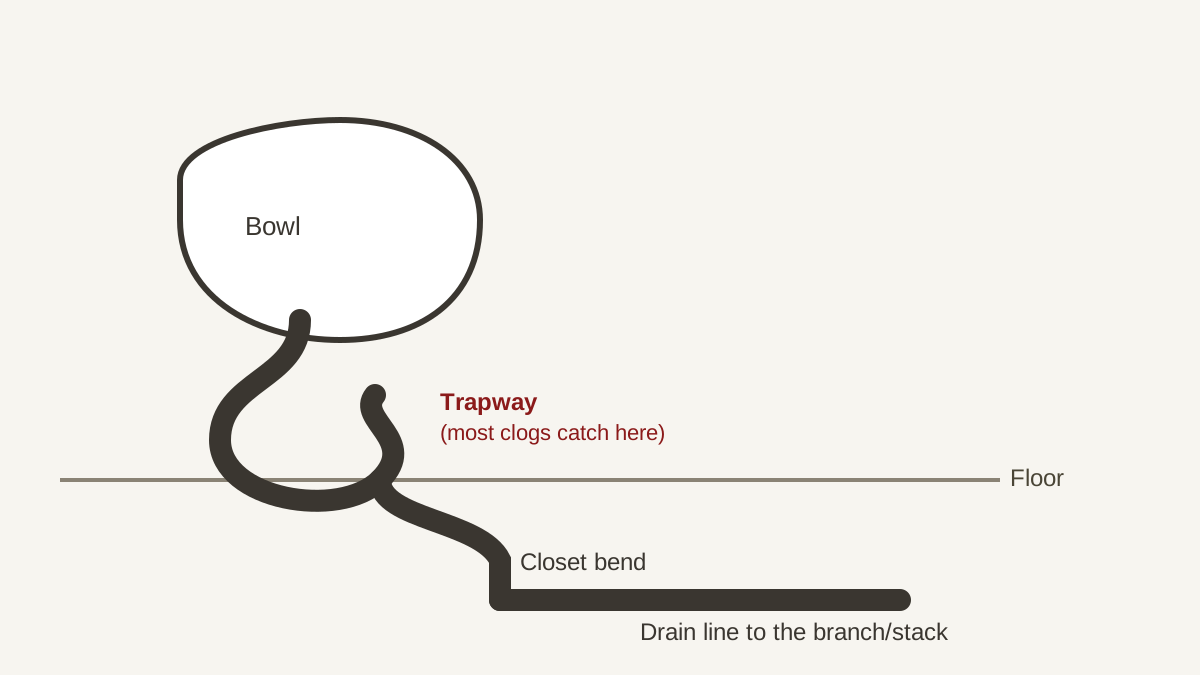
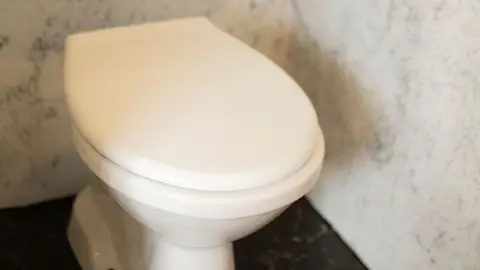
Every toilet has a built-in trap, an S-shaped curve inside the base called the trapway, that holds standing water and blocks sewer gas from entering the room. That curve is also the narrowest point in the whole fixture, and it's where most clogs form. Toilet paper, waste, and anything else you flush has to make it through that bend before it reaches the wider branch line behind the wall.
When people search toilet not flushing, they're usually describing one of two different problems that feel similar but need different fixes. A true clog means the trapway or the branch line just past it is physically blocked, so water rises when you flush and drains slowly or not at all. A weak flush means water and waste move, just without enough force to clear the bowl in one pass, which points toward a partially blocked rim, a worn flapper, or a low-flow design that was never particularly powerful to begin with.
The S-shaped trapway just past the bowl is where most toilet clogs form.
Why Toilets Clog in the First Place
Most clogged toilet repair calls trace back to a short list of causes, and they're not equally common. Here's the rough order, most likely first:
Too much paper or the wrong material in one flush. A thick wad of paper, a "flushable" wipe, or a paper towel doesn't break down the way toilet paper does, and it catches right at the trapway.
A weak or aging flush mechanism. Toilets with a smaller flush volume, or a flapper that closes too early, don't generate enough water force to carry waste past the bend, so partial clogs build up over several flushes instead of failing all at once.
Something that was never supposed to go in. A child's toy, a toothbrush, a sanitary product, or dental floss can wedge sideways in the trapway in a way paper never does, and it usually needs an auger or the toilet pulled to remove.
Mineral buildup in the rim jets. In hard water areas, scale narrows the small holes under the rim that push water into the bowl, so flushes weaken over months rather than stopping all at once.
A blockage farther down the line. Tree roots, grease, or a septic tank that needs pumping can back up every fixture in the house, not just the toilet, and no amount of plunging the bowl fixes that.
A toilet clogged with poop and paper, rather than a foreign object, usually clears on the first or second attempt with a flanged plunger or a toilet auger, because that combination breaks apart under steady pressure in a way a solid object won't.
Is It Clogged, or Is Something Else Wrong?
Before you grab any tool, spend two minutes figuring out what you're dealing with. The fix for a true clog is different from the fix for a weak flush, and both are different from a problem in the line behind the wall.
Look at the water level. If it rose most of the way to the rim and stopped, you likely have a true blockage. If it rose only slightly and drained slowly, you're probably looking at a partial clog or a weak flush.
Flush once, gently, and watch the other fixtures. Water backing up into the tub, shower drain, or a nearby sink means the problem sits downstream of the toilet, not inside it.
Check whether the tank fills and the flapper seals properly. If the bowl has almost no water in it before you even flush, the issue may be a supply problem rather than a clog.
If nothing looks obviously wrong but the flush has felt weak for weeks, suspect mineral buildup in the rim jets rather than a single blockage.
What you see
Likely cause
What to do next
Water rises, then slowly drains over a minute or two
Partial clog in the trapway
Plunge again; try hot water and dish soap
Water rises to the rim and stays there
Full blockage in the trap or branch line
Use a toilet auger
Tub, shower, or another sink backs up when you flush
Blockage in the main line, not the toilet
Stop flushing; call a plumber
Flush feels weak but rarely backs up completely
Worn flapper or mineral-clogged rim jets
Clean the rim jets; check the flapper seal
Almost no water sits in the bowl before flushing
Supply or fill-valve issue, not a clog
Check the shutoff valve and fill valve
DIY Fixes That Actually Work
If you're dealing with an overflowing toilet, shut off the water supply valve behind the base first, mop up any overflow, and only start plunging once the bowl has stopped rising. Otherwise, start with the least invasive option and work up. Most clogged toilet repair jobs end here, before an auger or a phone call is ever needed.
Use a flanged plunger, not a flat sink plunger. The extra flange seals against the drain opening instead of just the flat bowl surface, so every stroke actually pushes water instead of sloshing it around.
Submerge the head completely before you push. Air trapped in the cup wastes the force of each stroke. Push down slowly, then pull up sharply; the pull dislodges the clog about as often as the push does.
Give it eight to ten steady strokes, then check. If the water drops even partway, keep going. If nothing changes after two full rounds, move to hot water or the auger rather than plunging harder.
Try hot, not boiling, water with a squeeze of dish soap. Pour it from waist height so it hits with some force, let it sit ten minutes, then plunge again. The soap acts as a lubricant on paper and waste.
Baking soda and vinegar is a popular home remedy, and it can loosen light residue, but it rarely has the force to clear a solid clog on its own. Treat it as a helper before plunging, not a replacement for it.
Never pour a chemical drain cleaner into a toilet bowl that's already full or slow to drain, since the standing water can splash it back onto skin or eyes and it does very little to a solid clog anyway.
Work through each step before you call a plumber, unless another drain is already backing up.
When You Need a Toilet Auger (and How to Use One)
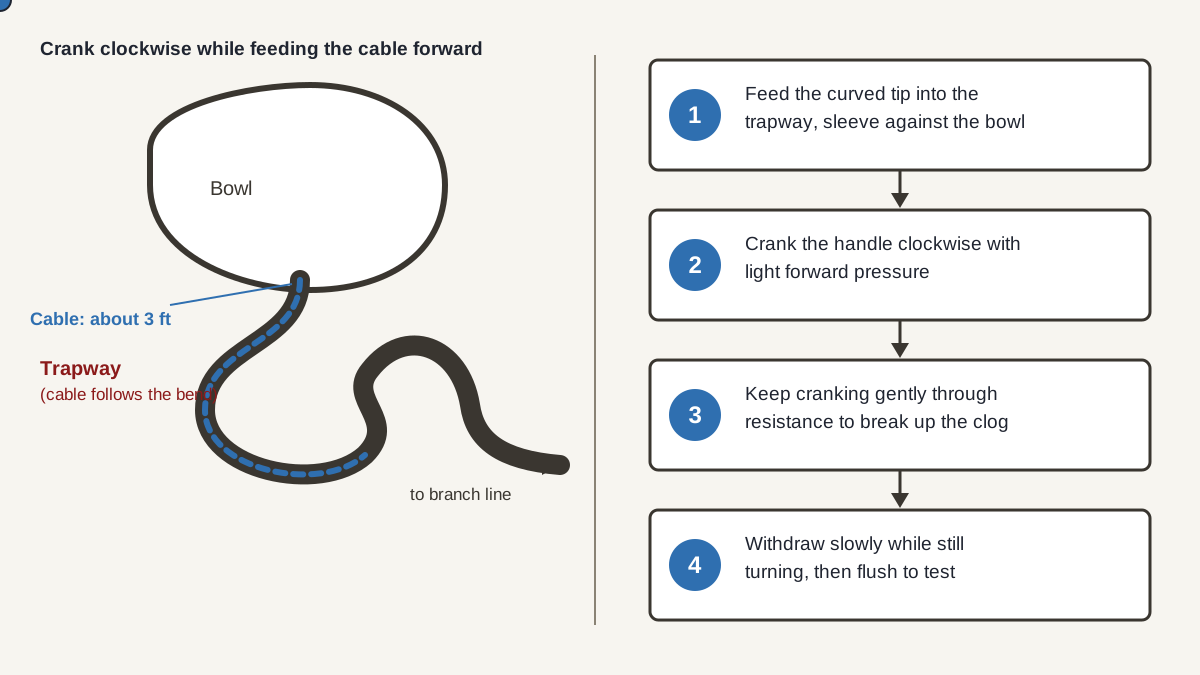
When plunging and hot water don't clear it, a toilet auger, also called a closet auger, is the next step up. It's built specifically for toilets: a protective sleeve around the cable keeps the metal from scratching porcelain, which a standard drain snake will do if you're not careful.
Feed the auger's curved tip into the trapway with the sleeve resting against the bowl.
Crank the handle clockwise while applying light forward pressure, letting the cable find its own path around the bend instead of forcing it.
When you feel resistance, keep cranking gently; you're usually breaking apart the clog or hooking it rather than pushing straight through.
Withdraw the cable slowly while still turning it, then flush to test. Repeat if the flush is still weak.
A toilet auger's cable is typically about 3 feet long, coiled inside that protective sleeve, and it reaches roughly the first few feet of the trapway and branch line, which covers most clogs. If the cable meets resistance far past where a typical clog would sit, or if it comes back clean while the toilet still won't drain, the blockage is likely farther down than a 3-foot cable can reach; the motorized cables plumbers use on main lines commonly run 25 feet or more, and it's worth reading our guide to clogged drain repair to see whether other fixtures share the same branch line.
The auger's curved tip follows the trap's own bend instead of being forced straight through it.
What It Costs to Unclog or Repair a Toilet
National cost surveys for clogged toilet repair mostly get folded into general drain-cleaning pricing, since the tools and labor overlap. Here's how the ranges break down by job type, with the source for each figure. These are researched ranges pulled from published pricing surveys, not a quote for your job, so the only number that actually binds the work is a written estimate from a plumber who's seen the toilet in person.
Job type
Typical range
What moves the price
Source
Clearing a single clogged toilet
$100 – $275
Whether it's a simple trap clog or needs a longer cable, plus local trip-charge minimums
HomeAdvisor, HomeGuide
Diagnostic or service-call fee only
$50 – $200+
After-hours timing, distance, and whether it's credited toward the repair
HomeGuide
Main line snaking (multiple fixtures backing up)
$175 – $600
Line length, number of cleanouts, and how far down the clog sits
HomeGuide
Hydro jetting a main line
$600 – $1,400
Root intrusion, grease buildup, pipe material and access points; residential jetting typically runs 3,000 to 4,000 psi
HomeGuide
Camera or video line inspection
$100 – $800
Whether it's bundled with a cleaning call or billed as a separate visit
HomeAdvisor, Fixr
National cost ranges by job type, from HomeAdvisor, HomeGuide and Fixr.
These are national ranges, and the real price varies by region, how easily the plumber can access the toilet and shutoff, and the extent of damage or corrosion found once the trap or line is actually open. If a quote lands well above the high end for what should be a single-toilet clear, ask what's driving it, a cracked wax ring, a toilet that needs to be pulled and reset, or an add-on charge, before you agree to the work. Our guide to choosing a plumber covers what a solid written estimate should include. For anything beyond a simple clog, especially a main-line job, get the scope in writing; you can reach a plumber who takes calls in your area at 888-854-0126 and describe exactly what's backing up so the estimate matches the actual problem.
When to Call a Plumber Right Away
Most clogged toilet repair situations never need a professional. These do.
Water backs up into the tub, shower, or another sink every time you flush, which points to a main-line blockage rather than a toilet problem.
The toilet has clogged more than once or twice in the same month with no clear cause, since repeat clogs in one spot often mean a partial blockage or a bellied line farther down.
You've already used an auger and the water level hasn't changed at all, which can mean the blockage sits past where the auger reaches.
Sewage has overflowed onto the floor. Stop touching it, put on gloves, and keep kids and pets out of the room; raw sewage carries bacteria and viruses that can make you sick through skin contact or inhaling aerosolized droplets, so treat cleanup as a health task and not just a mess. The CDC publishes guidance on cleaning up safely after sewage contact.
If the water is rising toward the rim on its own, or backing up somewhere else in the house, call 888-854-0126 and describe what's happening before you try another round of plunging; a plumber can often tell you over the phone whether it's safe to keep flushing at all. Before that plumber starts work, ask for a current license number and proof of liability insurance; most states let you verify an active license through the state's own licensing board lookup, and it's a fair question to ask even when the situation feels urgent. For a broader sense of which plumbing problems can wait until morning and which can't, see our guide on when you actually need an emergency plumber.
How to Stop It From Happening Again
Why does my toilet keep getting clogged is one of the most common questions we hear, and the honest answer is usually habit, hardware, or both.
Cut back on what goes in per flush. Splitting a heavy bathroom trip into two flushes uses less water overall than clearing a clog afterward.
Skip "flushable" wipes entirely. They don't break down in the trapway the way toilet paper does, no matter what the packaging claims.
Clean the rim jets a few times a year if you're on hard water, since mineral scale gradually narrows the rim jets, the holes that push water into the bowl, and a toilet keeps clogging over time simply because it's losing flush force.
Check the flapper and fill valve annually. A flapper that closes too soon cuts the flush short before it can carry waste all the way through the trapway.
Consider a newer toilet if yours is decades old. Every toilet made since 1994 is capped at 1.6 gallons per flush under federal law, and WaterSense-certified models use 1.28 gallons or less, so flush engineering has had three decades to improve; a fixture clogging repeatedly for years may simply be underpowered for how the household uses it.
Regional Notes: Septic Systems, Hard Water and Old Pipes
A handful of regional factors change how often toilets clog and what actually fixes it.
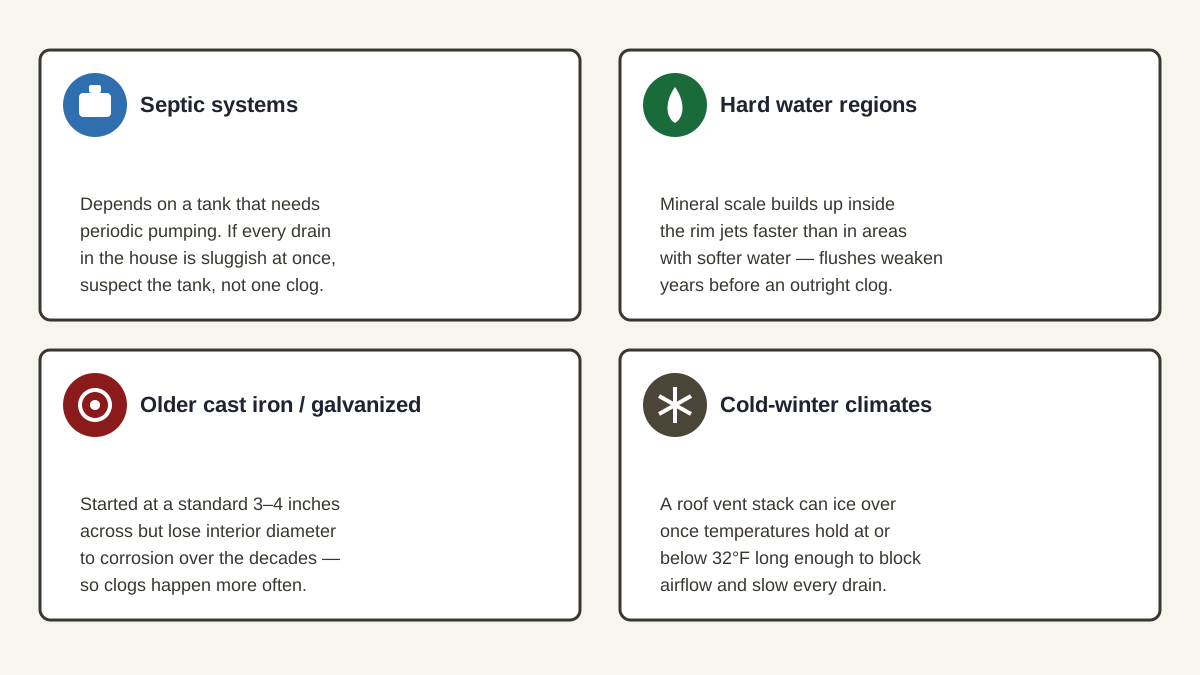
Homes on a septic system, common outside city sewer service, depend on a tank that needs periodic pumping. If every toilet and drain in the house is sluggish at the same time rather than just one fixture, that points to the tank or the drain field rather than a clog in one toilet, and it calls for a septic service visit, not a plunger.
In hard water regions of the Southwest and parts of the Midwest, mineral scale builds up inside the rim jets faster than in areas with softer water, which is why a toilet there can develop a weak, "toilet not flushing" complaint years before it develops an outright clog.
Homes with original cast iron or galvanized branch lines, common in houses built before the 1970s, started out at a standard 3 or 4 inches across and lose interior diameter to corrosion over the decades. The pipe still passes water, just less of it, so clogs happen more often even with normal use. A sewer line inspection can confirm whether that's the underlying issue rather than anything you're doing wrong.
In cold-winter climates, a roof vent stack can ice over once temperatures hold at or below 32°F long enough for condensation inside the pipe to freeze, and that can occasionally slow every drain in the house at once by blocking the air that lets water flow smoothly, a different problem from a clog but one that feels similar. See our guide on frozen pipe repair if drains across the house slow down together during a hard freeze.
Where you live changes which of these shows up first — from septic tanks to hard water to pipe age to hard freezes.
Frequently asked questions
How do I fix a clogged toilet?+
Start with a flanged plunger sealed over the drain hole and use slow, steady strokes instead of fast jabs, giving it eight to ten strokes before checking the water level. If that doesn't clear it, hot water with a little dish soap can loosen paper and waste, and a toilet auger reaches past the trap for anything the plunger can't budge.
What do you do if your toilet won't unclog?+
Move up in force rather than repeating the same step: a flanged plunger first, then hot water and dish soap, then a toilet auger if the water level still hasn't dropped. If it still won't clear, or other drains back up when you flush, stop and call a plumber, since the blockage may sit past where a homeowner can safely reach.
Is my toilet clogged or broken?+
It's a clog if the water rises and then drains slowly or not at all after a flush. It's more likely a mechanical problem, a fill valve, flapper, or supply issue, if the bowl has little water in it before you even flush, or the flush sounds weak but the water level never rises unusually high.
How much does it cost to fix a clogged toilet?+
Clearing a single clogged toilet typically runs $100 to $275, based on national drain-cleaning cost data from HomeAdvisor and HomeGuide. If the clog is actually in the main line and backing up multiple fixtures, expect a wider range, roughly $175 to $1,400, depending on whether the job needs snaking or hydro jetting.
Does a clogged toilet fix itself?+
Occasionally a partial clog softens and works its way through on its own, especially if it's mostly paper. It's not something to count on, though; a clog that hasn't cleared within a day usually needs a plunger or an auger, and leaving it risks a full backup on the next flush.
How much will a plumber charge to unblock a toilet?+
Beyond the cost of clearing the clog itself, many plumbers charge a separate diagnostic or service-call fee, roughly $50 to $200 or more depending on timing and distance, according to HomeGuide's pricing data. Ask upfront whether that fee gets credited toward the repair if you move forward with the same company.
Why does my toilet keep getting clogged?+
Repeat clogs usually mean a habit, too much paper per flush or flushing wipes, a weak flush mechanism, or mineral buildup narrowing the rim jets over time. If every fixture in the house is affected, not just one toilet, the cause is more likely a main-line or septic issue than anything about that specific toilet.
How do I fix a toilet clogged with toilet paper?+
Toilet paper clogs usually respond well to hot water and a little dish soap poured in from waist height, followed by ten minutes of soaking and then a flanged plunger. Paper breaks apart more easily than solid waste, so this combination clears the large majority of paper clogs without needing an auger.
What if the plunger doesn't work on a clogged toilet?+
Try hot water and dish soap first, then move to a toilet auger, which reaches farther into the trapway than a plunger can and won't scratch the porcelain. If the auger meets no resistance at all but the toilet still won't drain, the blockage is likely farther down the line, which points to a main-line problem rather than the toilet itself.
Why isn't my toilet flushing completely?+
An incomplete flush is usually a force problem, not a blockage: a worn flapper closing early, a low water level in the tank, or mineral scale narrowing the rim jets. If the bowl also rises higher than normal before draining slowly, treat it as a partial clog and start with a plunger rather than adjusting the tank.