Drain cleaning clears a blocked pipe with a cable auger (snaking), a high-pressure water jet (hydro jetting), or a chemical treatment for a fresh, minor clog. A single sink or toilet typically costs $110 to $275; a main sewer line runs $200 to $500 snaked, or $600 to $1,400 hydro jetted for heavy grease or roots.
Search "drain cleaning near me" while a sink is backing up and you'll get twenty ads before you get a straight answer on what the job should cost or which method actually fixes the problem. This guide skips the ads. Drain cleaning covers two very different jobs: clearing a single slow sink with a hand auger, and pushing a cable or a pressurized water jet through fifty feet of main sewer line choked with roots. The price difference between those two jobs is large, and so is the skill required, which is why "how much should this cost" has no single honest answer.
What follows is the real range, drawn from national cost-survey data, plus a plain description of what a plumber actually does when they show up with a machine instead of a bottle of gel cleaner. You'll find a comparison of snaking, rooter service and hydro jetting, a cost table broken out by job type, the point at which a DIY fix stops being safe, and the one line you should never cross with a chemical drain cleaner before a professional gets involved.
What Counts as Drain Cleaning, and What Doesn't
Drain cleaning is the general term for clearing a blockage out of a drain pipe so water flows the way it's supposed to again. That's a wide net. It covers a $15 bottle of gel poured down a slow bathroom sink, and it covers a two-hour job where a plumber feeds a cable through a cleanout in the yard because tree roots have laced through fifty feet of clay pipe, typically a 4-inch line on a single-family home. Three broad methods do almost all of the real work in the United States.
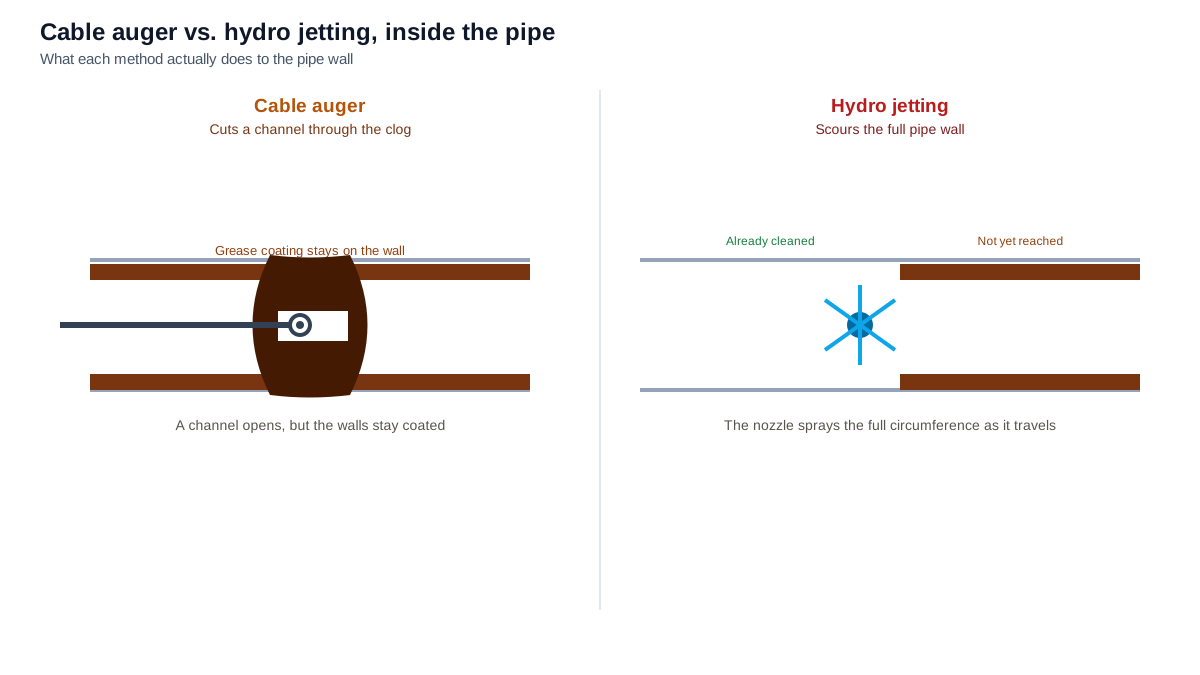
A cable auger, sometimes called a plumber's snake or a rooter machine, is a flexible steel cable with a cutting or corkscrew head on the end. A plumber feeds it into the pipe until it reaches the clog, then spins the head to break through or hook the blockage and pull it back out. This is what most people mean by rooter service, a name that stuck from an early drain-cleaning equipment brand and now gets used for any cable-based clearing job. Hydro jetting is a different tool entirely: a high-pressure hose, far beyond anything a garden hose or a pressure washer puts out, sends a stream of water through a nozzle that scours the full diameter of the pipe wall, not just a channel through the middle of the clog. Chemical drain cleaners are the third option, and the one homeowners reach for first, even though they're the least reliable of the three for anything beyond a fresh, minor clog.
The method that fits a given situation depends on where the clog sits, what's causing it, and how the pipe is holding up. A single slow bathroom sink usually needs nothing more than a hand auger. A kitchen line coated in years of grease, or a main sewer line with root intrusion, needs equipment a homeowner doesn't own and usually shouldn't try to rent.
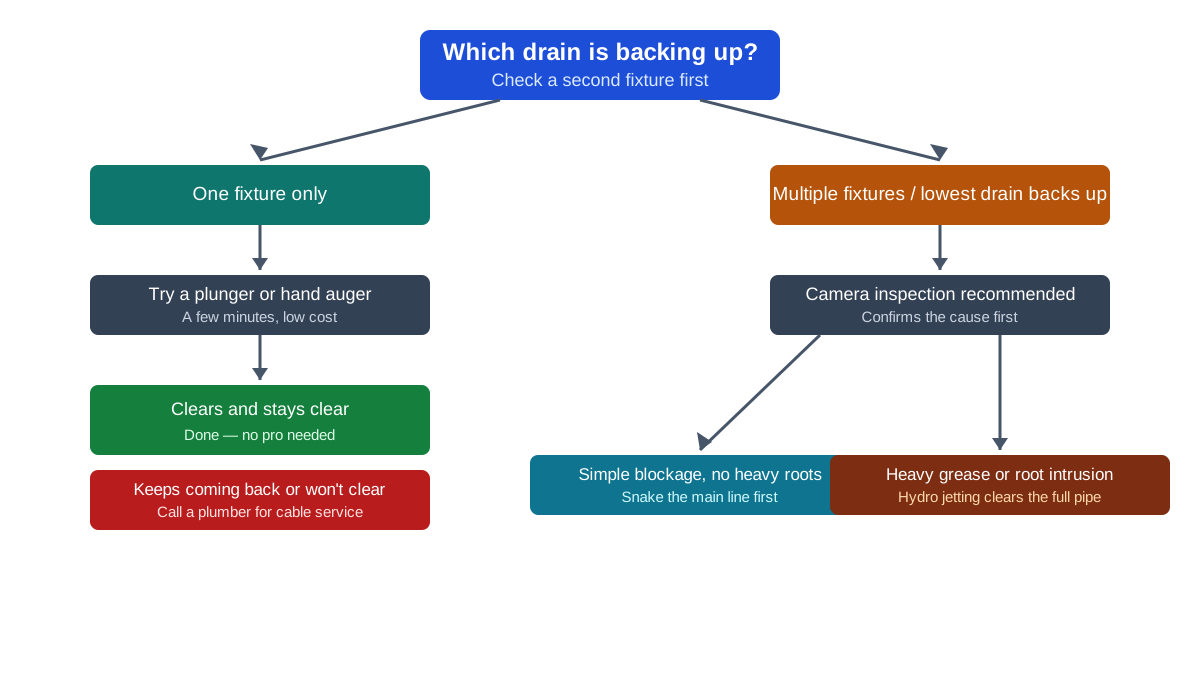
One fixture usually means a plunger or auger; several fixtures or a backing-up floor drain point to the main line and a camera inspection first.
Why Drains Clog in the First Place
Every clog has a specific cause, and knowing which one is at work changes both the fix and the price. Ranked roughly by how often plumbers actually find them:
Grease, soap and food residue — the top cause in kitchen lines. Grease goes down warm and liquid, then cools and hardens against the pipe wall, narrowing the channel a little more with every load of dishes.
Hair and soap scum — the bathroom equivalent, especially in tub and shower drains, where hair tangles with soap film into a rope that catches everything behind it.
Foreign objects — toys, cotton swabs, dental floss and "flushable" wipes that mostly aren't. Toilets clog on objects far more often than on paper.
Appliance-caused buildup — a garbage disposal that grinds food too fine to clear the trap, or a washing machine standpipe that fills with lint over years of loads.
Tree roots — mainly a main-line issue in homes with clay, cast iron or older PVC sewer laterals. Roots find hairline cracks or joints and grow toward the moisture and nutrients inside the pipe.
Pipe scale and sagged sections — mineral buildup in old metal drain lines, or a length of pipe that has settled over decades into what plumbers call a belly, a low spot that holds standing water and debris instead of draining flat. Drain pipe is supposed to hold a steady fall of roughly 1/4 inch per foot; a sagged section that loses that slope collects debris again almost as fast as a plumber can clear it.
Most single-fixture clogs come from the first three causes and clear with an auger in under an hour. The last three usually point toward a main-line problem, which is where cost and complexity both jump.
How to Tell a Simple Clog From a Bigger Problem
Before calling anyone, a few minutes of observation reveals most of what a plumber would ask on the phone anyway.
Run water in the affected fixture and watch how it drains: slow and gurgling, or fully stopped.
Run water in a second fixture, ideally one on a different wall or floor. If it backs up too, or water rises in a low fixture like a basement floor drain when you flush a toilet upstairs, the problem sits downstream of both, in the branch or main line.
Check whether the clog is tied to specific use, like the kitchen sink backing up only after the dishwasher runs, which points to a shared drain line.
Look outside for a sewer cleanout, usually a capped pipe near the foundation, and remove the cap carefully. If waste sits at or near the cap, the blockage is between the house and the street.
Note the timing. A clog that shows up only after heavy rain often means groundwater is entering a cracked line, or a municipal line is backing up under load.
Note the age and material of the plumbing, if known. Homes built before the 1970s are far more likely to run cast iron or clay drain lines, which corrode, crack and invite root intrusion in ways modern PVC doesn't.
One more check worth knowing: a trap holds a seal of standing water — 2 to 4 inches under plumbing code — that blocks sewer gas from coming back up the drain. That seal evaporates fastest in a fixture that sits unused for weeks, which is why a guest bathroom can suddenly smell like sewage with nothing actually clogged.
Snaking, Rooter Service and Hydro Jetting: What Each One Actually Does
These three approaches solve overlapping but different problems, and a good plumber tells you which one a job calls for before starting, not after.
A cable auger is fast, less expensive than the alternative, and right for the majority of single-fixture clogs and moderate main-line blockages. It punches a channel through the clog and often pulls debris back out with it, but it doesn't scrub the pipe wall clean, so buildup can return in months rather than years. Hydro jetting costs more because both the equipment and the labor cost more, but it clears the full diameter of the pipe, strips grease down to bare pipe wall, and cuts through root intrusion more thoroughly than a cable head. It's the better choice for recurring kitchen-line clogs, heavy grease, and root-choked main lines, though a plumber should confirm the pipe can handle the pressure first, since older or already-compromised clay and Orangeburg pipe — a tar-paper-based material common in mid-century construction — can be damaged by an aggressive jet.
Method
Best for
Typical professional cost
Main limitation
Plunger or hand auger (DIY)
A single slow-draining sink, tub or toilet, fresh clog
No pro fee if you own the tool
Reaches a few feet at most; won't touch roots or a main-line blockage
Cable auger / rooter service
Single fixture or branch line clogs; grease, hair, moderate roots
$100 – $500 depending on the fixture and access
Cuts a channel through the clog rather than scouring the pipe wall
Hydro jetting
Grease-lined kitchen lines, heavy root intrusion, recurring main-line clogs
$300 – $1,400 depending on line length and severity
Needs professional equipment; not ideal for fragile or already-cracked pipe
Camera inspection
Diagnosing the cause before paying for a method, or verifying the line afterward
$100 – $900, often bundled with a cleaning
Diagnostic only — it locates the problem but doesn't clear it
Chemical drain cleaners sit outside this table on purpose. They can work on a fresh, minor clog close to the drain opening, but they do nothing for a main-line blockage, and repeated use damages older metal and even some plastic pipe over time.
A cable auger opens a channel through the blockage; hydro jetting's nozzle strips grease from the entire pipe wall as it travels the line.
What You Can Try Yourself Before Calling a Plumber
A fair number of single-fixture clogs really are a homeowner job. Here's a realistic read on what's worth trying, and what isn't.
Start with a plunger, using a flat-bottom sink plunger rather than the flanged toilet version for sinks and tubs, and make sure enough standing water is present to form a seal. A few firm plunges clear a surprising share of fresh clogs. If that fails, a plastic zip-style drain tool or a short hand auger — a handheld model typically carries about 25 feet of cable — fed a few feet in and twisted, will often hook hair or soft debris. Boiling water, which runs about 212°F at sea level, poured in stages and letting the pipe cool between pours, can soften light grease in a kitchen line. Baking soda and vinegar produces a fizzing reaction that some homeowners swear by, but the reaction itself doesn't dissolve much; any improvement usually comes from the hot water flush that follows it, not the chemistry.
Task
Homeowner can usually do it
Tool needed
Stop and call a plumber if
Slow bathroom or kitchen sink
Yes
Plunger, hand auger
It doesn't clear after two attempts
Clogged toilet
Yes
Flanged plunger, closet auger
Water rises toward the rim or won't recede at all
Tub or shower drain
Usually
Zip-style tool, hand auger
Hair keeps returning within weeks
Main sewer line backup
No
—
Any sign of a main-line clog, immediately
Here's where DIY should stop for good. If you've already poured a chemical drain cleaner into the line, tell the plumber before they open the trap or feed in a cable — leftover chemical can splash back and cause a serious skin or eye burn. That single fact changes how a professional approaches the job, and it's worth the awkward admission. For a deeper walkthrough of fixture-specific technique, see our guide to clogged drain repair for kitchen, bathroom and shower fixtures.
What Drain Cleaning Costs in 2026
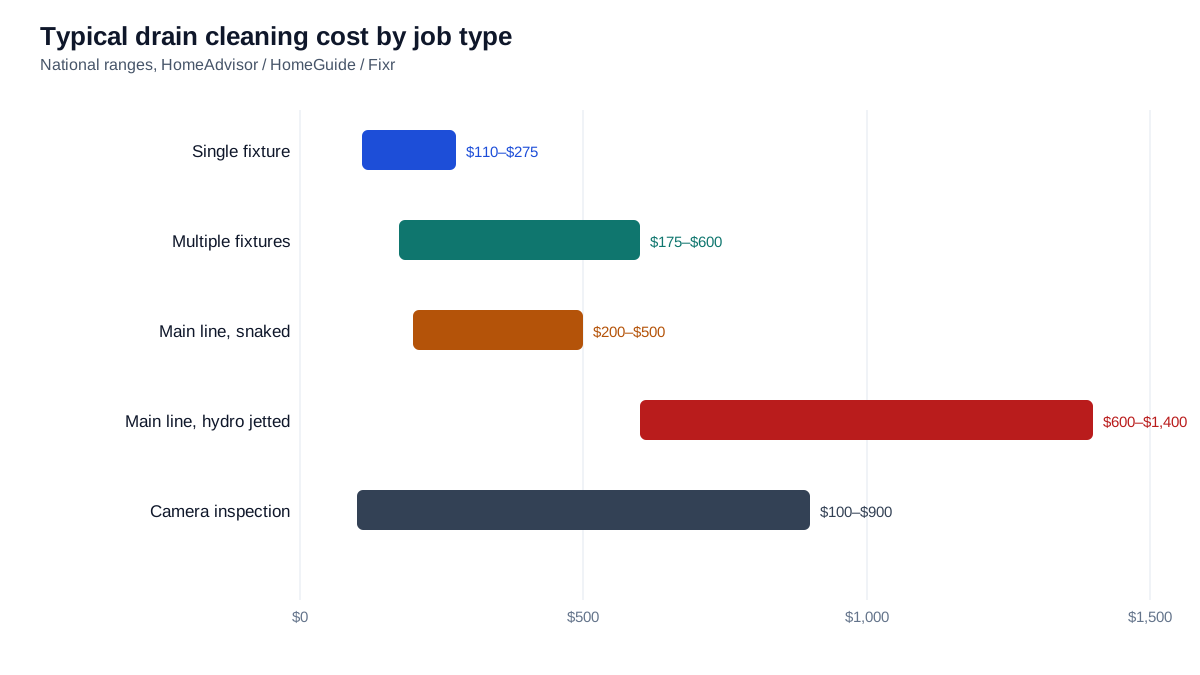
National cost-survey data puts most single-visit drain cleaning jobs between $100 and $800, according to HomeGuide's national pricing data, with HomeAdvisor pegging the average completed job at $246 and a typical range of $147 to $352. Where a given job falls in that range depends mainly on which fixture is affected, whether it's a single trap or the main line, and which method the job actually needs. The final number also varies by region, how easily the plumber can access the line, and how much damage turns up once the pipe is actually open — none of which a phone estimate can account for.
Job type
Typical range
What moves the price
Source
Kitchen sink
$110 – $215
Disposal removal, trap accessibility
HomeAdvisor
Toilet
$110 – $275
Auger length needed, whether the toilet must be pulled
HomeAdvisor
Tub or shower
Around $225
Hair and soap buildup, trap access
HomeAdvisor
Multiple fixtures / whole house
$175 – $600
Number of fixtures, pipe material, root growth
HomeGuide
Main line, snaked
$200 – $500
Line length, number of bends, cleanout access
HomeGuide, Fixr
Main line, hydro jetted
$600 – $1,400
Grease severity, root density, pipe age
HomeGuide
Camera inspection
$100 – $900
Whether it's bundled with cleaning, line length
HomeAdvisor, Fixr
AC condensate drain line
$75 – $250
Access panel location, algae buildup
HomeGuide
How we got these numbers: the ranges above come from national cost-survey aggregators that track completed jobs across the country, not one company's price list, so they reflect real spread rather than a single contractor's rate card — read them as a guide, not a quote for your specific job. Fixr's data separately puts a main sewer line clog at a national average of $475, typical range $350 to $650, which lines up with the snake-versus-jet split above once you account for which method a given job needed. None of these sources publish a regional cost-of-living index, so treat every figure here as a researched range, not a binding price, and get a written estimate from a local contractor before committing to any job described as sewer and drain cleaning cost or basement drain cleaning cost — a job in a high-labor-cost market can run above the top of these ranges, and a simple single-fixture clog in a lower-cost market can land under the bottom.
Typical professional cost ranges by job type, from HomeAdvisor, HomeGuide and Fixr national cost-survey data.
When to Call a Plumber (and How to Pick One)
Signs you need a professional now
Call rather than keep experimenting once any of these show up: water backing up in more than one fixture at the same time, sewage odor with no visible source, water rising in a floor drain or the lowest fixture in the house when you run water elsewhere, or a clog that returns within days of clearing it yourself. Any of those points to a main-line problem that a hand auger won't fix and that gets worse, not better, with more DIY attempts. If sewage is actively coming up through a drain, treat it as an emergency drain cleaning situation: stop using water in the house, keep people and pets away from it, and call 888-854-0126 to describe what you're seeing and get connected with a plumber that serves your area.
What separates a good drain-cleaning job from a bad one
A good plumber diagnoses before clearing. That means asking what fixtures are affected and how long it's been going on, and for a recurring or main-line issue, recommending a camera inspection either before or after the cleaning so both of you know what caused it and whether it's actually gone. A rushed job that just runs a cable until water flows again, with no explanation of the root cause, tends to be the one you're paying for again in eight months. Ask for the method a plumber plans to use and why, a flat rate or clear hourly estimate before work starts, and proof of license and insurance — most states let you verify an active contractor license through the state licensing board's own website, and a legitimate plumber will show you a current certificate of liability insurance without being asked twice. For emergency-level backups specifically, our guide on when you actually need an emergency plumber walks through which situations justify an after-hours call and which can safely wait for regular business hours. When you're ready to hire, you can reach a plumber that serves your area at 888-854-0126, or use our fuller breakdown in how to choose a licensed plumber for the full list of questions to ask before signing anything.
Is Drain Cleaning Covered by Insurance?
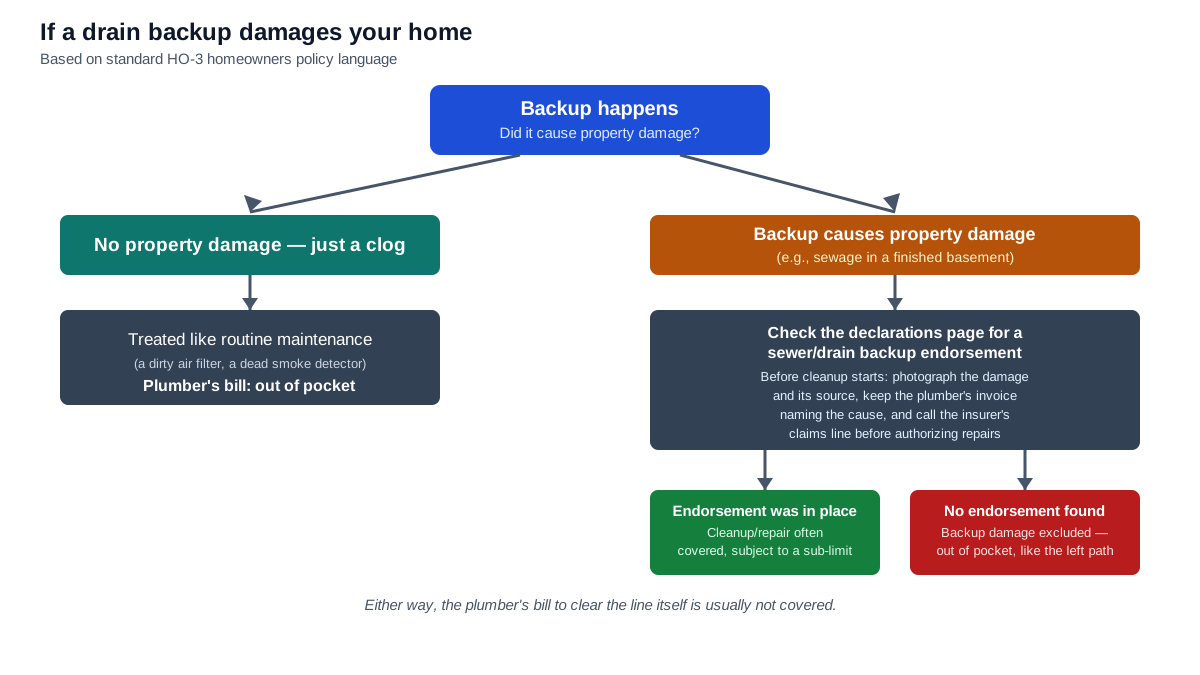
Usually not, and here's the reasoning insurers use. A standard HO-3 homeowners policy treats routine drain maintenance the way it treats a dirty air filter or a dead smoke-detector battery: it's on the homeowner to maintain, not damage the policy compensates for. Clearing a slow kitchen sink or an occasional main-line backup counts as maintenance, and the cost in the table above generally comes out of pocket.
Where coverage can kick in is the damage a backup causes, not the cleaning itself. If a clogged main line pushes sewage back into a finished basement, the standard HO-3 form typically excludes water or sewage that backs up through a sewer or drain, unless you've purchased a separate sewer and drain backupendorsement, which many carriers sell as a low-cost add-on. With that endorsement in place, the cleanup and repair of the resulting damage is often covered, subject to its own sub-limit, even though the plumber's bill to clear the line usually still isn't. Check the declarations page for a backup or water-damage endorsement by name, since the base policy language alone won't tell you whether you have it.
If a backup event happens, photograph the damage and the source before cleanup starts, keep the plumber's invoice describing what caused the clog (roots, a collapsed section, a municipal issue), and call the insurer's claims line before authorizing repair work beyond emergency mitigation. A camera inspection report documenting root intrusion or a broken pipe section, rather than just "the line was clogged," gives an adjuster something concrete to evaluate, and can matter if the cause turns out to be a municipal line issue outside your responsibility altogether.
Routine drain maintenance is out of pocket under a standard HO-3 policy; damage a backup causes may be covered if you carry a sewer and drain backup endorsement.
How Often You Should Clean Drains, and How to Prevent Clogs
There's no fixed calendar rule for how often should you clean drains, because it depends entirely on what's going down them. A kitchen sink behind a household that cooks with a lot of oil needs more frequent attention than a guest bathroom that sees light use. As a practical baseline, most homes do well with a light kitchen-line flush monthly, a full main-line camera check every couple of years in an older home with known root activity, and immediate attention any time a drain starts running slower than it used to, rather than waiting for a full stop.
Prevention beats cleaning every time, because it's cheaper and it doesn't involve standing water on the floor. In the kitchen, that means scraping grease into the trash instead of rinsing it down, running the disposal with cold water rather than hot, since cold keeps grease solid so it grinds and flushes instead of coating the pipe, and using a sink strainer to catch food scraps. In bathrooms, a cheap mesh drain cover catches hair before it reaches the trap, and it's the single easiest fix on this list. For main lines in older homes, a periodic camera inspection catches root intrusion or a developing belly in the pipe years before it turns into a backed-up basement, and it costs far less than an emergency call after the fact. Our seasonal plumbing maintenance checklist lays out a fuller schedule for drains alongside the rest of the house.
Regional Notes: Freeze Belt, Slab Homes and Older Sewer Lines
Drain and sewer problems aren't identical everywhere, and the regional pattern is worth knowing before assuming a clog is a one-off.
In freeze-belt states, the risk usually isn't the drain line itself, since buried sewer lines sit below the frost line, but the vent stack running up through the roof — typically a 2-inch pipe that plumbing code requires to clear the roofline by at least 6 inches. A vent that ices over in a hard freeze can stop a drain from venting properly, which shows up as slow draining or gurgling that looks exactly like a clog but is actually a frozen vent needing a different fix entirely. In the Sun Belt and across much of the South, slab-on-grade construction from the mid-20th century commonly used clay or cast iron drain lines poured directly under the concrete slab, which means root intrusion or a cracked joint isn't a simple dig-and-replace, it can mean cutting into a finished floor. Trenchless repair options exist for exactly this situation, covered in more depth in our sewer line repair guide.
Coastal and hurricane-prone areas add another factor: heavy, sustained rain events can saturate the ground around an aging sewer lateral and push groundwater in through cracked joints faster than the line can carry it away, which is why clogs in those regions cluster right after major storms rather than spreading evenly through the year. Nationwide, the single biggest regional variable is simply how old the housing stock is. A neighborhood built before 1970 is far more likely to still run on cast iron or clay laterals nearing or past their design life, and those are the pipes that hydro jetting and root-cutting keep busy, year after year, regardless of what part of the country they're in.
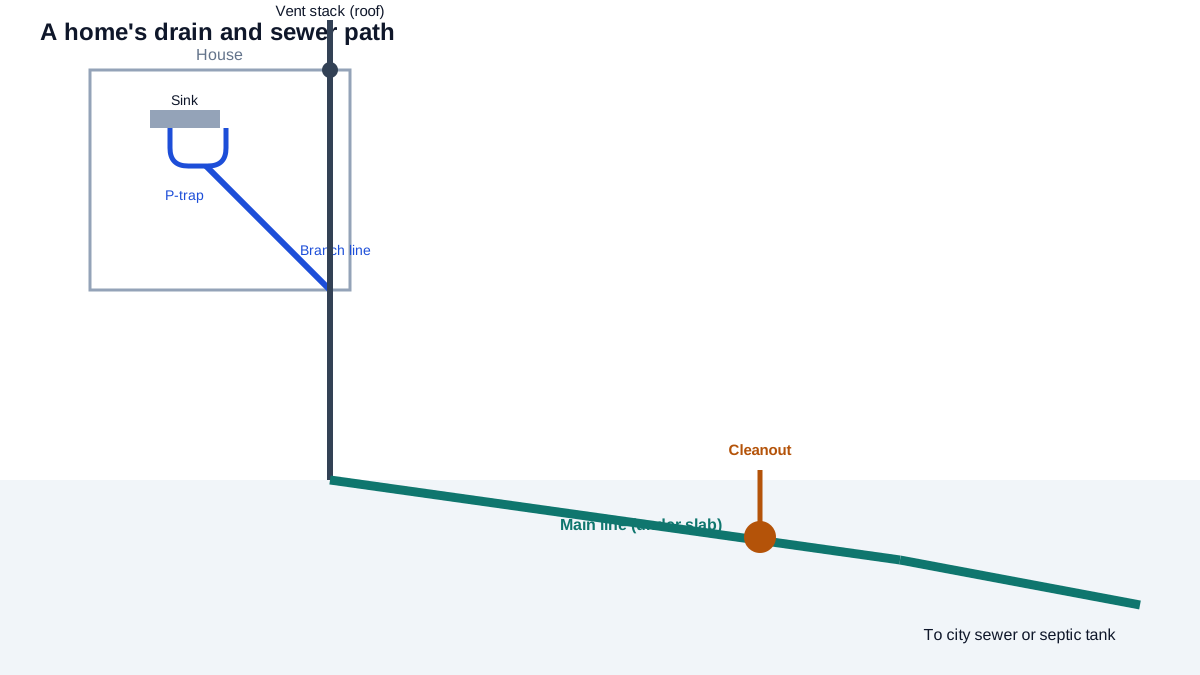
How a fixture drain connects to the main line: trap, vent stack, branch line, cleanout, and on to the city sewer or septic tank.
Frequently asked questions
How much does drain cleaning cost?+
Most single-visit drain cleaning jobs cost $100 to $800, with HomeAdvisor putting the national average around $246. A kitchen sink or toilet typically runs $110 to $275, while a main sewer line runs $200 to $500 if it can be snaked, or $600 to $1,400 if it needs hydro jetting. The exact number depends on which fixture is affected, how the plumber accesses the line, and whether a camera inspection is needed first.
Is drain cleaning covered by insurance?+
Routine drain cleaning is treated as homeowner maintenance and typically isn't covered by a standard HO-3 policy. What can be covered, if a sewer and drain backup endorsement has been purchased, is the damage a backup causes inside the home, not the plumber's bill to clear the line itself. Check the policy's declarations page for that specific endorsement, since it's usually an optional add-on rather than part of the base policy.
How often should you clean drains?+
There's no fixed schedule, since it depends on what goes down each drain and how the household uses it. A kitchen line used heavily for cooking benefits from a monthly flush and grease-avoidance habits, while a lightly used bathroom sink may go years without needing anything beyond an occasional plunge. Older homes with known root activity in the main line do well with a camera inspection every couple of years rather than waiting for a backup.
What drain cleaner is safe for septic systems?+
Enzyme and bacteria-based drain treatments are generally considered gentler on a septic system than caustic or acidic chemical drain cleaners, which can kill the bacterial colony a septic tank depends on to break down waste. Mechanical clearing with an auger, or hydro jetting from a plumber familiar with septic systems, avoids the chemistry question entirely and is the safer default for a home on septic with a recurring clog.
Why is drain cleaner bad for pipes?+
Most liquid drain cleaners work through a caustic or acidic reaction that generates heat as it dissolves the clog, and that heat can soften or warp older plastic pipe and corrode metal pipe with repeated use. If the clog doesn't fully clear, the chemical can sit against the pipe wall for hours, which is worse for the pipe than a single treatment, and it's also the reason a plumber needs to know before opening a trap that's already been treated.
What causes a drain to clog?+
Most clogs come down to grease and food residue in kitchen lines, hair and soap scum in bathroom lines, or objects that shouldn't have been flushed in toilets. Main sewer lines clog for different reasons, mainly tree roots finding their way into cracked or jointed clay and cast iron pipe, along with pipe scale and sagging sections in older plumbing. The fixture and the pattern of use usually point straight at the likely cause.
Can I clean a drain myself with baking soda and vinegar?+
You can try it, but temper expectations: the fizzing reaction between the two doesn't dissolve much of a real clog, and most of the improvement people see comes from the hot water flush that follows, not the chemistry itself. It's a reasonable first step for a fresh, minor clog, but if the drain is still slow afterward, move to a hand auger or plunger rather than repeating the treatment.
What is a cleanout, and do I have one?+
A cleanout is a capped access pipe, usually near the foundation outside or in a basement or garage, that lets a plumber feed a cable directly into the main sewer line without pulling a toilet or opening a wall. Most homes built from the mid-20th century onward have one, though older homes sometimes don't, or have one that's been buried or paved over. Finding it before an emergency saves real time later.
What causes an AC drain line to clog?+
Algae and mold growth inside the condensate line is the usual cause, since the line stays damp and dark, which is exactly what algae needs to thrive. Dust and debris drawn in through the return air add to the buildup over time. A wet-vac at the drain line's exterior termination, or a specialty AC drain cleaning service, typically clears it, and periodic flushing with a mild solution during cooling season helps prevent it from recurring.
Is a rooter service the same thing as a plumber?+
Not exactly. Rooter service refers to a specific method, cable-based drain and sewer clearing, that most plumbers offer, but it's also used as a business name by some companies that specialize mainly in that service. A licensed plumber can typically handle rooter service along with everything else, from fixture repair to full sewer line replacement, so hiring a full-service licensed plumber generally gives more options than a rooter-only outfit if the job turns out to be bigger than a simple clog.