Call an emergency plumber right away for water or sewage actively spreading, a burst pipe, no water anywhere in the house, or a gas smell near plumbing. A running toilet, a slow drain, low pressure at one fixture, or a water heater simply out of hot water can almost always wait for a same day plumber during business hours instead, at a lower cost.
It's 11 p.m. and water is spreading across the kitchen floor from under the sink. Or the only toilet in the house won't stop running. Or the water heater quietly stopped making hot water sometime this week and you only just noticed. All three feel urgent in the moment. Only one of them actually needs an emergency plumber tonight.
This guide sorts real plumbing problems into two piles: the kind that justify an after hours plumber and a higher bill, and the kind that can wait for a same day plumber during regular hours for a fraction of the cost. It covers what typically drives the price on the emergency plumbing repair that follows the call, what a standard homeowners policy tends to cover, and how to pick a plumber before you're standing in an inch of water trying to search for one on your phone.
What Actually Counts as a Plumbing Emergency
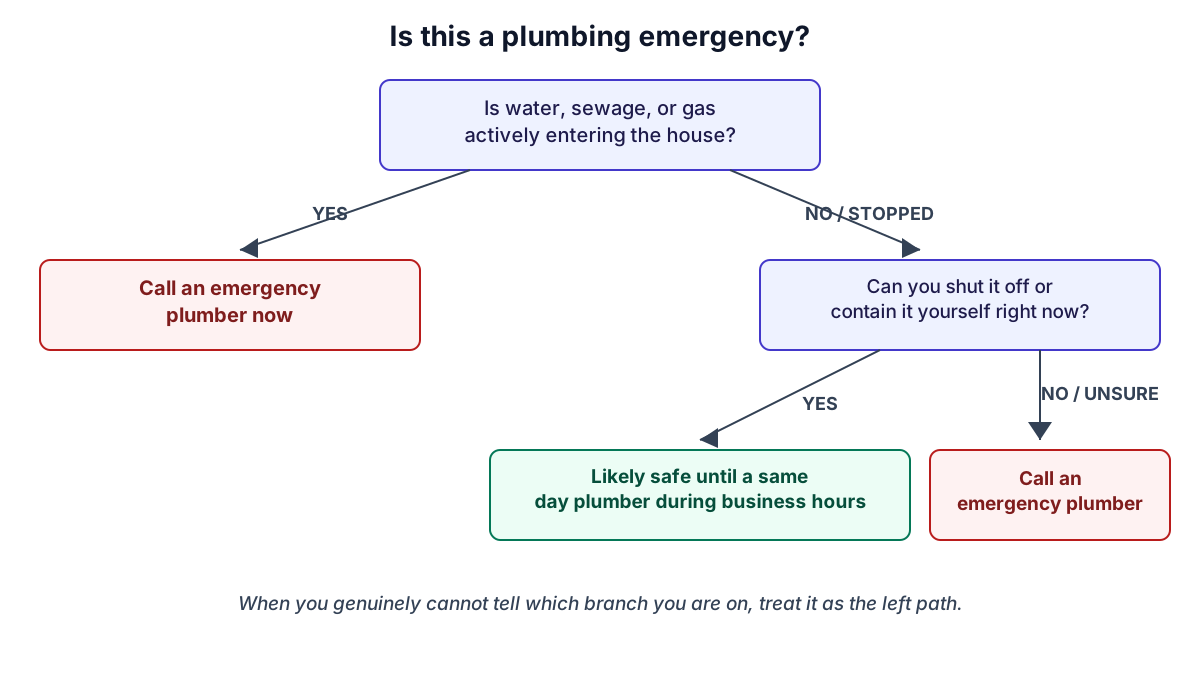
A genuine plumbing emergency is any situation where water, sewage, or gas is actively getting into your house and won't stop on its own until something gets shut off or repaired. That's a narrower category than most people assume at midnight. A slow drip under the bathroom sink is a problem. A supply line that's sprayed water across the cabinet for the last twenty minutes is an emergency.
Here's the split that actually matters when you're deciding whether to call an emergency plumber or wait until morning:
Water actively spraying, running, or pooling somewhere it shouldn't
Sewage backing up into a tub, shower, or floor drain
No water at all, anywhere in the house
A gas odor anywhere near a water heater, furnace, or gas line
A pipe that's burst inside a wall, ceiling, or slab
And here's what usually isn't, even though it feels urgent: a toilet that runs but doesn't overflow, a bathroom sink that drains slowly, low pressure at one shower head (normal residential static pressure runs 40–80 psi, and most plumbing codes require a pressure-reducing valve once it climbs above 80 psi, so one weak fixture is rarely a system-wide problem), a faucet with a steady drip, or a water heater that's out of hot water with no visible leak. Every one of those is a same day plumber job, not a 2 a.m. call.
The Plumbing Emergencies People Actually Call About, Ranked by Urgency
Not every emergency is equally urgent, and the order below reflects how fast each one tends to get worse if it's left alone.
Burst or spraying supply line
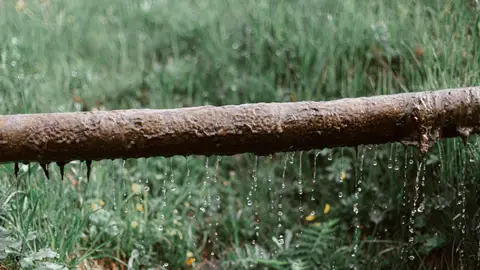
A supply line under a sink or behind a washing machine can fail without warning, and it's the fastest-moving problem on this list, since it's under constant pressure and doesn't stop until you shut the water off. Think of a slab leak under a 1970s ranch house, or a braided steel line to a washing machine that finally gives out after fifteen years. This one moves to the front of the line.
Sewage backup
Water or waste coming back up through a floor drain, tub, or the lowest toilet in the house usually means a blockage in the main sewer line, and it's a health issue as much as a plumbing one. Restoration standards from the IICRC classify this as Category 3, grossly contaminated water, which means it isn't a cleanup you handle with a mop and a good attitude.
No hot water or no water at all
A dead water heater with no leak is inconvenient but rarely dangerous, so it's a same day plumber situation. A total loss of water pressure to the entire house, on the other hand, can point to a main line break and deserves a same-night look, especially if you also hear running water somewhere you can't see.
Frozen pipe about to split
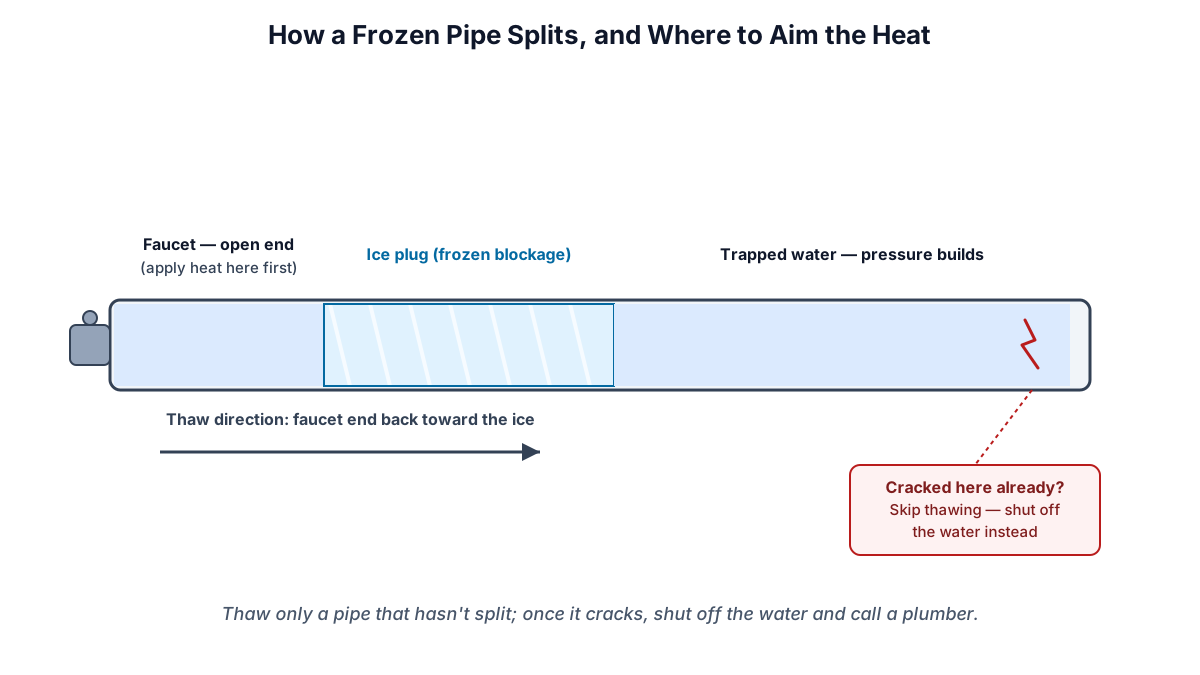
A pipe that's frozen but hasn't burst yet is a race against time rather than an active emergency: once the water inside sits below 32°F long enough to freeze solid, it expands by roughly 9% in volume, and that expansion is what eventually splits the pipe wall, not the cold by itself. Once it splits, it becomes one of the fastest-moving problems there is, because the ice plug that was blocking the water gives way all at once.
Thaw a frozen pipe from the faucet end back toward the blockage — never past a section that's already cracked.
How to Tell Fast: What to Do Before You Dial
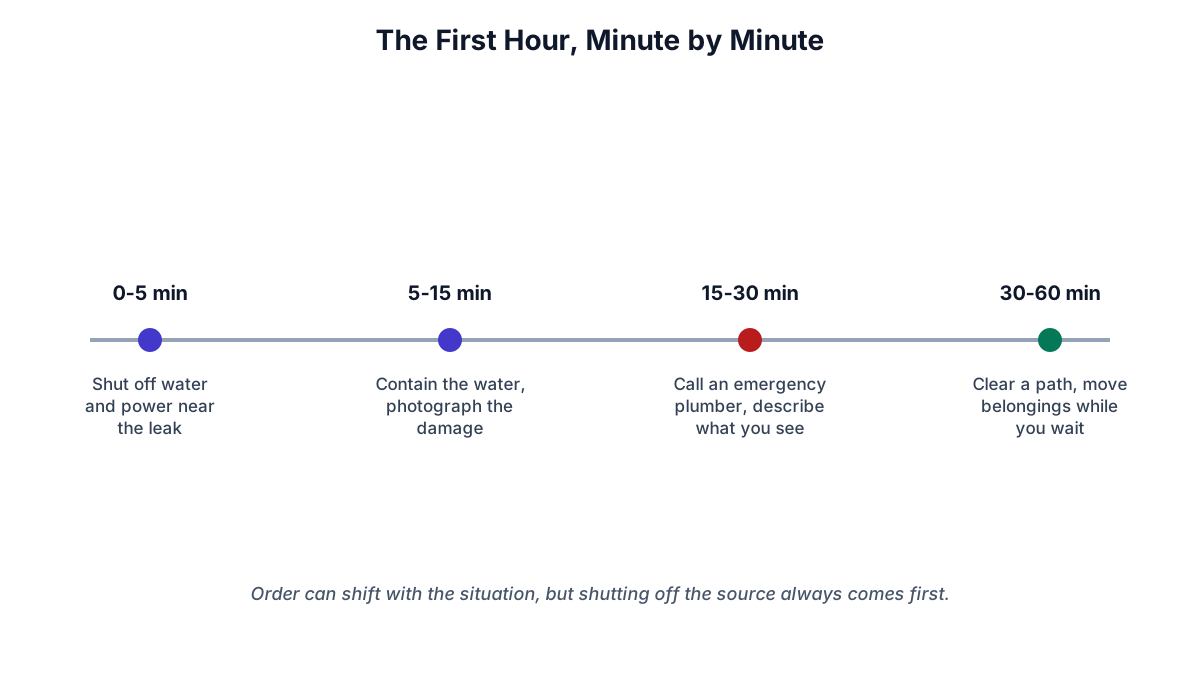
If you smell gas anywhere near a water heater, furnace, or gas line, leave the house immediately, call the gas utility's emergency line from outside, and only call a plumber after that. For every other plumbing emergency, the first five minutes matter more than the next five hours, and they follow the same order almost every time.
The first hour, minute by minute: shut it off, contain it, document it, then call.
Shut off the water at the fixture if you can reach the valve, or at the main shutoff if you can't isolate the leak
Cut power to the affected area at the breaker if outlets or a panel are anywhere near the water
Contain what you can with towels, buckets, or a wet-dry vacuum so it doesn't spread to a finished floor or a ceiling below
Photograph the damage before you start cleaning, since your insurer will likely ask for it
Call — you can reach an emergency plumber that serves your area at 888-854-0126 and describe exactly what you're seeing so they can bring the right parts on the first trip
That fifth step is where a lot of people freeze up, unsure whether their situation is "bad enough" to justify calling a 24 hour plumber. If water, sewage, or gas is actively moving into your home right now, it's bad enough. If it's stopped and contained, you have more room to decide.
What You Can Safely Do Before the Plumber Shows Up (and What to Leave Alone)
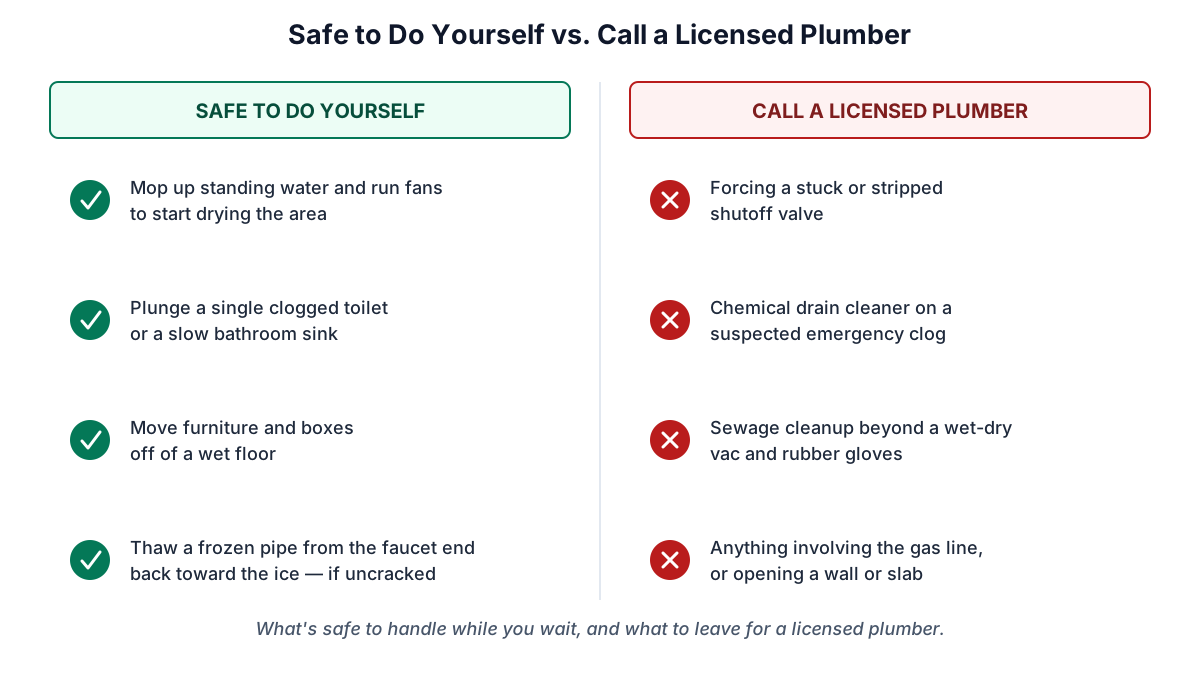
Once the water's off, there's real, useful work a homeowner can do without a license. Mop up standing water, run fans to start drying the area, and move furniture or boxes off a wet floor. If a fixture's shutoff valve is stuck or missing, don't force it with pliers; that's how a small leak turns into a broken valve and a bigger one.
A plunger is fair game for a single clogged toilet or a slow sink. Chemical drain cleaner is not, especially if you already suspect a plumbing emergency: it can make the pipe caustic and dangerous for the plumber to work on once they arrive, and it does nothing for a clog further down the main line. A frozen pipe that hasn't split can sometimes be thawed carefully with a hair dryer or warm towels, worked from the faucet end back toward the blockage; if you can see the pipe has already cracked, skip the thawing and shut the water off instead. Our pipe burst under the sink guide and frozen pipe repair guide walk through both scenarios step by step.
What to leave alone entirely: sewage cleanup past what a wet-dry vac and rubber gloves can handle, anything involving the gas line, and any repair that requires opening a wall or a slab. Keep a short plumbing emergency checklist taped inside a cabinet door — the location of the main shutoff, the water heater shutoff, and the number for a 24 hour plumber near you — so nobody's searching for it while water is still running.
What's safe to handle yourself while you wait, and what to leave to a licensed plumber.
What an Emergency Call and the Repair Behind It Usually Cost
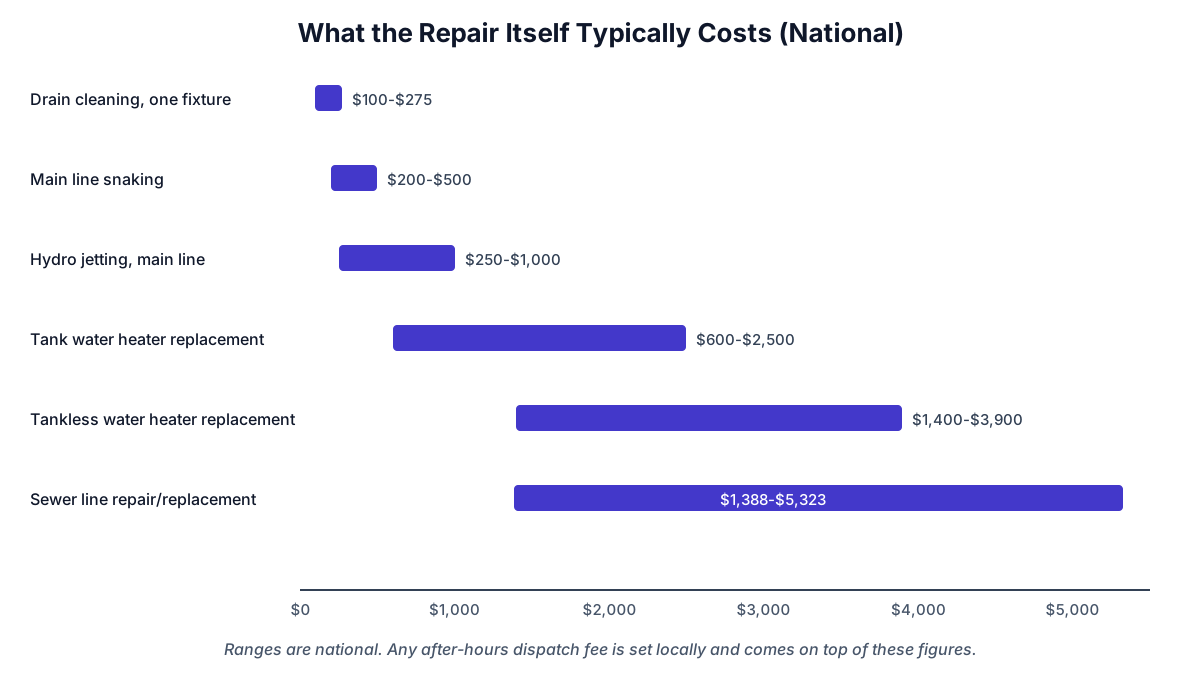
The bill after an emergency call has two separate pieces: a dispatch fee for the after-hours trip, and the cost of whatever repair actually gets made. The dispatch fee is set locally, by each company, and there's no national survey we can point to for it responsibly. What we can size up honestly is the second piece, because national cost-survey data exists for the repairs that most often follow an emergency plumber visit.
National cost ranges for the repairs that most often follow an emergency plumbing call.
Job type
Typical national range
What moves the price
Source
Drain cleaning, single fixture
$100 – $275
Accessibility, whether it's a simple clog or a lodged object
HomeGuide
Main line drain cleaning (snake)
$200 – $500
Line length, number of cleanout access points
HomeGuide
Main line hydro jetting
$250 – $1,000
Grease or root buildup severity, whether a camera inspection is needed first
Fixr
Tank water heater replacement
$600 – $2,500
Tank size, gas vs. electric, whether venting has to change
HomeAdvisor, NerdWallet
Tankless water heater replacement
$1,400 – $3,900
Unit cost, plus gas line or venting upgrades the switch often requires
HomeAdvisor, NerdWallet
Sewer line repair or replacement
$1,388 – $5,323 (avg. $3,319)
Pipe material, trenchless vs. dig-and-replace, length of the run
HomeAdvisor
Hydro jetting clears the line by blasting water through it at roughly 3,000 to 4,000 psi, enough to cut through grease and root intrusion that a cable just pushes past instead of removing; a standard residential sewer lateral runs about 4 inches in diameter, which is why a lodged object or a heavy root mat can block the entire line at once. The tank water heater range above spans everything from a 40-gallon tank swap to a 75-gallon high-recovery unit.
These are national ranges pulled from cost-survey data on the underlying repairs, not from any after-hours emergency premium, since the pack of data behind this guide doesn't include a regional price index for emergency dispatch fees. Many companies add a flat after-hours or weekend surcharge on top of the base repair cost; that number is set locally, so the only figure worth trusting is the written, itemized estimate the plumber gives you before work starts. Our full water heater replacement cost guide breaks the first two rows down further by tank type and fuel source.
The Middle-of-the-Night Test: Can This Wait Until Morning?
When you're standing in the hallway at midnight trying to decide, run the situation against this table. It's built around one question: is there active water intrusion that's getting worse the longer it goes on, or has the problem already stopped moving?
If water, sewage, or gas is actively getting into the house, call now. If it's stopped and contained, a same day plumber during business hours is usually fine.
Situation
Can it wait until morning?
Why
Slow drip from a supply line, bucket catching it
Usually, yes
Contained and not spreading; shut the valve if you can reach it
Water heater popping or ticking, no visible leak
Yes
Sediment buildup, not an active emergency
Pipe spraying water inside a wall or ceiling
No, call now
Active water intrusion compounds by the hour
No hot water, no leak anywhere
Yes, same day plumber is fine
Comfort issue, not a damage risk
Sewage backing up into a tub or floor drain
No, call now
Grossly contaminated water and a health hazard
One toilet running continuously
Yes
Wastes water; doesn't damage the house
Gas odor near a water heater or gas line
No, leave and call now
Life-safety issue, not just a plumbing one
Frozen pipe, no visible leak yet
Depends on how fast it's warming
Risk of a split rises the longer it stays frozen
When you genuinely can't tell which row fits, treat it like the left-hand column and call. Guessing wrong toward caution costs you an after-hours dispatch fee you might not have needed; guessing wrong the other way can mean a ceiling that comes down before morning. The table covers what most people search for at midnight, but the same rule applies to anything not on it: active and getting worse means call now, and stopped and contained means you have time to think.
Does Homeowners Insurance Cover Any of This?
Often, yes, for the part of the loss that's sudden and accidental, and often no for the part that built up slowly. A standard HO-3 policy typically covers the water damage caused by a pipe that suddenly bursts, but it usually excludes damage traced back to a leak that was left running for weeks, poor maintenance, or flooding that comes in from outside the house, which falls under a separate flood policy rather than a standard homeowners one.
Whether the plumbing repair itself — the pipe, the water heater, the section of sewer line — gets covered alongside the damage it caused varies by policy and by insurer, which is exactly the kind of detail a licensed agent or your policy's declarations page answers better than a general guide can. What consistently helps a claim move faster: the photographs you took in the first few minutes, a dated and itemized invoice from the plumber, and a clear timeline of when you noticed the problem and when you called.
If you're wondering whether it's even worth filing, weigh the repair total from the cost table above against your deductible before you do. A $200 drain cleaning rarely clears a typical deductible; a sewer line replacement usually does.
How to Choose an Emergency Plumber Before You're Standing in Water
The best time to pick a plumber is before anything's leaking, not during. Start with your state's plumbing licensing board and confirm the license is active; ask for proof of liability insurance before anyone starts work, not after. Look for relevant certifications, such as backflow-prevention certification for anyone touching your main water line, and ask directly whether the company runs its own after-hours crew or dispatches a third-party contractor, since that changes who's accountable if something goes wrong.
Red flags worth walking away from: a company that won't quote an after-hours dispatch fee over the phone, anyone who asks for full payment in cash before they've assessed the problem, and any verbal estimate with no written version to follow. A legitimate written estimate itemizes labor, parts, and any after-hours surcharge separately, so you can see exactly what you're paying for and why.
You can reach an emergency plumber that serves your area at 888-854-0126 and ask them to walk you through their after-hours rate before a truck ever leaves the shop. Our guide to choosing a licensed plumber goes deeper on the questions worth asking and the credentials worth checking, for both emergency and routine work.
Keeping the 2 a.m. Call From Happening in the First Place
Most late-night plumbing calls trace back to something that was getting worse for months before it finally failed. A water heater past ten or twelve years old is a good candidate to replace on your own schedule rather than wait for it to fail on its own. Braided steel supply lines wear out too, and swapping them proactively costs far less than the emergency version of the same job.
Before the first hard freeze of the season, insulate any exposed pipes in an unheated garage, crawlspace, or exterior wall, and know where your main shutoff is before you need it in the dark. A basic water leak detector near the water heater and under major sinks buys you an early warning instead of a surprise. Our seasonal plumbing maintenance checklist lays out a simple schedule for catching these problems while they're still cheap to fix.
Regional Notes: Freeze Belt Winters, Storm Coasts, and Older Housing Stock
Where you live changes which emergency you're more likely to face, even though the decision rules above stay the same everywhere. In freeze belt regions, burst-pipe calls to a 24 hour plumber spike around the first hard freeze of the season, often because homes haven't been buttoned up for winter yet and a snap of unusually cold weather catches exposed pipes off guard. Ready.gov and the Insurance Information Institute both publish general seasonal guidance on this pattern worth a look before winter sets in; both are listed in the sources below.
Along hurricane and storm-prone coasts, sewage backups and flood-related plumbing emergencies tend to follow heavy rain events, when municipal sewer systems and storm drains take on more water than they're built for and push some of it back into low-lying homes. And in cities with a lot of older housing stock built before the 1960s, galvanized steel and cast iron pipe nearing the end of its service life raises the odds of a sudden failure in any season, freeze or no freeze, simply because the pipe itself is old.
Frequently asked questions
What is considered a plumbing emergency?+
A plumbing emergency is active water, sewage, or gas getting into your home that won't stop without a shutoff or a repair. That covers a burst or spraying pipe, sewage backing up into a tub or drain, a total loss of water, and any gas odor near a water heater or gas line. A slow drain or a dripping faucet doesn't qualify, even though it can feel urgent at 11 p.m.
When should I call an emergency plumber?+
Call the moment you see water actively spreading, a pipe spraying, sewage coming up through a drain, or you smell gas near a plumbing fixture. If the source is stopped and contained, like a bucket catching a slow drip, you generally have until morning to call a same day plumber instead and pay the standard rate.
How much does an emergency plumber cost?+
Emergency plumbers charge for two things: an after-hours dispatch fee on top of their normal rate, and the cost of the repair itself. The dispatch fee is set locally and varies by company, so there's no reliable national figure to quote here; ask for it before anyone leaves the shop. The repair itself follows the same cost ranges as daytime work, from around $110 for a simple drain clog to well over $1,000 for a sewer line repair.
How much is an emergency plumber call-out fee?+
There's no single national number for a call-out fee, since each company and each local market sets its own. Ask for the after-hours dispatch fee as a flat figure before a truck is sent out, and get it in writing along with the hourly rate that applies once the plumber is on site.
Do plumbers work 24/7?+
Many do, through an after hours plumber or an on-call rotation, but not every licensed plumber offers overnight service, and the ones who do often add a premium outside normal business hours. If you're not sure a company covers nights and weekends, ask directly when you call rather than assuming.
How long does it take for an emergency plumber to arrive?+
Response time isn't something we can put a firm number on nationally, since it depends on local demand, weather, and how many plumbers are on call that night. When you call, ask the dispatcher directly how long the wait is expected to be so you can decide whether to keep containing the water yourself in the meantime.
Does homeowners insurance cover emergency plumbing?+
Often, for the part of the damage caused by a sudden event like a burst pipe, but not always for the underlying plumbing repair, and rarely for damage from a leak that built up slowly over time. Check your policy's declarations page or ask your agent, and keep photos and an itemized invoice either way; both speed up a claim.
Who do I call for a plumbing emergency in the middle of the night?+
Reach for a 24 hour plumber or after hours plumber that serves your area, describe exactly what you're seeing, and mention whether water, sewage, or gas is involved so the dispatcher can send someone with the right equipment. If you smell gas, call the gas utility's emergency line first and leave the house.
Is a running toilet a plumbing emergency?+
No. A running toilet wastes water and drives up your bill, but it isn't spreading anywhere or damaging anything, so it can wait for a same day plumber during business hours. The fix is usually a flapper or fill valve, a job most plumbers finish in well under an hour once they're there.
What should be on a plumbing emergency checklist?+
A useful plumbing emergency checklist has four items: the location of your main water shutoff, the shutoff for your water heater, your gas shutoff if you have one, and the number for a 24 hour plumber. Keep it somewhere you can find it in the dark, since that's usually when you'll need it.
Can a same day plumber handle a weekend plumbing problem?+
Yes, for anything that isn't actively spreading. A same day plumber or weekend plumber can usually get to a non-emergency job within the day at a standard rate, which costs less than calling an after hours plumber for the identical repair overnight.
What if I can't find my main water shutoff valve?+
Check near the water meter, along the foundation wall closest to the street, or in a basement, crawlspace, or utility closet. If you genuinely can't locate it, shutting off the valve at the specific fixture that's leaking is the next best option, and it's worth finding the main shutoff on a calm day so you're not searching for it during an actual emergency.