Duct cleaning is worth doing when there's visible mold, a pest infestation, heavy renovation dust, or debris blocking airflow, not on a fixed calendar. The EPA has held that position since 1997, and NADCA's inspection-first process backs it up. A NADCA certified duct cleaner who inspects first and cleans the whole system, coil and blower included, is the standard to look for.
A flyer shows up on the door, or a technician doing an unrelated repair mentions it in passing: your ducts, they say, are due for a cleaning. Duct cleaning is one of the more contested services in home maintenance, sitting somewhere between a legitimate fix for a real problem and one of the more effective upsells in the trades. This guide sorts the two apart — the specific situations where cleaning the supply and return ducts genuinely helps, the ones where it does nothing measurable, and the red flags that mark a sales pitch dressed up as a health service.
None of what follows depends on where you live. A house in a humid river valley and a house on a dry plateau both get dusty ducts eventually; what changes by region is how they get dusty, covered in the regional notes near the end. What doesn't change is the underlying question worth asking before any technician opens an access panel: is there an actual reason to do this, or is it a service being sold on a schedule that doesn't reflect how contamination actually builds up.
What Duct Cleaning Actually Involves
Duct cleaning means physically removing dust, debris, and contaminants from the inside of a home's heating and cooling distribution system: the supply and return ducts, the grilles and diffusers at each room, and, in a full-system job, the components inside the air handler itself — the blower wheel, the surfaces of the heat exchanger the air passes over, and the evaporator coil. It's mechanical work, done with vacuum equipment and agitation tools rather than sprays or fogs, though some companies add an antimicrobial sealant or fogging step as a separate upsell.
The professional standard for how this work is supposed to be done comes from NADCA, the National Air Duct Cleaners Association. Its ACR Standard, currently the 2025 edition, covers everything from inspection procedure to the negative-pressure equipment used to pull contaminants out of the system rather than just stirring them into the air. NADCA lists more than 1,500 member companies nationally, and its ASCS credential (Air Systems Cleaning Specialist) is what to look for in an individual technician, not just a company name — its newer CVI (Certified Ventilation Inspector) credential is the equivalent for the inspection side of the job.
What duct cleaning is not: an annual maintenance task like an oil change. It's a response to a specific, identifiable condition, not a calendar event, and treating it as the latter is where most of the wasted money in this business actually goes.
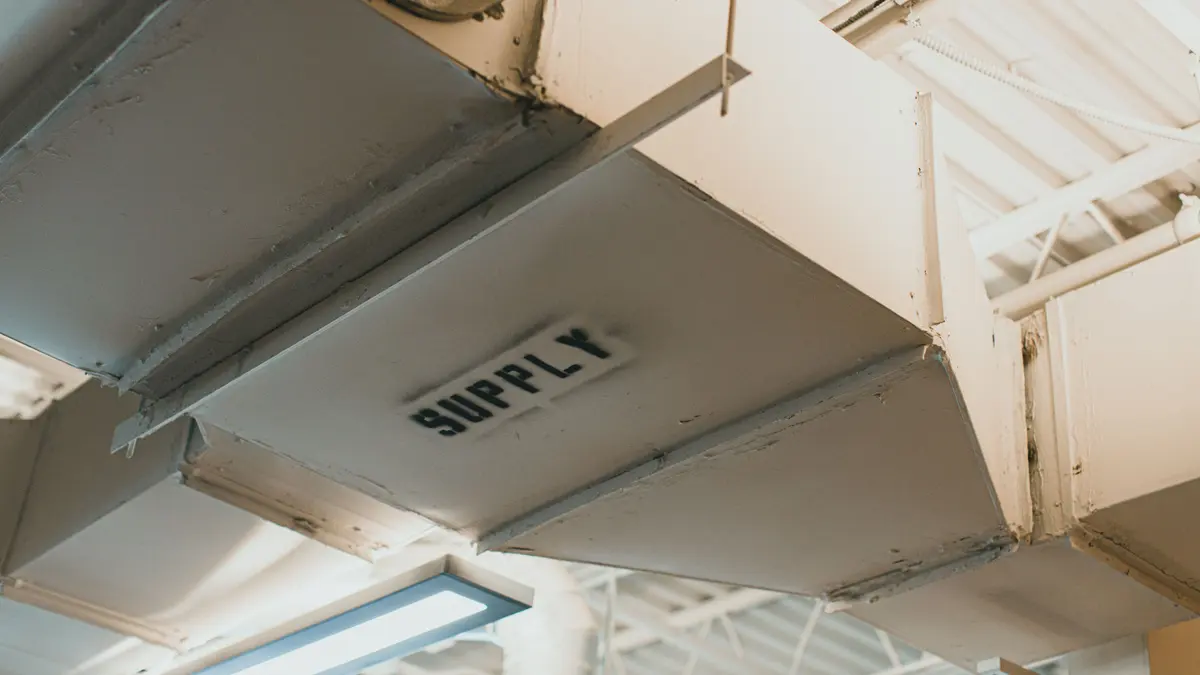
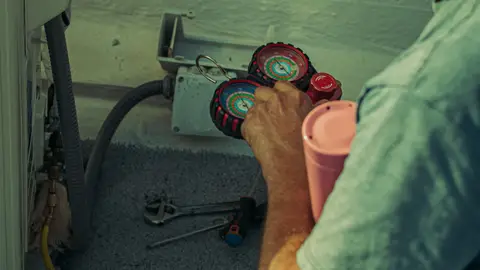
A full-system cleaning reaches every stage shown here, register to blower wheel to coil; a bargain job that skips the air handler misses the components NADCA's ACR Standard calls for.
The Signs That Actually Mean You Need Duct Cleaning
The signs you need duct cleaning are physical, not chronological, and the EPA has said so in federal guidance (EPA 402-K-97-002) on this exact question since 1997: it names three specific conditions rather than a fixed interval. A system that's never been cleaned in fifteen years but shows none of the conditions below is very likely fine. A system cleaned two years ago that now shows one of them may need attention regardless of the calendar.
Substantial visible mold growth on hard interior surfaces of the ductwork or on other parts of the HVAC system — not just a musty smell, actual growth confirmed by opening an access panel. This is the first of the EPA's three named conditions.
Vermin or insect infestation inside the ducts: droppings, nesting material, or a dead-animal odor coming from the vents. The EPA lists this as its second condition.
Excessive dust or debris, either clogging the ducts themselves or visibly released from the supply registers into the room — the EPA's third and final condition, and the one a white cloth held near a vent for a few minutes will confirm or rule out fast.
Recent renovation or demolition work that wasn't sealed off first. The same EPA guidance addresses this directly on the prevention side: seal the registers before construction dust reaches the return ducts, or plan on cleaning afterward.
A house fire, even a small one, or heavy smoke exposure, which coats ductwork in soot and combustion byproducts that a filter change won't touch.
What's not on that list, on purpose: normal household dust, a system that's simply old, or a general sense that it's probably due. The EPA is explicit that it does not recommend cleaning ducts on a routine schedule, only as needed, and NADCA's inspection-first approach reflects the same logic on the industry side. If weak airflow rather than dust is the real complaint, a step-by-step way to find out why covers the wider diagnostic path.
When It's Worth It and When It's a Waste of Money
Set against the signs above, the honest split looks less like a coin flip and more like a short checklist. Is duct cleaning worth it in a given house comes down to whether there's a specific, visible reason. The EPA has held this position in federal guidance since 1997 — no routine schedule, cleaning only when mold, vermin, or heavy debris are actually present — and NADCA's ACR Standard, the industry's own process document, backs the same approach: an inspection before a cleaning gets recommended, not a blanket schedule applied to every customer who calls.
Situation
Right move
Visible mold on hard duct surfaces
Clean, with a company qualified to also address the mold source, not the ducts alone
Rodent or insect infestation in ducts
Clean, and seal the entry point, or the contamination returns within a season
Heavy renovation dust after work wasn't sealed off
Clean once, after the work is fully finished
System is old but shows none of the signs above
Skip it; age alone isn't a NADCA-recognized trigger
A flyer offers a flat whole-house price with no inspection
Skip it, or insist on an in-person inspection first
Ducts are crushed, disconnected, or leaking at joints
Repair or reseal first; cleaning a damaged duct doesn't fix the damage
That last row matters more than people expect. A duct system leaking conditioned air at loose joints or crushed sections wastes far more energy than a dusty one, and no amount of cleaning fixes a physical defect. ACCA's Manual D, the residential duct design standard, treats sealing and sizing as a completely separate problem from cleanliness — worth knowing before paying for a cleaning that won't touch the actual issue. Commercial buildings run on a different logic entirely, tied to occupancy and code rather than a homeowner's checklist; see rooftop units, service contracts and downtime costs for that side of it.
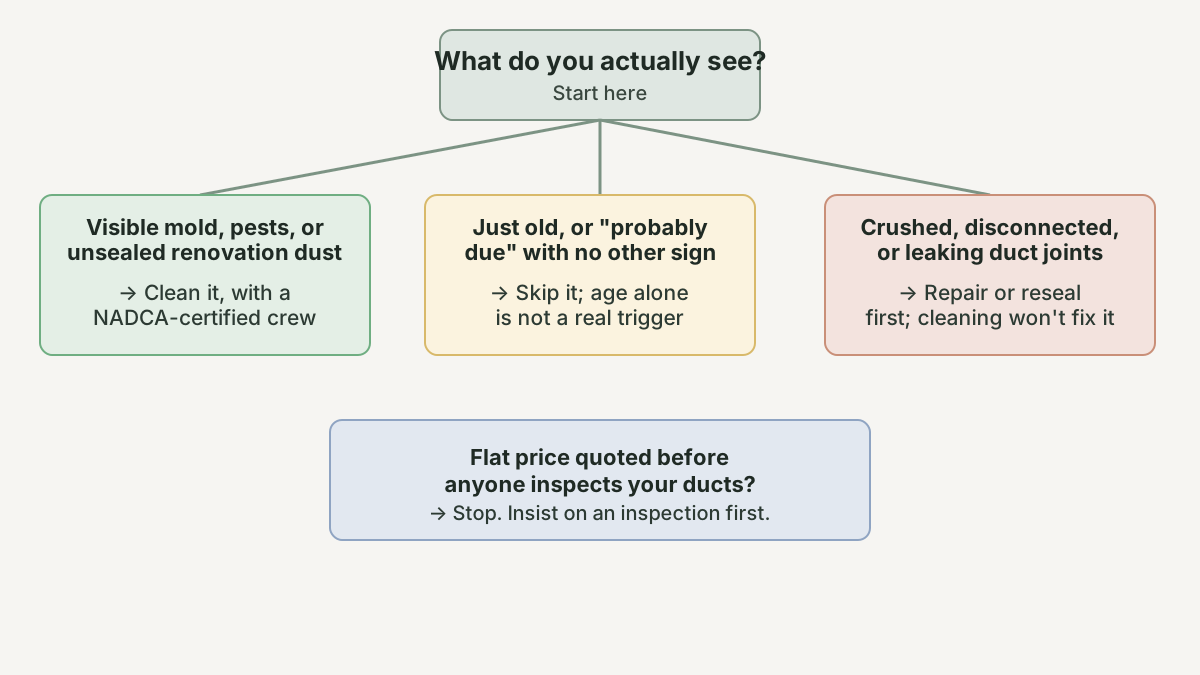
Mold, pests, and unsealed renovation dust are real triggers. Age alone is not.
How a Professional Duct Cleaning Actually Works
A cleaning done to NADCA's ACR Standard follows a specific sequence, not just a technician running a shop-vac hose down each vent. Here's the order a legitimate crew works in.
Inspection first. A technician opens access panels and, on a thorough job, runs a camera down the main trunk lines to confirm there's actual contamination worth removing before equipment gets set up.
Isolating the system. Registers and grilles get sealed off room by room so contaminants dislodged in one branch don't just blow into the living space through another.
Creating negative pressure. A powerful vacuum collection unit connects to the system, pulling air, and everything in it, toward the machine instead of pushing it further into the ductwork or the house.
Agitation. Brushes, air whips, or a rotobrush-style tool physically dislodge dust stuck to duct walls while the negative-pressure unit runs, so loosened material gets captured rather than redistributed.
Cleaning the air handler components. On a full-system job, the blower wheel, the coil, and the drain pan get cleaned too; skipping this step is one of the most common ways a bargain cleaning ends up incomplete.
Final inspection. A thorough company photographs or films the before-and-after condition of the ducts, which doubles as the paper trail worth asking for if a cleaning is ever disputed.
How long a job takes varies enough by house that no fixed number is honest: the count of vents, the number of separate HVAC systems, and how hard the ductwork is to reach (a slab-buried system takes longer to access than one running through an open attic) all move the clock. A company that won't give a time estimate up front, alongside the price, is skipping a step the better ones don't skip.
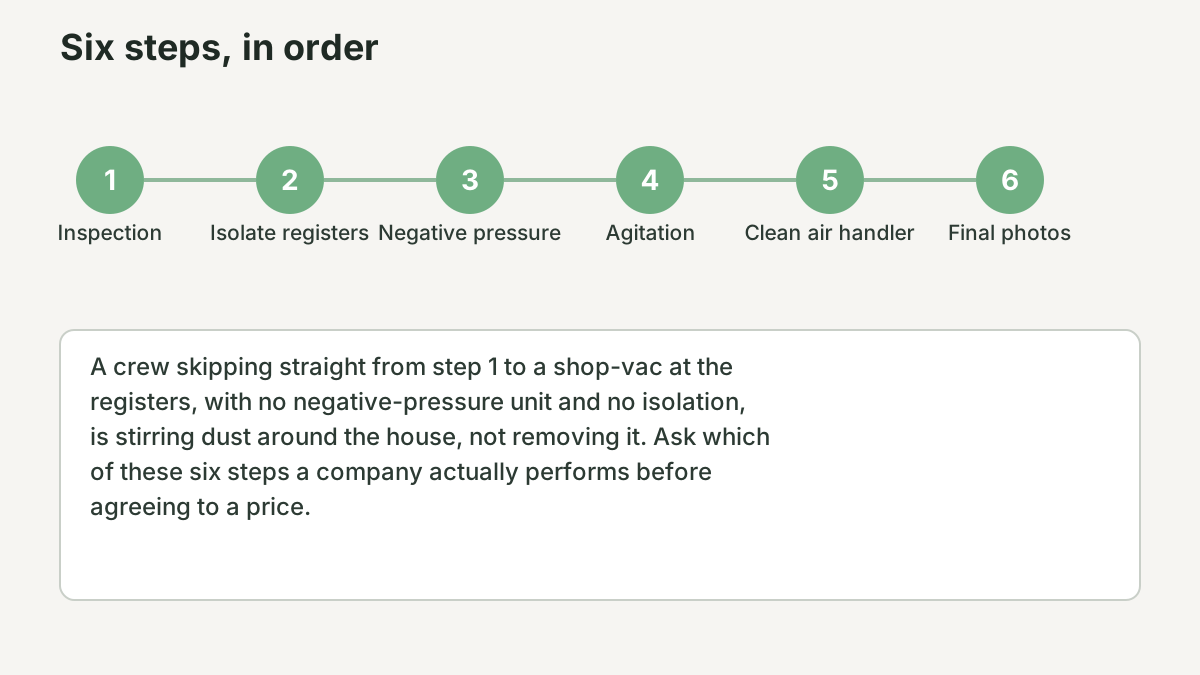
A legitimate job follows this order every time: inspection first, photos last.
The Duct Cleaning Scam Everyone Should Recognize
The duct cleaning scam that shows up most often follows the same script nationwide: a coupon, a door hanger, or a radio ad advertises a suspiciously low flat price for whole-house cleaning, sight unseen. The technician arrives, does a token pass with a shop-vac at the registers, then produces a camera or a "contamination test" that conveniently reveals a much bigger, much more expensive problem requiring an upsell on the spot.
Never pay a company that quotes a flat whole-house price over the phone before anyone has inspected the ductwork in person — that sight-unseen flat rate is the setup for nearly every version of this scam.
A few other patterns worth recognizing: a technician who pressures same-day sign-off on an expensive add-on like duct sealant or a UV light system before finishing the job everyone agreed to first; a company that can't or won't name which NADCA-recognized method it uses; and a "free inspection" that always, without exception, finds mold requiring remediation. Real mold findings happen. A company that finds mold on every single job is running a script, not an inspection.
The honest version of this service exists and does real work. The scam version borrows its name and its equipment to sell fear instead of a cleaning. Reading the signs in the earlier section before calling anyone is the best protection against both.
Dryer Vent Cleaning Is a Different Job
The dryer vent gets lumped in with duct cleaning in a lot of advertising, but it's a separate system entirely — a single dedicated line running from the dryer to an exterior vent cap, not connected to the home's heating and cooling ductwork at all. Searches for how to dryer vent cleaning and how to dryer duct cleaning usually mean the same thing: clearing lint from that one line, which is a shorter, cheaper, and more frequently needed job than whole-house duct cleaning.
A clogged dryer vent is worth taking seriously on its own terms. Lint restricts airflow, makes the dryer run longer and hotter to dry the same load, and a blocked vent is one of the most common, entirely preventable causes of home dryer fires — exactly why every dryer's owner's manual carries a lint-trap warning most people skim past. Signs it's due: clothes taking noticeably longer to dry, the outside vent flap barely moving with the dryer running, or a burning-dust smell during a cycle.
Because it's a single line rather than a branching duct system, a homeowner with a vent-cleaning brush kit and a shop-vac can often handle a straight, short run themselves. A vent with multiple bends, a long run to an exterior wall, or one that hasn't been cleared in years is a better candidate for a professional with a powered brush and inspection camera — the same company that does duct cleaning for the HVAC system often offers this as a separate, smaller-ticket service.
What Duct Cleaning Costs (and Why We Can't Give You One Number)
On duct cleaning cost specifically, here's the honest limitation: our data pack does not carry a national cost survey for this exact service the way it does for AC repair or furnace replacement. Rather than invent a number, the table below breaks down what actually drives the price up or down, and the one after it lines up the closest sourced dollar figures we do have — a general HVAC service visit and full ductwork replacement — so a quote can be judged against something real.
Cost driver
How it moves the estimate
Home size / number of vents
More supply and return registers means more access points and more time on-site
Number of separate HVAC systems
A zoned home with two systems is close to two full jobs, not one
Mold present vs. dust only
Mold remediation is priced, and often licensed, separately from a standard cleaning
Dryer vent included
Almost always a separate line item, not bundled into whole-house pricing
Access difficulty
Slab-buried ducts, tight crawlspaces, or finished ceilings without panels add labor
Sealing or repair add-ons
Fixing a crushed or disconnected section is repair work, priced apart from cleaning
None of the rows above carry a dollar sign, on purpose. What we can source is the closest adjacent pricing: a standard HVAC service call runs $75 to $200 nationally just to have a technician on-site, according to HomeGuide's cost survey, and full ductwork replacement — the fix when cleaning reveals ducts too damaged to salvage — runs $1,000 to $5,000, averaging around $2,000, according to HomeAdvisor's national AC installation data.
Related job
Typical national range
Source
Standard HVAC service call / diagnostic visit
$75 – $200
HomeGuide
HVAC technician hourly labor rate
$75 – $150
HomeGuide
Full ductwork replacement (not cleaning)
$1,000 – $5,000, avg. $2,000
HomeAdvisor
Every dollar figure above is a researched range pulled from published cost surveys, not a quote for your house — a written, in-person estimate from a local contractor is the only number that's actually binding, and it should follow an inspection, not a phone call. The final number varies by region, how hard the ductwork is to reach, and what a technician finds once an access panel is actually open, which is exactly why the cost-driver table above has no dollar signs in it. Anyone quoting a firm number over the phone, before seeing the ductwork, is skipping the step that makes a quote trustworthy.
No national duct-cleaning price exists in our data; these adjacent, sourced figures show scale instead.
How to Choose a Duct Cleaning Company
The single best filter is certification: hiring a NADCA certified duct cleaner means the company has committed to the ACR Standard's inspection-first, negative-pressure method rather than whatever gets the job done fastest. Ask specifically whether the technician doing the work holds NADCA's ASCS credential, not just whether the company is a NADCA member; membership and individual certification aren't the same thing. NADCA certification is an industry credential, not a state one, so it's also worth verifying separately that the company is licensed to do contracting work in your state; most states run that licensing through a dedicated state contractor board with a public lookup, the same kind of check worth running before any contractor of any kind starts a job in the house.
Beyond certification, a written estimate worth signing should spell out whether the job covers the full system (registers, trunk lines, and air handler components) or just the visible registers; whether the dryer vent is included or billed separately; what method removes debris (negative pressure and agitation, not just a shop-vac pass); and current proof of general liability insurance, not an expired certificate from last year. Ask for before-and-after photos or inspection-camera footage as part of the paperwork, not just a verbal assurance the job is done.
Red flags worth walking away from: a price quoted before any inspection, pressure to sign off on sealant or UV-light add-ons mid-job, a company that can't describe its cleaning method in plain terms, and a "test" that finds contamination on every visit regardless of the house. For the broader questions worth asking any HVAC contractor — licensing, insurance, and how to read a written estimate — see how to choose an HVAC contractor.
What You Can Do Yourself and Where DIY Ends
DIY duct cleaning has real limits, but it isn't nothing. A homeowner can safely vacuum visible dust from register covers and the first foot or so of duct visible behind them, change the air filter on schedule (the single biggest thing anyone can do to slow how fast ducts get dirty in the first place — a higher-rated filter on the 1-to-16 MERV scale traps meaningfully more of what would otherwise settle inside the ducts), and use a long flexible brush kit on a short, straight dryer vent run.
What DIY can't reach, physically or safely: the trunk lines running through walls, floors, and ceilings; anything inside the air handler itself, including the blower wheel and coil; and any duct with mold covering more than about 10 square feet, roughly 3 feet by 3 feet. That's the EPA's own line for when a mold problem stops being a homeowner job: past it, call a professional mold remediation company, not a shop-vac and a brush. A homeowner-grade rotary brush kit sold for whole-house use also lacks the negative-pressure collection that keeps a professional job from redistributing dust through the house instead of removing it.
Is duct cleaning dangerous to attempt yourself in a limited way? Not for the register-and-filter tasks above. It gets riskier fast with a mold patch anywhere near that 10-square-foot line without the right respirator and containment, with attic or crawlspace access in extreme heat or cold, and with any electrical work near the air handler — stop and call a professional on any of those three, regardless of confidence level.
The EPA's own line for a homeowner mold job is about 10 square feet, roughly 3 feet by 3 feet; past that, call a professional mold remediation company, not a shop-vac and a brush.
Regional Notes: Humid Climates, Renovation Dust and Older Homes
The signs and standards above hold everywhere, but what makes them show up shifts by climate and housing stock. In humid, coastal, and Gulf South climates, moisture inside ductwork is the bigger risk factor. A duct system with a slow condensation leak, or one running through an unconditioned, humid crawlspace, is far more likely to develop the kind of visible mold growth that's an actual, standard-recognized reason to clean, not just a dusty-vent complaint.
In drier, dustier regions, the more common trigger is volume rather than moisture: homes near unpaved roads, agricultural land, or frequent wildfire smoke exposure accumulate particulate faster, and a return duct pulling air from a garage or unfinished attic pulls that debris straight into the system. Older homes add a structural wrinkle: houses built before ductwork was commonly insulated and sealed to modern standards are more likely to have leaky joints, and, in some older construction, ducts that were never really designed to be cleaned without disassembling sections — worth flagging to any company giving an estimate on a pre-1980s house.
Renovation timing is the one factor that isn't regional at all. Any home mid-remodel, in any climate, should treat post-construction duct cleaning as close to mandatory if the HVAC system ran at all during demolition or drywall work without the registers sealed off first.
Frequently asked questions
How much does duct cleaning cost?+
There's no reliable national number for this specific service; cost surveys that track AC and furnace repair well don't consistently cover duct cleaning the same way. Price depends mainly on home size, number of vents, whether mold or a dryer vent is involved, and how hard the ducts are to access. Get a written, in-person estimate rather than trusting a price quoted over the phone.
Is duct cleaning a ripoff?+
Not inherently, but the industry has a real scam problem built around flat, sight-unseen pricing and manufactured contamination findings. The service itself, done to NADCA's ACR Standard by a certified technician after an actual inspection, is legitimate. It becomes a ripoff specifically when it's sold on a fixed schedule instead of an observed reason, or when a low advertised price turns into an expensive upsell once the technician is inside.
How is ductwork cleaned?+
A certified crew seals off the registers, connects a negative-pressure vacuum collection unit to the system, and uses brushes or an agitation tool to dislodge dust from the duct walls while the vacuum pulls it out rather than letting it scatter back into the house. A full-system job also cleans the blower, coil, and drain pan inside the air handler, not just the visible ductwork.
How often should air ducts get cleaned?+
There's no fixed interval, and that's by design: the EPA's own guidance is inspection-based, not calendar-based, and NADCA's inspection-first process follows the same logic. Clean when there's visible mold, a pest infestation, heavy renovation dust, or fire or smoke exposure. A system with none of those signs doesn't need cleaning just because a certain number of years has passed, regardless of what a sales flyer implies.
How do I know if my air ducts need to be cleaned?+
Look for visible mold on hard duct surfaces inside an access panel, droppings or nesting material from pests, heavy dust blowing from registers onto a cloth held nearby, or dust left over from recent renovation work that wasn't sealed off. A musty smell alone, without visible confirmation, is a reason to inspect, not necessarily a reason to clean.
Is duct cleaning dangerous?+
The basic register-and-filter tasks a homeowner can safely do aren't dangerous. Risk shows up around mold exposure without proper respiratory protection, attic or crawlspace access in extreme temperatures, and any work near the air handler's electrical components; those parts of the job belong to a professional, not a weekend project.
How long does duct cleaning take?+
It varies too much by house for a single honest number: the count of vents, how many separate HVAC systems are involved, and how accessible the ductwork is (open attic versus slab-buried) all change the timeline. A company that provides a time estimate alongside its price quote, before starting, is doing the job the way a legitimate one should.
What equipment is needed for duct cleaning?+
A professional job uses a negative-pressure vacuum collection unit connected to the ductwork, plus agitation tools such as rotating brushes, air whips, or a rotobrush-style device, to dislodge material while the vacuum captures it. A full-system job also uses tools to access and clean the blower wheel and coil inside the air handler, which a basic shop-vac and brush kit can't reach.
Does cleaning air ducts really work?+
For the specific problems that justify it, visible mold, pest contamination, or heavy renovation dust, yes, a properly done cleaning removes what's actually there. It doesn't work as a general air-quality fix for a system that's simply old or dusty in the ordinary way; that's the distinction the earlier sections of this guide are built around.
Can I clean my own air ducts?+
Partially. Vacuuming register covers, changing filters on schedule, and brushing out a short, straight dryer vent run are all reasonable DIY tasks. Trunk lines behind walls and ceilings, anything inside the air handler, and any duct with confirmed mold are beyond what a homeowner's shop-vac and brush kit can safely or effectively handle.