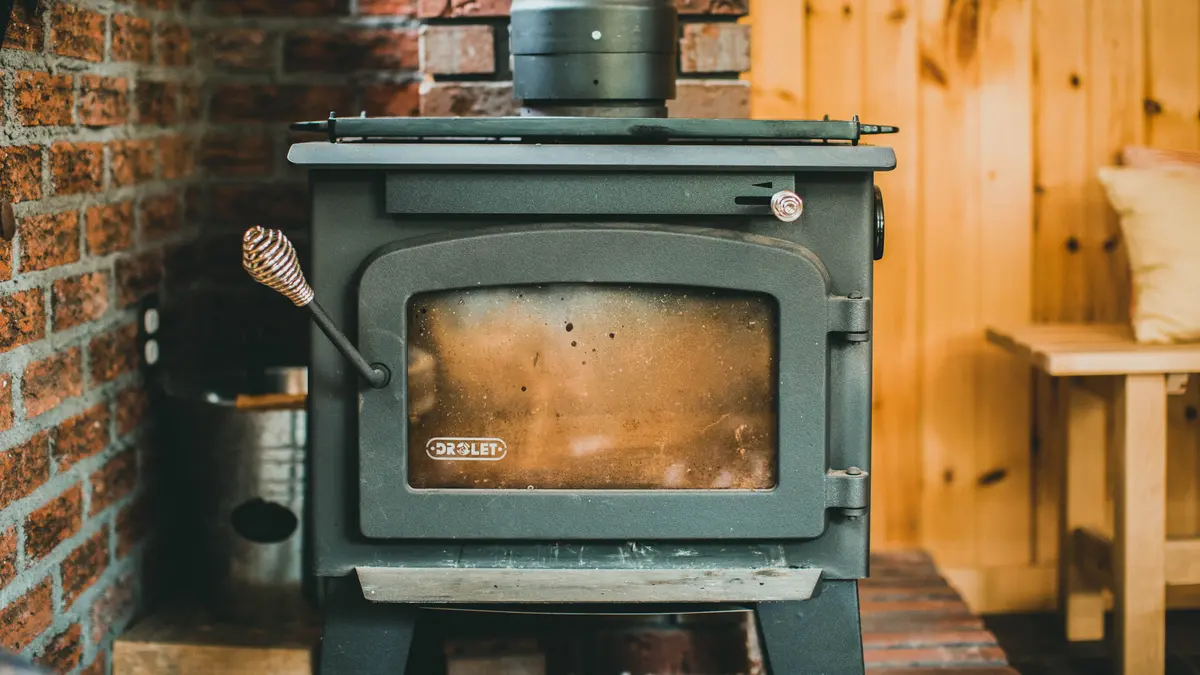
A new furnace is one of those purchases nobody plans for. The old one usually quits on a Tuesday morning in January, and by that afternoon you're comparing quotes that range from $2,800 to $9,000 and wondering which contractor is padding the bill and which one is lowballing you to get in the door. This guide breaks down what actually moves new furnace cost, fuel type, unit size, efficiency rating, ductwork, and labor, using published cost-survey data instead of guesswork, so you can read a quote and know whether it's reasonable before you sign anything.
What Actually Sets the Price of a New Furnace
Furnace replacement cost isn't one number. It's five or six variables stacked on top of each other, and different contractors weigh them differently.
Fuel type sets the floor, since electric furnaces install cheaper than gas, propane, or oil units. BTU output, meaning how much heat the unit produces per hour, has to match your house, not just its square footage. Efficiency rating and ductwork condition do most of the rest of the work. Two houses on the same block can get real quotes $2,000 apart and both be legitimate.
Nationally, HomeAdvisor puts furnace replacement at an average of $4,814, with most homeowners landing between $2,823 and $6,897 (a wider low-to-high spread of $167 to $13,750 for edge cases). Fixr's 2026 survey lands close by, with a national average of $4,800 and a typical range of $2,800 to $7,500. Two independent surveys landing within $14 of each other on the average is a decent sign the range is real, not marketing copy.
The AFUE rating (Annual Fuel Utilization Efficiency, the share of fuel a furnace actually converts to heat instead of losing up the flue) explains a good chunk of the spread inside each fuel category. A basic 80% AFUE gas furnace and a 98% AFUE condensing model can differ by thousands of dollars before a single foot of ductwork gets touched. A new furnace cost estimate that doesn't ask which AFUE tier you want isn't worth much.
| Source | National average | Typical range | Low-high spread |
|---|---|---|---|
| HomeAdvisor (2026) | $4,814 | $2,823 - $6,897 | $167 - $13,750 |
| Fixr (2026) | $4,800 | $2,800 - $7,500 | not published |
How Big a Furnace Your House Actually Needs
Bigger isn't better. An oversized furnace heats the house fast, shuts off, and cycles on and off all day, called short cycling, which wears out components early and leaves rooms unevenly heated. An undersized one runs constantly and still can't keep up on the coldest night of the year. Both mistakes happen constantly because contractors sizing off square footage alone skip the variables that actually matter: insulation levels, window count and orientation, ceiling height, air leakage, and your local design temperature (the outdoor low a contractor assumes when sizing equipment for your climate).
Manual J is the real answer
The Manual J load calculation, published by the Air Conditioning Contractors of America (ACCA), is the industry-standard method for sizing residential heating and cooling equipment room by room. A contractor who quotes a furnace size without running one, or at minimum walking your whole house and asking about insulation and windows, is guessing. Ask directly: did they run a Manual J, or are they sizing off the old unit? A reasonable answer either names the calculation or explains they measured and accounted for your specific house. On a full system replacement, ACCA also publishes Manual S for matching the specific equipment to that load and Manual D for sizing the ductwork that has to carry the air the new furnace produces, so a Manual J number paired with ductwork sized for the old unit only solves half the problem.
A furnace size calculator found online can give you a rough BTU ballpark based on square footage and climate zone, and it's a fine way to sanity-check a quote. It is not a substitute for a proper load calculation, especially in a house with an unusual layout, a finished basement, or additions built at different times.
Get the sizing wrong on a furnace this expensive and you'll live with the mistake, and the higher gas bills, for the next 15 to 20 years.
Gas Furnace vs Electric Furnace: What Fuel Costs to Install
The gas furnace vs electric furnace question comes down to two different numbers: what it costs to install, and what it costs to run every winter after that. Installed price is the easier one to pin down from the data.
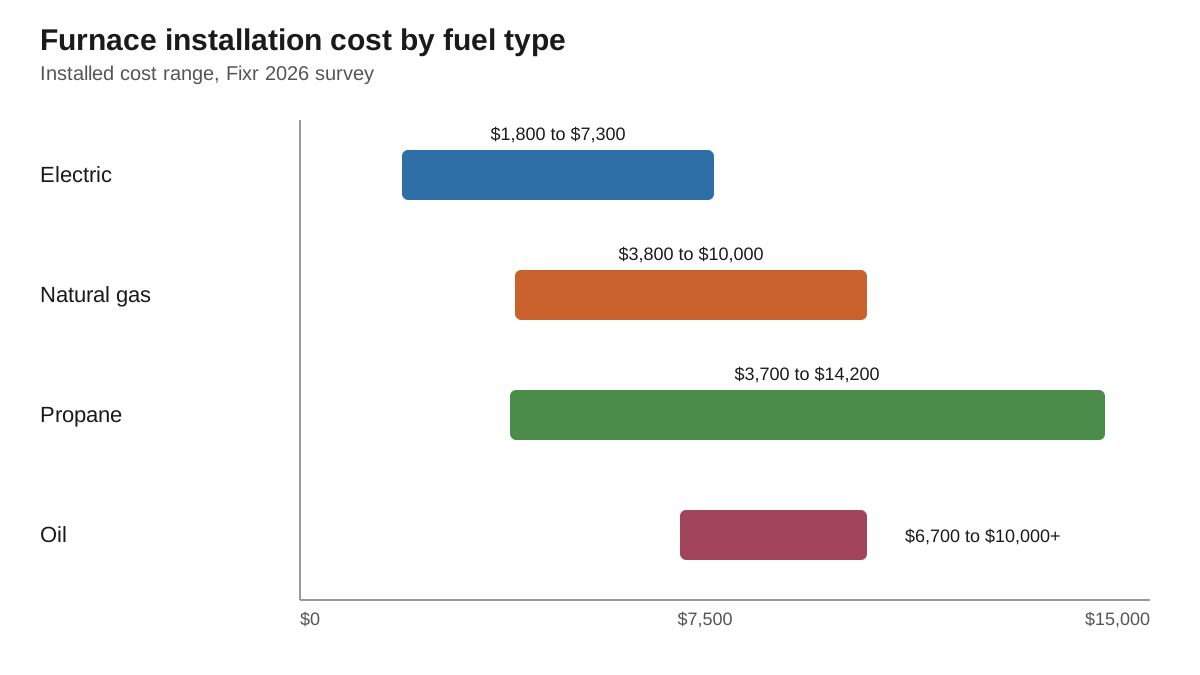
Fixr's 2026 breakdown puts electric furnaces at $1,800 to $7,300 installed, natural gas furnaces at $3,800 to $10,000, propane furnaces at $3,700 to $14,200, and oil furnaces at $6,700 to $10,000 or more. HomeAdvisor's numbers track closely: electric from $2,000 to $7,000 and natural gas from $3,800 to $10,000. Gas and propane units cost more up front because of the extra hardware, including the heat exchanger (the sealed chamber that transfers heat from the flame into the air your ducts push through the house), plus burners and venting, and because most jurisdictions require a permit and inspection for any gas-fired appliance.
Electric furnaces skip the venting and gas-line work entirely, which is a big part of why they install cheaper, though electricity is typically the more expensive fuel to run per BTU in most of the country. That tradeoff, a lower install cost against higher monthly bills, is the real decision, not just the number on the first quote.
| Fuel type | Fixr range | HomeAdvisor range | Source |
|---|---|---|---|
| Electric | $1,800 - $7,300 | $2,000 - $7,000 | Fixr, HomeAdvisor (2026) |
| Natural gas | $3,800 - $10,000 | $3,800 - $10,000 | Fixr, HomeAdvisor (2026) |
| Propane | $3,700 - $14,200 | not published | Fixr (2026) |
| Oil | $6,700 - $10,000+ | $6,750 - $10,000+ | Fixr, HomeAdvisor (2026) |
Furnace Efficiency Rating and What It Adds to the Price
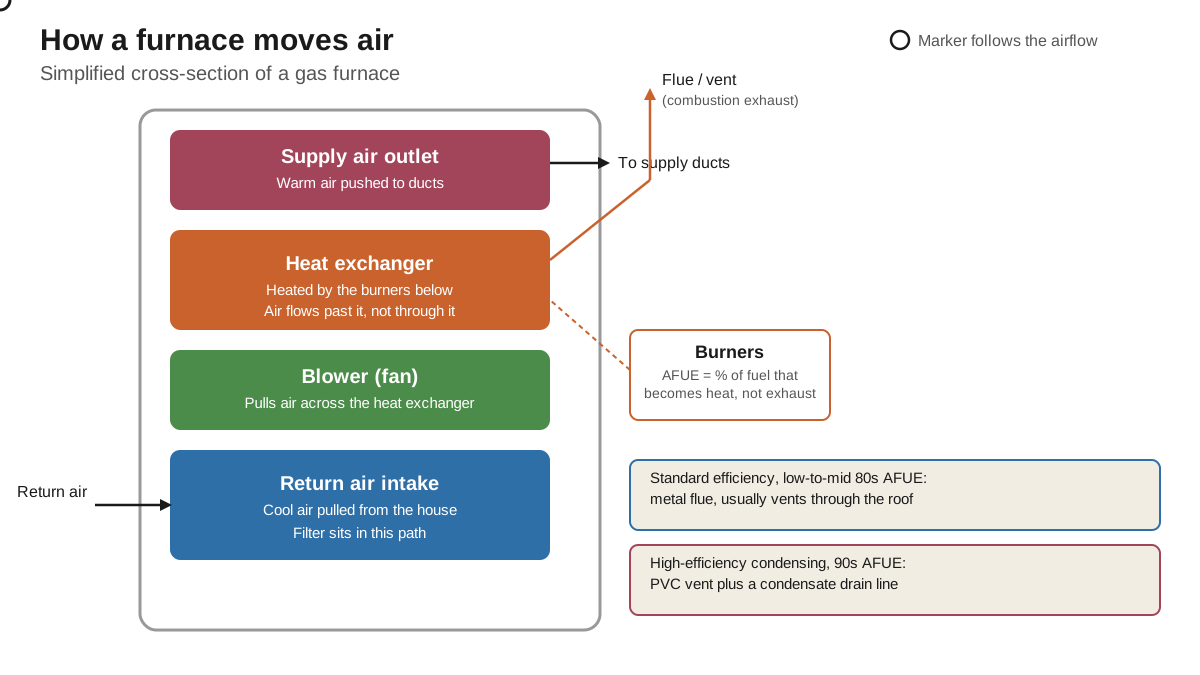
Your furnace efficiency rating is the single biggest lever inside a given fuel category, and it's measured in AFUE, the percentage of fuel energy that becomes heat in your house instead of exhaust up the flue. Standard-efficiency gas furnaces cluster in the low-to-mid 80s AFUE; high-efficiency condensing furnaces climb into the 90s. Ask your contractor which tier a quote is built around, since two furnaces with the same BTU output and very different AFUE numbers are not the same product.
A condensing furnace extracts enough extra heat from the exhaust that the flue gas actually condenses into water, which means it can vent through ordinary PVC pipe instead of a metal flue, but it also needs a condensate drain and, in cold climates, some freeze protection for that drain line. That's extra labor a standard-efficiency install doesn't need, and it's baked into the higher end of the cost ranges above rather than broken out as a separate line item in the survey data available.
The practical takeaway: when a quote lists an AFUE percentage, you're comparing equipment, not just a price. When it doesn't, ask for it before comparing that number to anyone else's.
Repair or Replace: When a New Furnace Beats Another Fix
Furnace repair costs a lot less than replacement in isolation, which is exactly why the decision gets confusing. HomeGuide puts the average furnace service call at $268, with most repairs landing between $150 and $450. Fixr's furnace-repair survey runs higher, a national average of $485 with a typical range of $349 to $650, and a low-to-high spread of $66 to $2,673 for the rare repair that involves a cracked heat exchanger ($1,346 to $2,673 on its own, per Fixr) or a full control board and blower motor replacement.
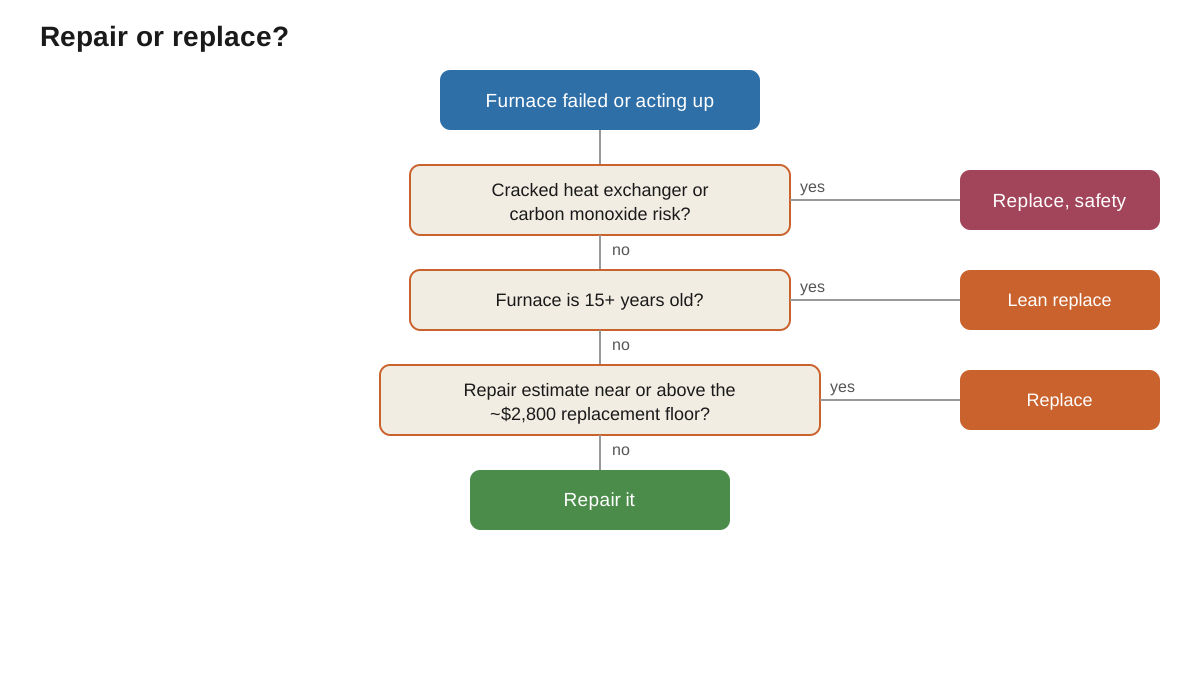
The math that matters: compare the repair estimate to the low end of replacement, not the average. If a shop quotes $1,200 to fix a 14-year-old furnace and replacement starts at $2,800 (Fixr) to $2,823 (HomeAdvisor), you're paying nearly half the cost of a new, fully warrantied unit to patch one that's already past the point most manufacturers design for.
| Situation | Typical repair cost | Source |
|---|---|---|
| Minor part (igniter, flame sensor, capacitor) | $96 - $250 | Fixr, HomeGuide (2026) |
| Control board or blower motor | $150 - $2,000 | HomeAdvisor, Fixr (2026) |
| Cracked heat exchanger | $1,000 - $3,000 | HomeGuide, Fixr (2026) |
| Full replacement instead | $2,800 - $7,500 | Fixr, HomeAdvisor (2026) |
A cracked heat exchanger deserves its own mention: it's a carbon monoxide risk, not just a repair line item, and most technicians will recommend replacement over repair on a furnace old enough to have one crack in the first place.
How a Furnace Installation Actually Goes, Step by Step
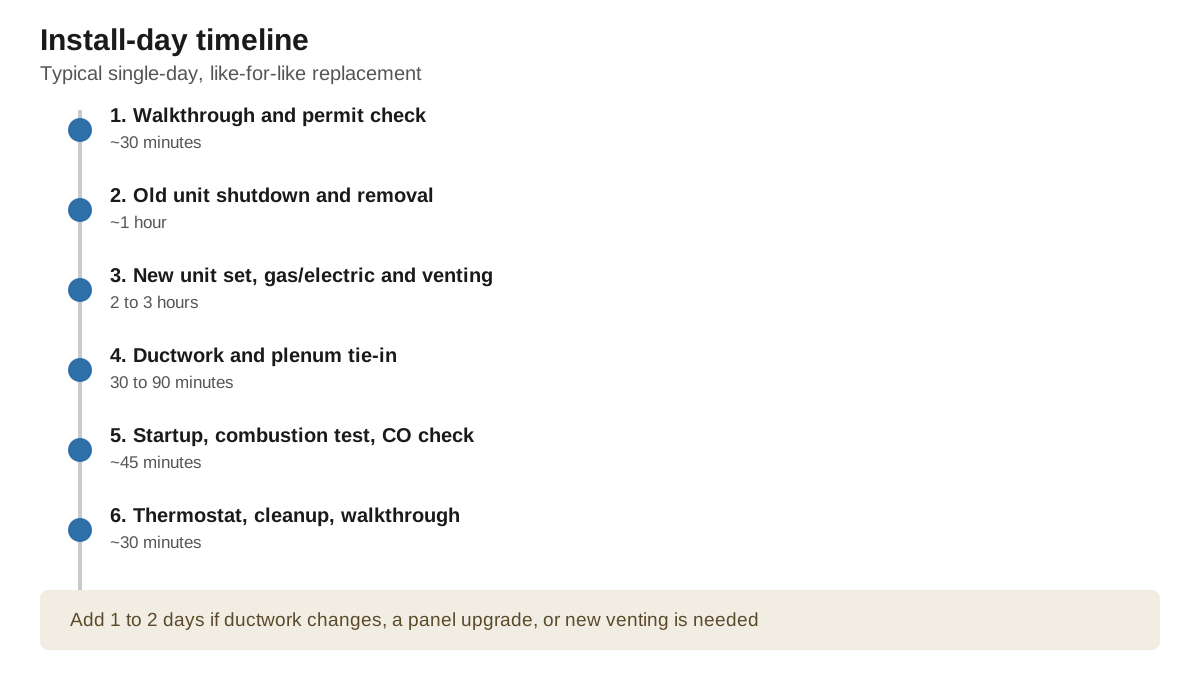
A straightforward, like-for-like furnace installation in an existing mechanical closet usually takes a single day, four to eight hours of labor. Anything that adds ductwork changes, an efficiency-tier jump that requires new venting, or an electrical panel upgrade can stretch the job to two or three days.
- Load calculation and equipment selection, ideally a Manual J rather than a straight swap of the old model's BTU rating.
- Permit pulled with the local building department for the gas, electrical, or venting work involved.
- Old unit shut down, disconnected from gas or electric, and removed along with the old venting if it's being replaced.
- New furnace set in place, then connected to the gas line or electrical circuit, ductwork plenum, and flue or PVC venting.
- Condensate line run for high-efficiency units, with a trap and, in unheated spaces, insulation or heat tape.
- Startup and combustion testing, checking gas pressure against the unit's nameplate spec (natural gas equipment is commonly set to around 3.5 inches of water column at the manifold; propane runs higher, closer to 10 to 11 inches), temperature rise across the heat exchanger (the difference between supply and return air temperature, used to confirm the furnace is firing correctly), and carbon monoxide levels at the flue.
- Thermostat wiring checked or replaced (low-voltage, typically 24 volts AC, separate from the furnace's own 120- or 240-volt power circuit), filter installed, and a walkthrough of the new controls.
- Final inspection by the local jurisdiction, which every gas or electrical furnace permit should include.
That final inspection is the step homeowners skip most often when they hire off a marketplace app instead of a licensed local contractor, and it's the one that protects you if something about the install is wrong. A permit and a passed inspection are what stand between you and an insurance company asking hard questions after a fire or a carbon monoxide incident.
What You Can Do Yourself and Where That Ends
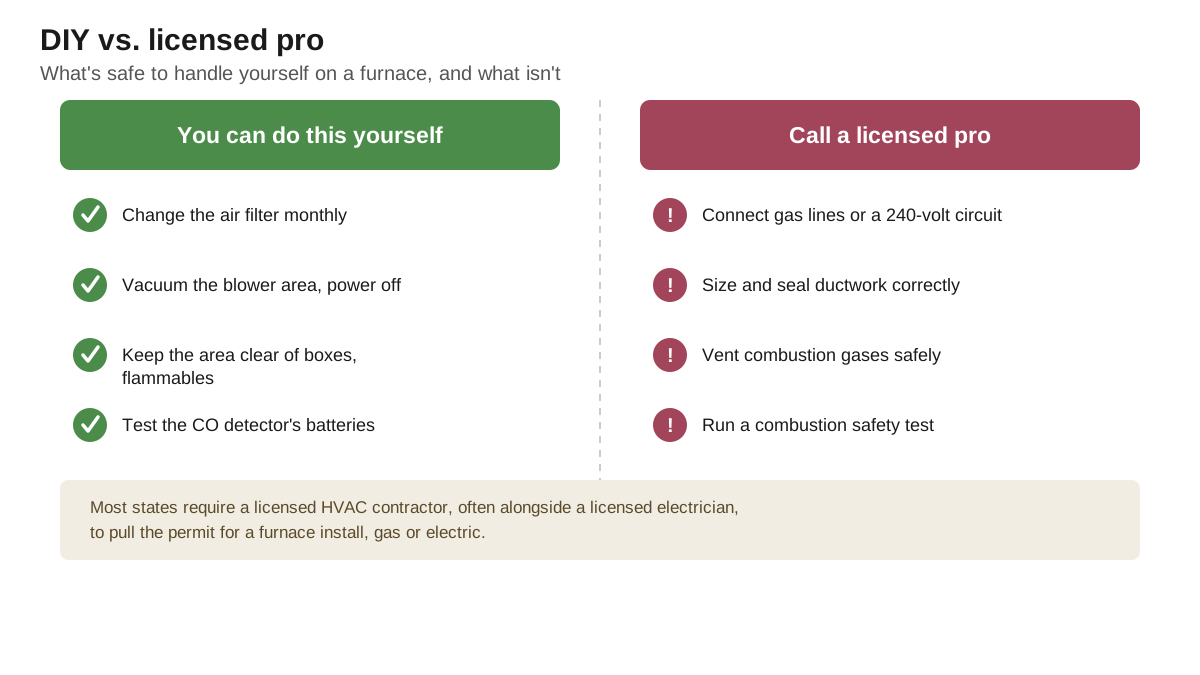
Homeowners can handle real maintenance without touching gas lines or electrical circuits: changing the air filter monthly during heating season (residential filters are rated on the MERV scale, which runs from 1 to 16, and come in standard nominal sizes such as 16x25x1 or 20x25x1 inches), vacuuming dust from a visible blower compartment with the power off, keeping the area around the furnace clear of stored boxes and flammables, and testing that the carbon monoxide detector near the furnace still has working batteries. None of that requires a license.
Installing the furnace itself is a different category. It typically involves connecting a gas line or a 240-volt electrical circuit, sizing and sealing ductwork, venting combustion gases safely out of the house, and running a combustion safety test (checking flue gases for carbon monoxide and confirming proper draft) that most homeowners don't own the equipment to perform. Most states require a licensed HVAC contractor, and often a separate licensed electrician or plumber for the utility connections, to pull the permit in the first place, which means a fully DIY install may not even be legal where you live regardless of skill.
Fire departments across the country respond to an estimated annual average of 44,210 home structure fires caused by heating equipment, resulting in about 480 deaths, 1,370 injuries, and more than a billion dollars in property damage each year, according to a National Fire Protection Association analysis of 2016 to 2020 data. A more recent NFPA release covering 2019 to 2023 puts the annual average at 38,881 fires. Furnaces sit inside that broader heating-equipment category alongside space heaters and fireplaces, and improper installation or venting is a recurring factor investigators cite.
If you smell gas near the furnace, leave the house immediately, don't flip any switches or light anything, and call your gas utility's emergency line from outside before you call anyone else.
Short of that, a homeowner's real DIY ceiling is diagnosis, not repair: knowing enough to tell a technician "it's not igniting" versus "it's blowing cold air" saves a service call from turning into a wasted trip. If your furnace has stopped working entirely and you're trying to figure out whether it's a simple fix, this breakdown of common furnace failures walks through the most likely causes before you call anyone. And if the issue can't wait until morning, the guide to what actually counts as an HVAC emergency covers gas smell, no heat in freezing weather, and the handful of situations that justify an after-hours call.
How to Get Furnace Quotes You Can Actually Compare
Every quote should include the same basic elements: equipment make, model, and AFUE rating; a load calculation or at least a stated BTU output and the reasoning behind it; a full labor and materials breakdown; permit costs; old-unit removal; and a written warranty period for both parts and labor, since those often differ.
Credentials worth checking
Look for a technician certified through NATE (North American Technician Excellence); its Certified HVAC Professional pathway requires passing five separate 30-question exams, covering HVAC fundamentals, electrical and controls, comfort and airflow, installation, and service, before certification, with recertification every two years documented by 16 hours of continuing education or a retake of the specialty exam, inside a 120-day grace period. If the job involves refrigerant work on a combined system, EPA Section 608 certification (Type I, Type II, Type III, or Universal, depending on the equipment) is legally required under the Clean Air Act (40 CFR Part 82, Subpart F) for anyone handling refrigerant, though it doesn't apply to a furnace-only swap with no AC coil involved.
Confirm the contractor's state or local license number and general liability insurance (coverage that protects you if the crew damages your property or someone gets hurt on the job) before any work starts, and ask for proof rather than taking their word for it. A company that hesitates to provide either is a company you don't want touching your gas line.
Get at least two, ideally three, written estimates before deciding. Compare them line by line, not just the bottom number: a $500 gap can hide a real difference in equipment tier, ductwork scope, or warranty length, or it can just be one contractor padding the margin. For a broader rundown of red flags and the exact questions to ask before you hire anyone in this trade, the guide to choosing an HVAC contractor goes deeper than the basics covered here.
Regional Notes: Freeze Belt, Mild Climates and Fuel Availability
Furnace decisions look different depending on where the house sits. In the freeze belt, the upper Midwest, the Northeast, and the northern Mountain West, a furnace isn't optional equipment, and undersizing risk outweighs oversizing risk, since a unit that can't keep up on the coldest night of the year is a real problem, not an inconvenience. Contractors in these regions tend to size closer to the higher end of a Manual J range and lean toward higher AFUE units, since a longer heating season, more heating degree days (the standard measure of how much heating a climate demands over a year), means fuel savings from a higher-efficiency unit add up faster.
Oil furnaces, the most expensive fuel type in the cost data above at $6,700 to $10,000 or more installed, are concentrated almost entirely in older housing stock in the Northeast, where fuel-oil delivery infrastructure already exists from before natural gas lines reached many streets. If gas service has since become available nearby, converting from oil to gas is a separate cost most surveys don't isolate, and it's worth asking a contractor to quote both a like-for-like oil replacement and a gas conversion side by side.
In milder climates across the South and parts of the West, a furnace runs far fewer hours per year, which changes the efficiency math: the payback period on a premium 96%+ AFUE unit stretches out when the furnace barely runs from November to February. Many homeowners in these regions are better served pairing a smaller, standard-efficiency furnace with a heat pump for the bulk of the heating load, an option covered in more detail in the heat pump troubleshooting guide if you're weighing it.
Whatever the climate, ductwork condition matters more in a house with an unconditioned attic or crawlspace, where leaky supply runs lose conditioned air to the outdoors before it ever reaches a room. A duct inspection alongside the furnace quote can catch that before it becomes a comfort complaint six months after the new unit is running.
Rebates, Financing and Legitimate Ways to Cut the Cost
The data behind this guide doesn't include rebate or tax-credit dollar amounts, and those change often enough by state and utility that a specific figure here would be stale within months. What's stable: ask your gas or electric utility directly whether it offers a rebate for high-efficiency equipment, and ask your contractor whether the unit you're considering qualifies for any current federal tax credit, since eligibility depends on the specific AFUE and model number, not just the fuel type.
Financing is common and not inherently a bad option for an unexpected expense in the $2,800 to $7,500 range, but read the terms closely. A 0% promotional rate that reverts to a high deferred-interest rate, meaning interest has been accruing quietly from day one and gets charged in full if the balance isn't paid off by the deadline, can turn a good deal into an expensive mistake. Compare the total cost of financing against paying cash or using a lower-rate personal line of credit before signing.
Does insurance cover furnace replacement?
Typically not for ordinary wear and mechanical failure. A standard homeowners policy generally covers a furnace when it's damaged by a covered peril, fire, a falling tree, a burst pipe flooding the mechanical room, but not when it simply reaches the end of its service life. If your furnace failed alongside storm or water damage elsewhere in the house, mention it to your adjuster specifically; it may be covered under that claim even though a standalone breakdown wouldn't be.
The most reliable way to lower the real cost isn't chasing a rebate, it's regular maintenance that extends the unit you already have and catches a $150 repair before it becomes a $2,800 replacement. The seasonal HVAC maintenance checklist covers what to do and when, furnace included, and it costs a lot less than a service call in January.
Frequently asked questions
How much should a new furnace cost?
A new furnace installed typically costs $2,800 to $7,500, averaging around $4,800 to $4,814 depending on which national survey you check (Fixr and HomeAdvisor, both 2026). Electric units land at the low end, oil furnaces at the high end, with natural gas and propane in between. Your actual number depends on fuel type, unit size, efficiency rating, and how much ductwork or electrical work the job needs, so treat any range here as a starting point, not a quote.
How much does a new furnace cost to install?
Installation, meaning the labor plus the equipment, is already included in the $2,800 to $7,500 national range from Fixr and the $2,823 to $6,897 range from HomeAdvisor. Labor alone typically runs 10% to 40% of the total, or roughly $75 to $150 an hour, on top of permits ($50 to $1,500) and old-unit removal ($60 to $330). Ask for those broken out separately on your written estimate so you can see what you're actually paying for.
How long does it take to install a furnace?
A straightforward, like-for-like replacement usually takes a single day, roughly four to eight hours of labor. The timeline stretches to two or three days if the job includes ductwork modifications, an electrical panel upgrade, or a jump to a high-efficiency unit that needs new PVC venting instead of a metal flue. Ask your contractor upfront whether your specific situation is a same-day job or a multi-day one before you schedule around it.
Can I install my own furnace?
Legally, in most states, no, at least not the gas or electrical connections and the permit that has to accompany them. A licensed HVAC contractor, often alongside a licensed electrician, is required to pull the permit for most furnace installs, and skipping that step can complicate a homeowners insurance claim if something goes wrong later. Homeowners can handle filter changes, keeping the area clear, and basic maintenance safely on their own.
Is it hard to install a furnace yourself?
Technically and legally, yes. Beyond the permit requirement most jurisdictions enforce, a proper install involves gas or high-voltage electrical connections, sizing and sealing ductwork correctly, venting combustion gases safely, and running a combustion safety test with equipment most homeowners don't own. A mistake in any of those steps can mean a carbon monoxide leak or a fire risk, which is exactly the kind of failure the safety data on this page is built around.
Does insurance cover furnace replacement?
Usually not for ordinary wear or mechanical failure. A standard homeowners policy typically covers a furnace when a named peril, like fire, a falling tree, or a burst pipe, causes the damage, but not when it simply reaches the end of its service life. If your furnace failed alongside other storm or water damage in the house, mention it to your adjuster specifically since it may be covered under that broader claim.
What does a new furnace cost for a mobile home?
The cost data behind this guide doesn't break out mobile or manufactured-home pricing specifically, and it's worth knowing that many manufactured homes require furnace models certified to HUD standards rather than standard residential units, which can affect both price and which contractors are qualified to install one. Get quotes from installers who specifically service manufactured housing in your area rather than assuming standard furnace pricing applies.
How much does a new HVAC system cost compared to just a furnace?
A furnace-only replacement averages $4,800 to $4,814 nationally (Fixr, HomeAdvisor). A full HVAC swap that adds central air conditioning brings HomeAdvisor's AC installation average of $5,977 into the picture as well, and many contractors discount doing both systems in the same visit since some labor and access costs overlap. The data pack doesn't include a bundled combo figure, so get that specific number in writing rather than adding the two averages yourself.
What's the difference between a gas furnace and an electric furnace on cost?
Electric furnaces install for less, $1,800 to $7,300 per Fixr versus $3,800 to $10,000 for natural gas, mainly because they skip the venting, gas line, and combustion safety work a gas unit needs. The tradeoff shows up later: electricity is typically the pricier fuel to run per BTU in most of the country, so a cheaper electric install can mean higher monthly heating bills over the furnace's 15-to-20-year life.
How much does the average new furnace cost, including installation?
Including installation, most homeowners spend between $2,800 and $7,500, with national averages landing at $4,800 (Fixr) and $4,814 (HomeAdvisor) for 2026. That figure already includes standard labor; it typically doesn't include permits, old-unit disposal, or ductwork repairs, which show up as separate line items on a detailed estimate. Ask for those itemized rather than folded into one lump sum so you can compare quotes accurately.
Sources and further reading
- Cost to Install a Furnace — HomeAdvisor, Updated June 17, 2026
- Furnace Replacement Cost — Fixr, Updated January 28, 2026
- HVAC Repair Cost — HomeGuide, July 31, 2025
- Cost to Repair a Furnace — HomeAdvisor, Updated June 20, 2026
- Furnace Repair Cost — Fixr, Updated August 29, 2025
- Cost to Install an AC Unit — HomeAdvisor, Updated June 17, 2026
- Certified HVAC Professional (CHP-5) — NATE (North American Technician Excellence)
- Technical Manuals (Manual J, S, D) — ACCA
- Section 608 Technician Certification — U.S. Environmental Protection Agency
- Home Heating Fires — National Fire Protection Association, December 2022
People also search for
new furnace costfurnace installation costfurnace replacement costis furnace repair worth itfurnace not workinghow to choose an hvac contractornate certified hvac technicianhvac maintenance checklistfurnace tune up costduct cleaning costgas smell in houseemergency hvac repairheat pump vs furnaceac not coolingthermostat not workingtrane vs carrier vs lennox furnacemini split installation costcommercial furnace replacementblower motor replacement costhvac guides