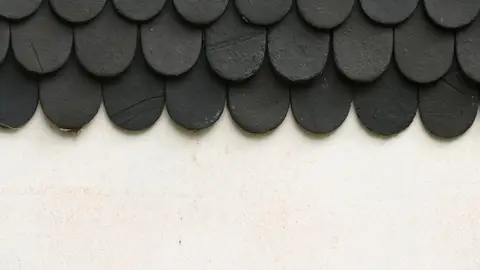
Yes, tile roof repair usually fixes cracked, slipped or missing clay and concrete tiles without a full re-roof, since the tile is a rain-shedding overlay, not the waterproof layer itself. A handful of broken tiles typically costs a few hundred dollars; a leak traced to failed underlayment beneath sound-looking tiles costs more and takes longer. A local written estimate settles which one you're dealing with.
A cracked roof tile rarely means what it looks like from the driveway. Clay and concrete tile are hard, brittle and individually replaceable, which is the whole point of the system: a few broken pieces after a ladder mishap, a fallen branch or a hailstorm don't have to turn into a full re-roof the way a torn asphalt shingle sometimes does. What actually determines the bill is whether the damage stops at the tile itself or reaches the underlayment and decking underneath it, and that isn't something you can tell from the ground.
This guide walks through how tile roof repair actually works: why tiles crack, slip or leak in the first place, how clay and concrete tile behave differently once something's wrong, how to diagnose a problem without climbing up and making it worse, what repair and full tile roof replacement cost look like nationally, and when the job stops being a homeowner's to attempt at all. None of it assumes you already know roofing. All of it assumes the roof is tile, which changes almost every answer.
What Tile Roof Repair Actually Covers
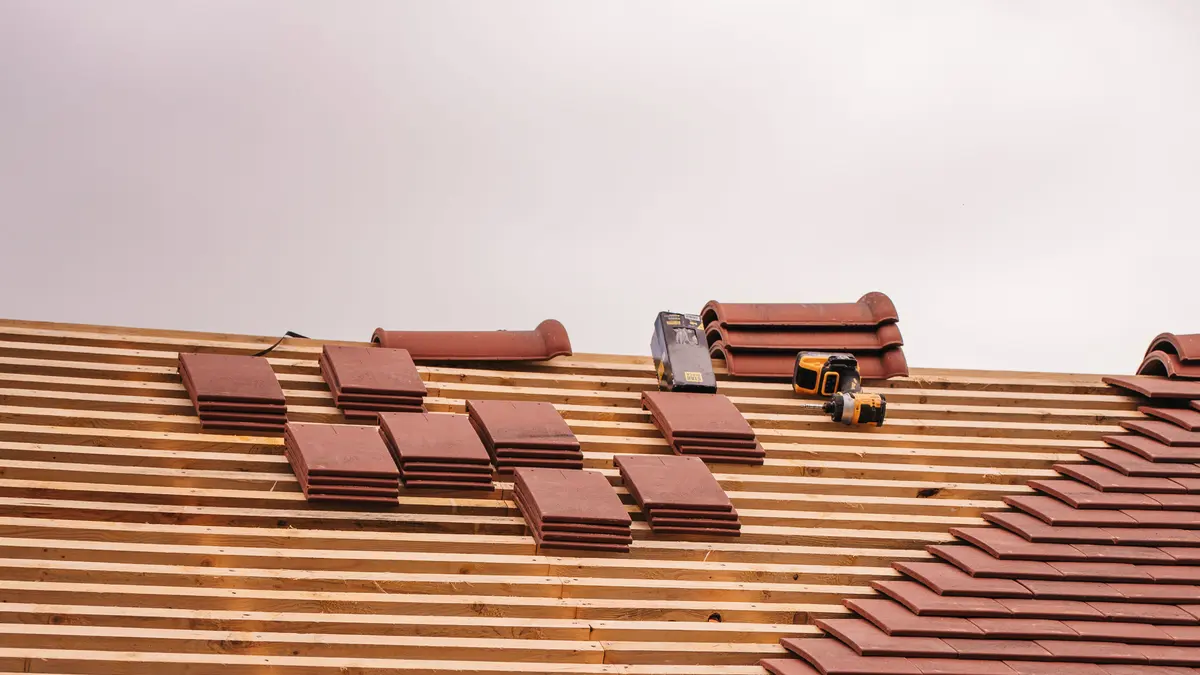
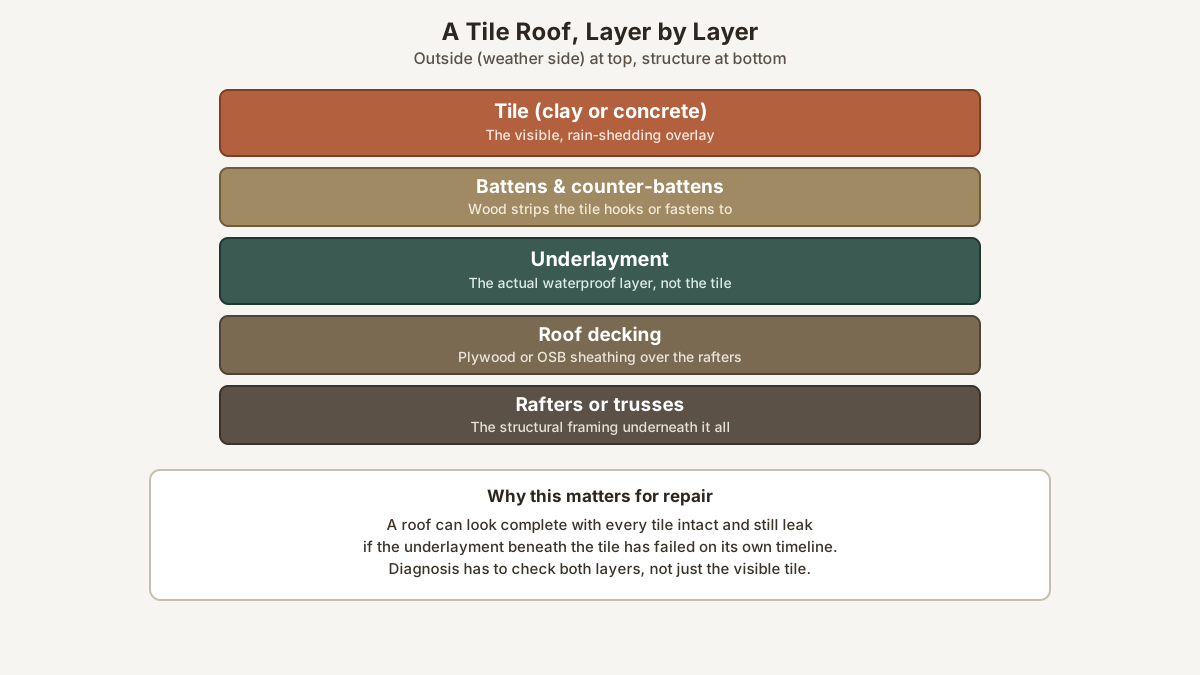
Tile roof repair covers more ground than most homeowners expect, because clay and concrete tile are engineered to be worked on tile by tile rather than replaced as one continuous sheet the way asphalt shingles usually are. The tile is the visible rain-shedding layer; the underlayment underneath is the roof's actual waterproof barrier. A cracked field tile can often be swapped on its own. A run of loose or slipped tiles usually points to failed battens or fasteners underneath, not the tiles themselves. And a leak that shows up as a ceiling stain two rooms away from the visible crack is almost always an underlayment problem, not a tile problem, because the underlayment, not the tile, is what actually keeps water out.
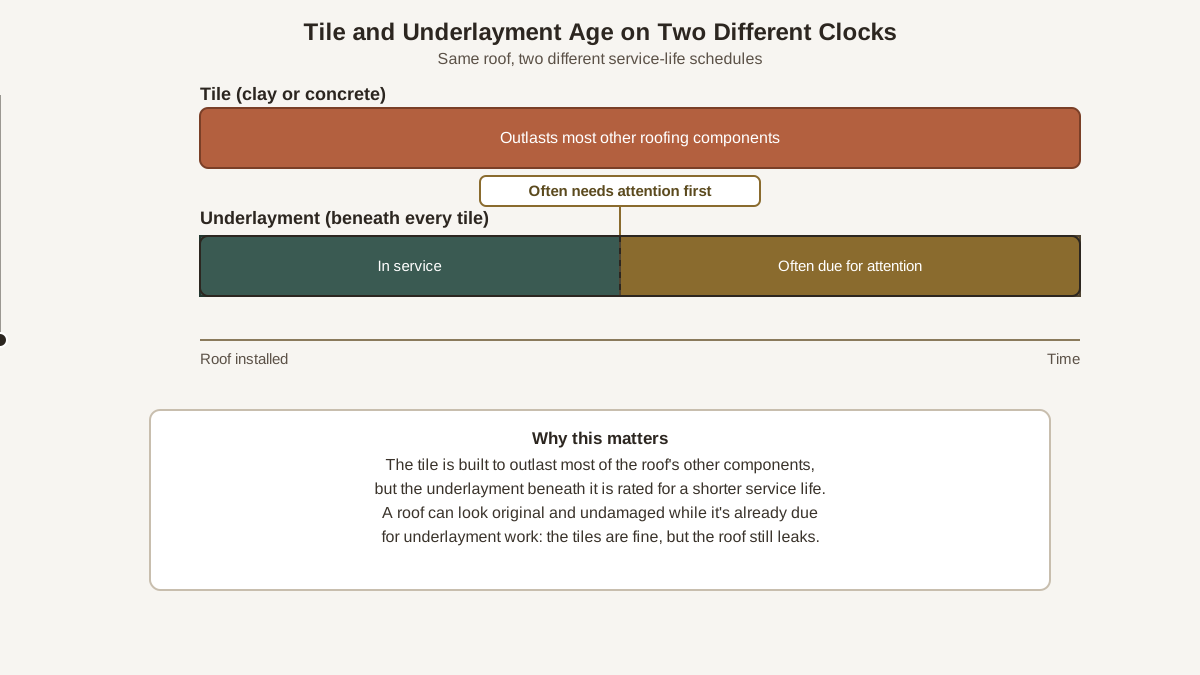
That underlayment detail is worth repeating: the tiles are a rain-shedding overlay, not the waterproof layer. A synthetic or modified-bitumen underlayment sits directly on the decking, under every tile on the roof, and it's rated for a service life that typically runs shorter than the tiles above it. A repair that only replaces broken tiles without checking what's underneath can leave a roof that looks fixed and still leaks at the next hard rain. Good tile roof repair work always separates two questions: are the tiles themselves damaged, and is the layer underneath them still doing its job.
In practice, a tile roof repair job usually falls into one of four buckets: a handful of cracked or missing field tiles, capping and ridge mortar that's crumbled loose at the roof's peaks and edges, flashing repair around chimneys, vents or skylights, or underlayment work that requires lifting and resetting tile across a larger area. Knowing which bucket you're in before you call anyone changes both the price and how urgent the call is.
Why Tile Roofs Crack, Slip and Leak
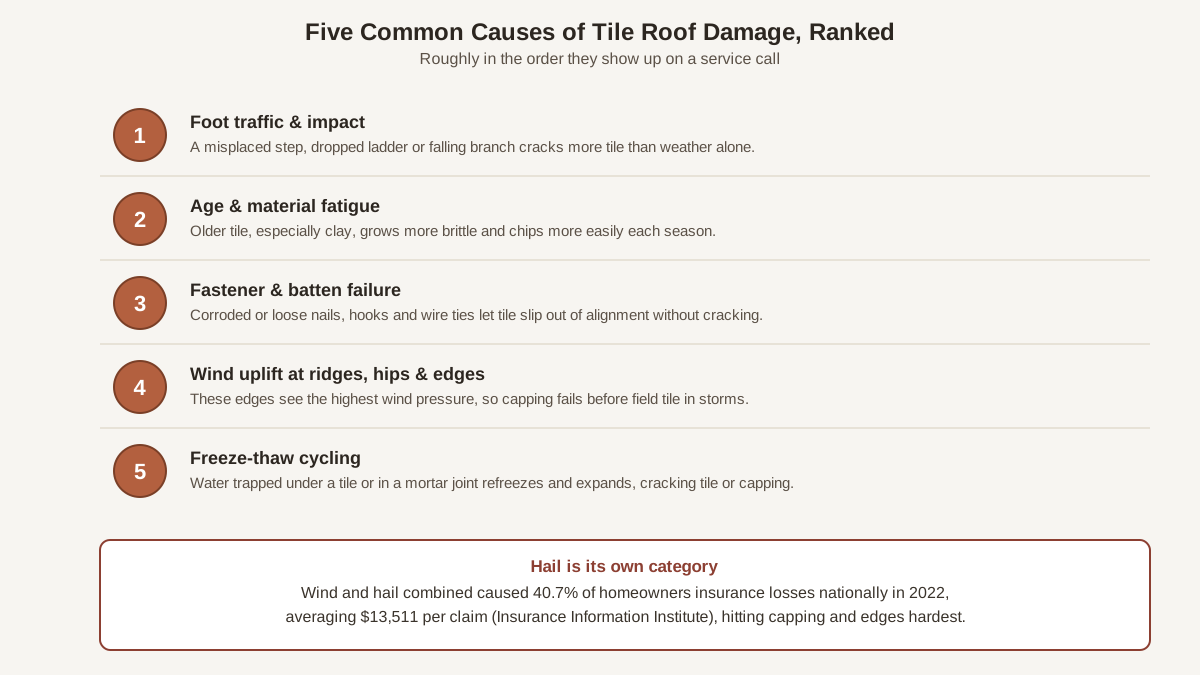
Most tile damage traces back to a short list of causes, roughly in order of how often they show up on a service call.
Foot traffic and impact: a technician, painter or homeowner walking the wrong spot on a tile, a falling branch or a dropped ladder cracks more tile than weather alone does.
Age and material fatigue: tile is built to outlast most of the roof's other components, but older tile, especially clay, grows more brittle and chips more easily with each passing season.
Fastener and batten failure: the nails, hooks or wire ties holding tile to the batten corrode or work loose over time, which is what causes tile to slip out of alignment without cracking at all.
Wind uplift at ridges, hips and edges: these edge tiles see the highest wind pressure on the roof, so capping and perimeter tile fail before field tile in most storms.
Freeze-thaw cycling: water that gets under a tile or into a mortar joint and then drops below 32°F and refreezes, expanding enough to crack tile or push capping loose, which is why cold climates see more capping failures than warmer ones.
Hail is its own category. NOAA's Storm Prediction Center recorded 5,432 major hail events nationally in 2025, up slightly from 5,373 in 2024, with Texas, Kansas, Oklahoma, Nebraska and Missouri seeing the most, according to Insurance Information Institute data citing that count. Severe hail is defined as 1 inch in diameter or larger, and significant severe hail starts at 2 inches, per NOAA's own criteria.
In 2022, wind and hail combined accounted for 40.7% of homeowners insurance losses nationally, and the average claim severity for that category ran $13,511 over the 2018–2022 period, according to the Insurance Information Institute. Tile resists hail better than asphalt in most impacts, but it isn't exempt from that exposure, especially at the capping and edge tile that wind targets first.
Wind and hail combined caused 40.7% of homeowners insurance losses in 2022, averaging $13,511 per claim, according to the Insurance Information Institute.
Clay vs. Concrete Tile: Why the Material Changes the Repair
The clay vs concrete tile question isn't just a color and style decision; it changes how a repair gets priced, sourced and executed. Clay tile, the classic Spanish- and Mission-style barrel and flat profiles, is fired earth, generally lighter than concrete, and tends to hold its fired-in color for the life of the roof. It's also more brittle, which means it cracks more readily under a misplaced foot or a hard hail impact than concrete does.
Concrete tile is heavier, generally more impact-resistant, and often less expensive per square than clay, but its color usually comes from a surface coating or integral pigment that can fade, chalk or develop efflorescence, a white mineral bloom, over the decades even while the tile stays structurally sound. Matching replacement tile by material and manufacturer, not just by looking similar in a photo, matters more with concrete, because a different mix or coating batch can leave a visibly different patch even when the profile lines up.
Weight is the detail that trips up the most homeowners: concrete tile roofs typically load a structure more heavily than clay, and both load it far more heavily than asphalt shingles, which is one reason a structural check sometimes gets added to a tile reroof that a shingle reroof would never need. If you're weighing a repair against tile roof replacement cost on an older home, ask whether the original roof structure was engineered for tile in the first place or whether tile was added later over a roof built for something lighter.
How to Diagnose a Tile Roof Problem Without Getting Hurt
Diagnosing tile roof damage safely starts from the ground and the attic, not the roof surface, since walking on tile roof areas you don't have to is the easiest way to turn one repair into several. A pair of binoculars and a flashlight handles most of the diagnostic work before a ladder ever comes out, and any ladder that does come out belongs at the standard 4-to-1 angle: roughly 1 foot of base offset for every 4 feet of height, not leaned steeply against the eave.
Walk the property perimeter and look up at the roof with binoculars, noting any tile that looks cracked, displaced or missing compared to the tile around it.
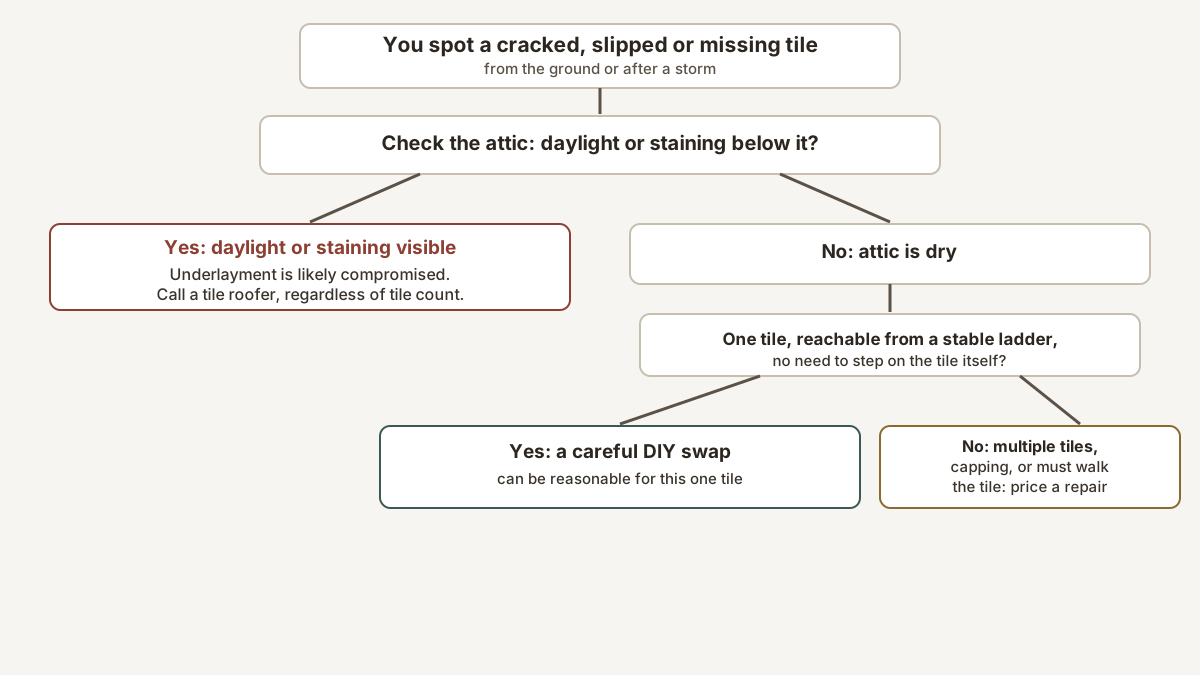
Check the attic on a dry day for daylight coming through the decking, dark staining on the underside of the sheathing, or damp insulation, all signs the underlayment has already failed somewhere above.
Trace any interior ceiling stain to its likely upslope source rather than assuming the leak sits directly above the stain; water travels along the underlayment before it drips through.
Photograph everything visible from the ground, the attic and a stable ladder at the eave, including a wide shot showing how many tiles are affected and where.
Call a roofing contractor experienced with tile specifically to confirm the diagnosis on the roof itself; this is where DIY inspection should stop for anything beyond a single, obviously cracked tile within easy, safe reach.
One more thing worth checking before anyone gets on the roof: tile roofs hide their real condition better than shingle roofs do. A roof can look complete and undamaged from the street while the underlayment underneath is well past its rated life, because the tile itself, especially concrete, tends to outlast that layer by a wide margin. That's part of why a periodic professional roof inspection matters more for tile than for many other roofing materials, even when nothing looks obviously wrong.
Fixing Cracked, Slipped and Missing Tiles: DIY vs. Pro
What actually gets fixed, and by whom, depends on where the damage sits and what's underneath it. Check the attic before deciding: daylight or staining means the underlayment needs a professional look, regardless of tile count. A single cracked field tile, reachable safely from a stable ladder without stepping onto surrounding tile, is about the only tile roof repair job most homeowners should attempt themselves. Nearly everything else on a tile roof benefits from a crew that works tile specifically, not just roofing in general, because lifting and resetting tile without cracking the ones next to it takes practice most general contractors haven't had.
Situation
DIY-safe?
Why
Photographing damage from the ground or attic
Yes
No specialized tools or roof access needed
One accessible cracked tile, reachable from a stable ladder
Sometimes
Doable with care, but a wrong step cracks neighboring tile
Repointing ridge or hip capping mortar
No
Needs the right mortar mix and bedding technique to shed water
Resetting a slipped tile that hasn't cracked
No, in practice
Battens and fasteners underneath are hidden until a tile is lifted
Underlayment failure below sound-looking tile
No
Requires removing and resetting tile in sequence without breaking it
Multiple slopes or a full tile roof replacement
No
Structural, safety and warranty considerations beyond homeowner tools
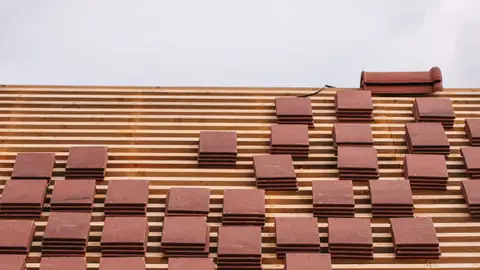
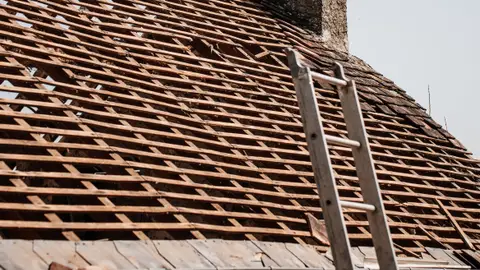
For the jobs that need a professional, a good tile crew follows a fairly consistent sequence: lift the tile around the damaged area from the ridge down using a flat pry tool, inspect and repair the batten, fastener and underlayment underneath, then reset the same tile, or matched replacements, in the original overlap pattern rather than caulking or sealing over the surface. Caulking over a cracked tile or crumbling mortar joint is the shortcut that shows up again and again in failed repairs, because it traps water against materials meant to shed it, not seal it.
Missing tile gets replaced the same way, matched by profile, color and material as closely as possible. An exact match isn't always available for an older or discontinued tile line, which is one more reason to keep a few spare tiles on hand after any tile roof job, so a future repair doesn't turn into a search for a matching batch years later.
How Long a Tile Roof Actually Lasts
Tile roof lifespan is the main reason the material costs more upfront than asphalt shingles and still gets specified on new builds across the Sun Belt: none of the national cost surveys behind this guide publish a hard lifespan number, but every one of them prices tile as the longest-lived common roofing material on the market, which is the whole economic case for choosing it over asphalt in the first place. That premium buys a roof that's still doing its job long after a shingle roof next door has been torn off and replaced, sometimes more than once.
The catch is that tile lifespan and underlayment lifespan run on two different clocks on the same roof. Underlayment is rated for a shorter service life than the tile sitting on top of it, so a roof that looks original and undamaged from the curb can still be due for underlayment work, a job that means lifting and resetting the existing tile rather than tearing the whole roof off and starting over. Homeowners in that situation often describe it the same way: the tiles are fine, but the roof still leaks.
What actually shortens tile roof lifespan in practice is less about the tile material failing and more about everything around it: foot traffic that cracks tile one piece at a time over the years, fasteners and battens that corrode faster than the tile weathers, and capping or flashing details that were never quite right from the original install. A roof with consistent, careful repairs over its life, rather than years of deferred maintenance, is the one that gets the most out of the tile itself.
Tile and underlayment wear out on different schedules: a roof can look original while the underlayment underneath is already due for attention.
What Tile Roof Repair and Replacement Cost
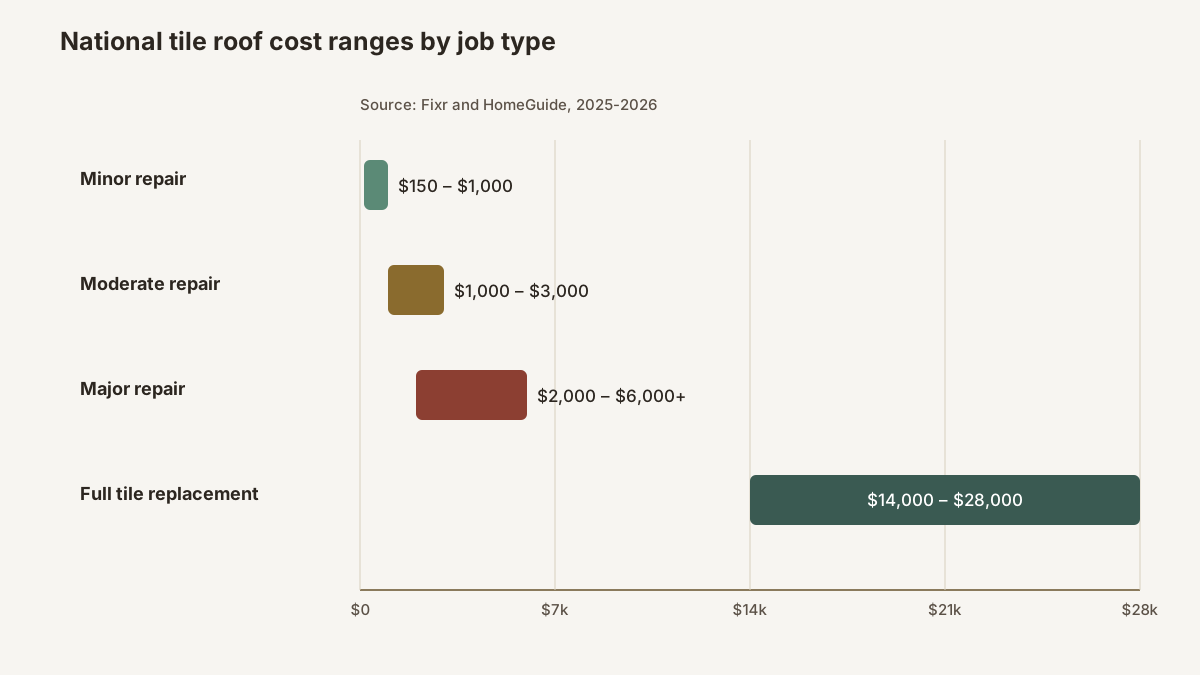
Cost depends on scope, whether the job is routine wear or storm damage, tile material, roof pitch and how much underlayment needs opening up, not on how big the crack looks from the driveway. Roofers typically price by the square, roofing shorthand for 100 square feet of roof area, so a quote broken out that way is easier to compare across bids. These figures come from multiple 2025 and 2026 national contractor-cost surveys, not one company's price list, so treat them as a way to sanity-check a quote rather than as a quote themselves. Minor tile repairs run a few hundred dollars; a full tile roof replacement on an average home runs $14,000 to $28,000.
Job type
Typical range
What moves the price
Source
Minor repair (a few cracked or slipped tiles)
$150 – $1,000
Number of tiles, roof pitch, ladder or lift access
Fixr, 2026
Moderate repair (capping, larger tile area)
$1,000 – $3,000
Area affected, decking exposure once tile is lifted
Fixr, 2026
Major repair (extensive cracking, underlayment failure)
$2,000 – $6,000+
Square footage of underlayment replaced, tile sourcing
Fixr, 2026
Average tile repair job / overall repair range
$1,000 average; $150 – $8,000 range
Everything above, blended nationally
HomeAdvisor, 2026
Tile materials only, per square (100 sq ft)
$300 – $2,500
Clay vs. concrete, profile, brand
HomeGuide, 2025
Tile roof installed, per sq ft
$7 – $25
Material, pitch, tear-off vs. new construction
HomeGuide & HomeAdvisor
Full tile roof replacement, about 1,700 sq ft
$14,000 – $28,000
Roof size, tile type, structural bracing if needed
Fixr, 2026
Roof inspection before committing to repair
$100 – $600
Inspection depth, whether a written report is included
This Old House, 2026
Emergency or after-hours dispatch
+$100 – $300 on top of the repair
Same-day, weekend or storm-surge demand
Fixr, 2026
How we got these numbers: the table blends several 2025 and 2026 national contractor-cost surveys rather than one publisher's price sheet, since individual sites weight sample size and region differently. None of these sources publish a regional price index for tile specifically, so a written local estimate is what actually prices your roof, not this table; use it to spot a quote that looks unusually high or low, not to skip getting one. These are researched ranges built from published cost surveys, not a quote for your roof, and the number that actually applies varies by region, roof access and how much damage shows up once tile is lifted; that's exactly what a local written estimate prices and a national table can't.
For context, Fixr's same 2026 survey prices a full asphalt shingle replacement on a comparable 1,700-square-foot roof at $6,000 to $10,000, well below tile's $14,000 to $28,000 for that identical size, which is the trade-off buyers are making for tile's much longer service life and different look. That gap is also why comparing tile roof replacement cost against a shingle quote from the same company isn't always apples to apples unless both bids specify the same underlayment and flashing work.
When Tile Roof Damage Is an Emergency
Most tile roof repair work can wait for a scheduled appointment. A few situations cannot. Active water intrusion during or right after a storm, a large section of missing tile exposing bare underlayment or decking, or storm damage with more rain in the forecast all cross into emergency territory, where a delay of even a day or two can turn a contained repair into a ceiling and insulation replacement as well.
If tile is missing and you can see exposed underlayment or decking with more weather on the way, call 888-679-3798 and describe what you're seeing, roughly how many tiles are affected, and whether rain is expected, so a roofing contractor that serves your area can tell you whether the situation needs a same-day tarp or can hold for a scheduled repair visit.
Never walk out onto a wet, icy, mossy or steeply pitched tile roof to inspect or patch it yourself; tile is slick when wet and breaks underfoot in ways that put you through the roof as often as they put you on the ground below it. A temporary tarp set from a ladder and secured at the eave, without anyone walking the tile surface, can hold water out until a crew arrives if the exposed area is large. Our emergency roof repair and tarping guide covers how to do that from the ground and eave safely, and our hail damage roof repair guide walks through documenting storm damage for an insurance claim if that's what caused it.
Choosing a Roofer for Tile Work
Tile work looks like general roofing from the ground, which is exactly why so many homeowners hire a crew with little tile-specific experience and end up with more cracked tile after the repair than before it. A few checks handle most of that risk.
Ask directly how much tile-specific experience the crew has, not just general roofing experience; walking, lifting and resetting tile without breaking it is a different skill than shingle work.
Confirm an active contractor license through your state's licensing board before signing anything; requirements and lookup tools vary by state, so search "[your state] contractor license lookup" if you don't already know the agency.
Ask for proof of general liability and workers' compensation insurance, and verify it's still active with the insurer before work starts, not just a verbal assurance from the salesperson.
Look for crews trained through the National Roofing Contractors Association or working within a manufacturer program such as Owens Corning's Preferred Contractor Network, both of which set training and workmanship standards beyond a basic license.
Get a written estimate naming the tile profile and material being matched, the scope of underlayment work if any, a timeline, and what happens if hidden decking damage turns up once tile comes off.
Get at least two written estimates for anything beyond a single accessible tile, since tile-specific pricing varies more between crews than general roofing pricing does. If you'd rather start with a phone conversation than a search, 888-679-3798 connects you with a roofing contractor that serves your area and works with tile. Our full guide to choosing a roofing contractor covers the licensing and insurance checks in more depth for any roofing material.
Preventing the Next Cracked or Slipped Tile
Most future tile roof repair calls trace back to a short list of preventable causes, which makes prevention mostly about limiting who and what gets on the roof rather than treating the tile itself.
Keep foot traffic off the roof for anything that doesn't require it directly; ask painters, satellite or antenna installers and holiday-light crews whether they've worked tile before, and consider scheduling those jobs around a roofer instead.
Trim back branches that overhang the roof, since falling limbs and even repeated branch-scraping in wind crack more tile than most homeowners expect.
Keep gutters and valleys clear so water doesn't back up under the tile edge, a common cause of hidden underlayment damage that shows up as a leak years later. Our gutter installation guide covers sizing gutters correctly for a tile roof's higher water volume.
Schedule a professional inspection every few years, more often after a major storm, so a slipped tile or a small mortar crack gets caught before a hard rain finds it.
Keep a few spare tiles matched to your roof on hand after any repair or reroof, since older or discontinued profiles get harder to match every year that passes.
None of this eliminates the need for tile roof repair eventually. Tile is durable, not indestructible, and a roof exposed to decades of weather, foot traffic and the occasional falling branch is going to need attention somewhere along the way. The goal of prevention is keeping those repairs small, scheduled and cheap instead of large, urgent and expensive.
Regional Notes: Hail Belt, Hurricane Coast and Freeze-Thaw Climates
Tile roofing shows up most in three climate zones, and each one stresses the roof differently. In hail-prone regions such as Texas, Kansas, Oklahoma, Nebraska and Missouri, the states that saw the most major hail events nationally in 2025 according to NOAA Storm Prediction Center data, concrete tile generally resists hail impact better than clay, though both can crack under a large enough stone. That's also the part of the country where a roofer's hail-specific experience is worth asking about directly, since not every crew that installs tile also files hail claims regularly.
Along the hurricane coast, wind uplift at ridges, hips and roof edges is the bigger threat than direct impact, which is why properly fastened capping and edge tile matter more there than tile thickness alone. The same wind-and-hail exposure covered above hits coastal capping and perimeter tile hardest, since that's where uplift pressure concentrates first, and a tile roof with intact capping and correctly rated fasteners handles a storm season better than one with years of deferred mortar and fastener maintenance.
In freeze-thaw climates, the risk shifts from impact and wind to water that gets under a tile or into a mortar joint and then refreezes, expanding enough to crack the tile or push capping loose over a winter. Homeowners in these climates typically see more capping and ridge repairs relative to field-tile cracking than homeowners in warmer regions do, since freeze-thaw cycling targets the mortar joints specifically rather than the tile field.
Frequently asked questions
Can a tile roof be repaired, or does one cracked tile mean a full replacement?+
One cracked tile almost never means a full replacement. Clay and concrete tile roofs are built to be worked on tile by tile, so a cracked or slipped tile is usually a same-day swap. Replacement becomes the better option once a large share of the tile is original and brittle with age, or once the underlayment beneath it has failed across most of the roof rather than in one spot.
How do you repair a tile roof leak?+
A tile roof leak repair starts by finding where water actually enters, often several courses upslope from the interior stain, since water runs under tile before it drips through. A roofer lifts the tile around that path, checks the underlayment and flashing for the real failure point, patches or replaces that layer, then resets the tile rather than sealing over the surface.
How do you repair broken capping or ridge mortar on a tile roof?+
Cracked ridge or hip capping is usually re-bedded in fresh mortar or a flexible ridge adhesive after the old, crumbling mortar is chipped out, not smeared over. Skipping that step and caulking over cracked mortar traps moisture instead of shedding it, a common shortcut that fails again within a season or two.
How do you replace a single roof tile?+
A single tile is lifted with a flat pry tool from the tile above it, working from the ridge down, without stepping directly on the tile being removed. The replacement tile is fitted under the course above and hooked or nailed the same way the original was, matching profile and color. It looks simple from a ladder, which is exactly why walking on tile roof surfaces the wrong way breaks more tile than it fixes.
How long should a tile roof last?+
Tile roof lifespan is one of the material's biggest selling points: clay and concrete tile are priced and marketed as the longest-lived common roofing option, which is why they cost more upfront than asphalt shingles. The tile itself typically outlasts the underlayment underneath it, which is why a roof that looks fine from the curb can still need underlayment work someday even with every original tile intact.
How much does tile roof repair cost?+
Nationally, tile roof repair specifically averages around $1,000, within a typical overall repair project range of $150 to $8,000 depending on scope, according to HomeAdvisor and Fixr survey data. A handful of cracked tiles falls at the low end; a leak requiring opened-up underlayment falls toward the middle or higher.
How much does tile roof replacement cost?+
A full tile roof replacement on a roughly 1,700-square-foot home runs about $14,000 to $28,000, according to Fixr's 2026 cost data, well above asphalt shingles but reflecting tile's much longer service life. Installed cost per square foot generally runs $7 to $25 depending on tile type, roof pitch and local labor rates.
How much does it cost to fix one broken roof tile?+
No national figure isolates the cost of exactly one tile, but a single-tile swap almost always falls at the low end of the minor-repair range, $150 to $1,000 per Fixr's 2026 data, and many roofers fold one or two tiles into a service-call minimum rather than pricing them individually.
How long does it take to replace a full tile roof?+
There's no national survey pinning an exact number of days, but a full tile roof replacement reliably takes longer than an asphalt reroof of the same size, since each tile course is set and aligned by hand rather than nailed in continuous rows. Crew size, roof complexity, weather and whether the decking needs repair once old tile comes off all move the timeline; ask your contractor for their projected schedule in writing.
Is it safe to walk on a tile roof yourself?+
Walking on tile roof surfaces without training is one of the fastest ways to turn one cracked tile into a dozen, since most tile is only rated to support weight directly over the battens and fastening points, not the middle of the tile. If you need to inspect damage, use binoculars from the ground or a stable ladder at the eave instead.
What's the difference between repairing clay tile and concrete tile?+
Clay tile is more brittle and typically lighter than concrete tile, so it cracks more easily under impact or foot traffic but tends to hold its color and shape longer. Concrete tile is heavier and more impact-resistant but can fade or develop surface efflorescence over time. Matching replacement tile by material, not just color, keeps the roof structurally and visually consistent.
How do you know it's time to replace a tile roof instead of repairing it?+
Replacement usually makes more sense than another round of tile roof repair once the underlayment has failed in multiple areas rather than one, once matching replacement tile is hard to source for an older discontinued profile, or once repair costs on an aging roof start approaching what a full tile roof replacement cost would run over the next few years.