A flooded basement needs three things right away: get people and pets out of the water, cut power to the area at the breaker if it's safe to reach, and start removing water within hours, since standing water breeds mold and bacteria fast. Call a restoration company if the water came from a drain or sewer, or covers more than an inch of floor.
Basement flooding is one of those home problems where the first thirty minutes matter more than the next thirty days. Whether it's two inches from a storm or eight inches from a failed sump pump, the questions are the same: is it safe, what do I do first, what will this cost, and will insurance actually pay for any of it.
This guide walks through all four, in the order you'll actually need them: safety and the first hour, what causes basement flooding and how to tell what you're dealing with, drying it out yourself versus calling a water damage restoration company, what the cleanup actually costs, and what a standard homeowners policy does and doesn't cover. It draws on IICRC restoration standards and public guidance from FEMA, the EPA, and the National Flood Insurance Program, not guesswork.
What Counts as a Flooded Basement (And Why the Water Type Matters)
A flooded basement isn't one problem, it's three or four different problems wearing the same wet carpet. The amount of water matters, but what's actually in that water matters more. A half inch from a sump pump that couldn't keep up on a rainy Tuesday is a different job than four inches of sewage backing up through a floor drain, even though both look like "the basement flooded" from the top of the stairs.
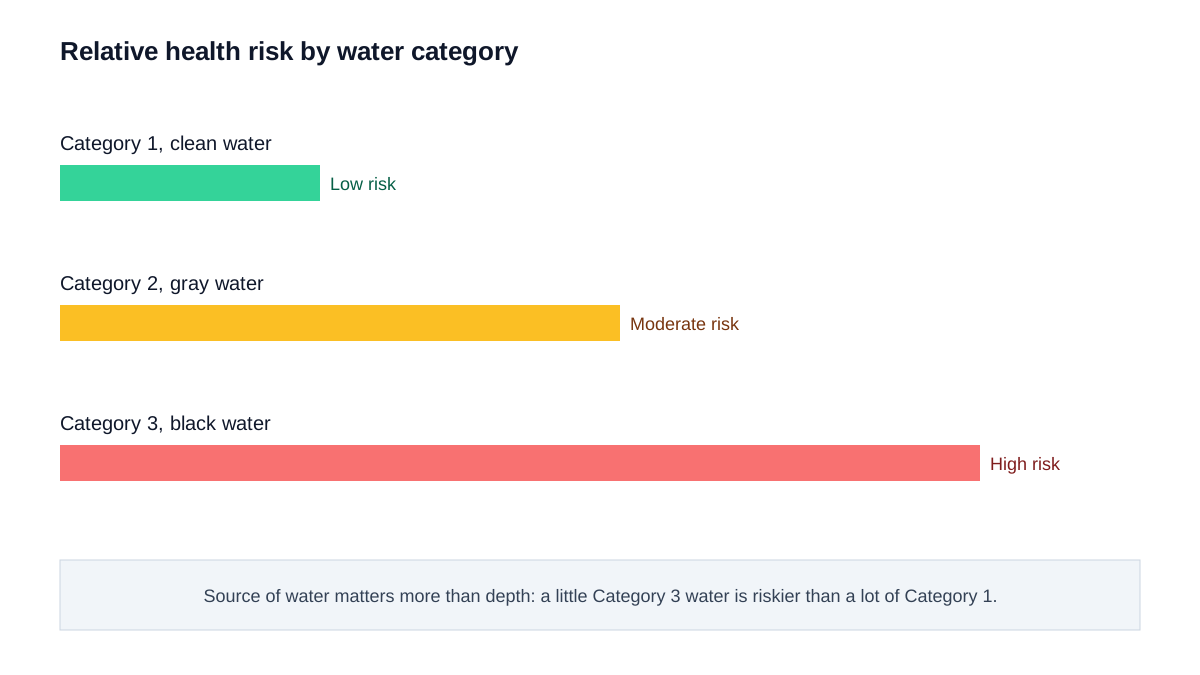
Restoration crews sort water into three categories, and the category decides almost everything else about the cleanup. Category 1 water starts clean, from a supply line, a water heater, or rain that hasn't touched the ground. Category 2 water, sometimes called gray water, carries some contamination, think washing machine discharge or a sump pump sitting in dirty groundwater. Category 3 water is grossly contaminated: sewage, floodwater from outside, or any water that has sat for more than about two days. Two inches of standing water in basement space that's Category 1 and caught same-day is a weekend project. The same two inches of Category 3 water is not a do-it-yourself situation at all.
Category
Typical source
Contamination level
What it means for cleanup
Category 1 (clean)
Supply line break, water heater failure, rain before it touches soil
Clean at the source
Often dryable without discarding materials if caught within 24 to 48 hours
Category 2 (gray)
Washing machine or dishwasher discharge, a sump pump backup, water that has sat and started growing organisms
Contains contaminants that can cause illness
Needs antimicrobial cleaning; porous materials in contact often get discarded
Category 3 (black)
Sewer backup, storm or river floodwater, standing water roughly 48 to 72 hours or older
Grossly contaminated, may carry pathogens
Handled by trained crews in protective gear; most porous materials touched by the water are removed, not dried
This framework comes from the IICRC's S500 standard, and it's worth learning because it's the first question any competent restoration company will ask: what's in the water, and how long has it been sitting there.
Relative health risk by water category: clean, gray, and black water carry very different risks and cleanup requirements.
Is a Flooded Basement Dangerous? What You're Actually Dealing With
Short answer: yes, more often than people expect, and not always for the reason they think. Electrical shock is the fastest way a flooded basement turns into an emergency room visit, especially in finished basements with outlets low on the wall or a cord running to a freezer or dehumidifier. Water conducts, and a basement with an inch of water covering a baseboard outlet is a live hazard until the circuit is confirmed dead.
Never step into standing water in a flooded basement if there's any chance it's touching an outlet, cord, or appliance until you've confirmed the power to that area is off at the breaker. If you can't tell which breaker controls the wet area, treat the whole panel as suspect and call an electrician or your utility before wading in, not after.
Beyond electricity, the risks scale with water category. Category 2 and 3 water can carry bacteria, parasites, and in sewage cases, pathogens that cause real illness through open cuts, mouth contact, or prolonged skin exposure; the CDC's guidance on floodwater treats contact with sewage-contaminated water as a genuine infection risk, not just an inconvenience. Standing water in basement conditions that sits for more than a day or two also starts feeding mold spores that are already present in nearly every home; most mold guidance, including the EPA's, treats roughly 24 to 48 hours as the window before growth becomes likely on wet drywall or wood. Slips are the quiet risk nobody mentions, wet concrete stairs, a floor drain you can't see, boxes gone soft underfoot.
Basements with a furnace, water heater, or other gas appliance add a combustion-safety layer too. If a gas appliance has been standing in water, don't try to relight a pilot light yourself; call the gas utility or an HVAC technician to inspect it first.
What to Do in the First Few Hours
The first hour sets the tone for everything that follows. Move fast, but move safely, in roughly this order:
Get everyone, including pets, out of the water until you know it's safe.
Cut power to the flooded area at the breaker panel if you can reach it without stepping in water; if you can't, leave it and call an electrician or the utility.
Shut off the water source if this is a plumbing failure, a supply line, water heater, or washing machine, not a storm or groundwater event.
Take photos and a short video of the water level, what it's touching, and any visible damage before you move or discard anything.
Start removing water, a wet-dry shop vacuum for small amounts or a sump or utility pump for anything deeper than an inch or two.
Move furniture, boxes, and anything on the floor up onto blocks or out of the room entirely.
Open a path for airflow, windows if the weather allows it, fans and a dehumidifier once the power situation is confirmed safe.
One caution on that pumping step: if the water came from outside the house, storm runoff, a river, or ground that's saturated after days of rain, don't pump the basement bone-dry in one go. Removing water too fast while the soil outside is still saturated can crack or shift a foundation wall under the pressure difference, so bring the level down partway, let it settle for a bit, then finish the job. FEMA's flood guidance flags this same risk for any basement surrounded by high groundwater.
If the water is still coming in and you can't identify or stop the source, that's the moment to bring in help rather than keep bailing. Call 888-407-9931 and describe what you're seeing, water depth, whether it's still rising, what the room is used for, so a water damage restoration company that serves your area knows what to send and how fast.
Documentation matters almost as much as speed. Insurance adjusters and restoration estimators both work from what you can show them, not what you remember a week later. A few photos from the top of the stairs, a few close-ups of the waterline on the wall, and a video walking the perimeter cost two minutes and can be the difference between a smooth claim and a disputed one.
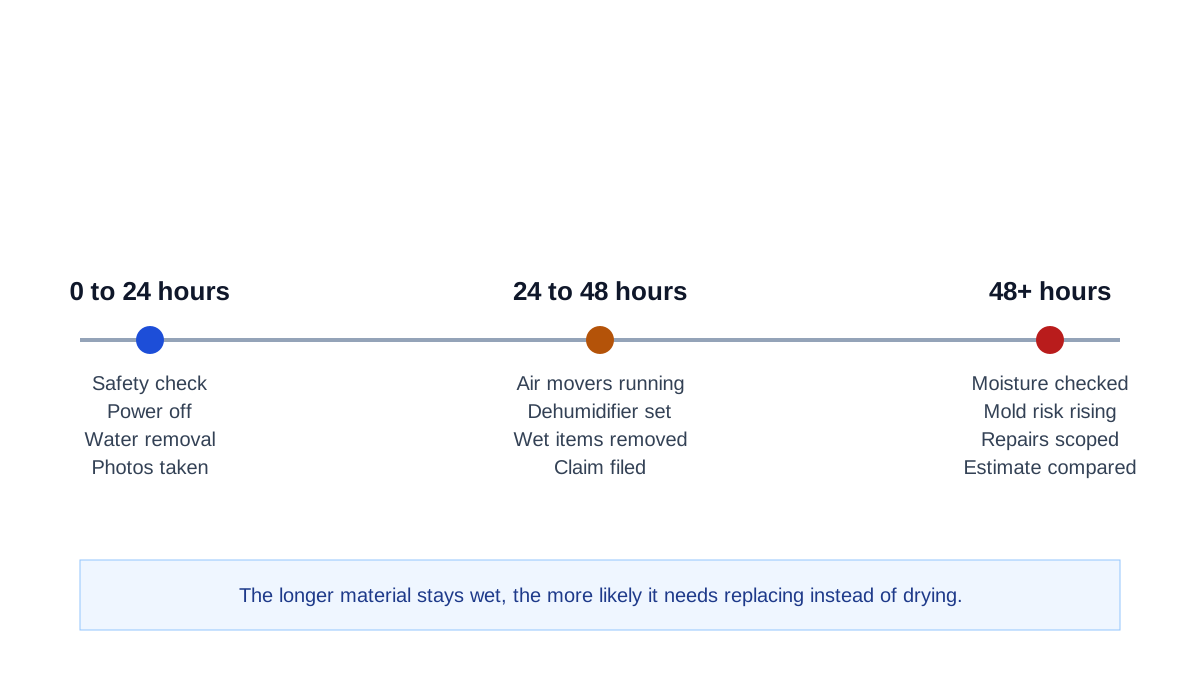
What happens in the first 24 hours, the next 24, and after 48 hours if the basement is not fully dry.
Why Basements Flood: The Causes, Ranked by How Often We See Them
Ranked roughly by how often each one shows up, from the calls restoration crews get most to least:
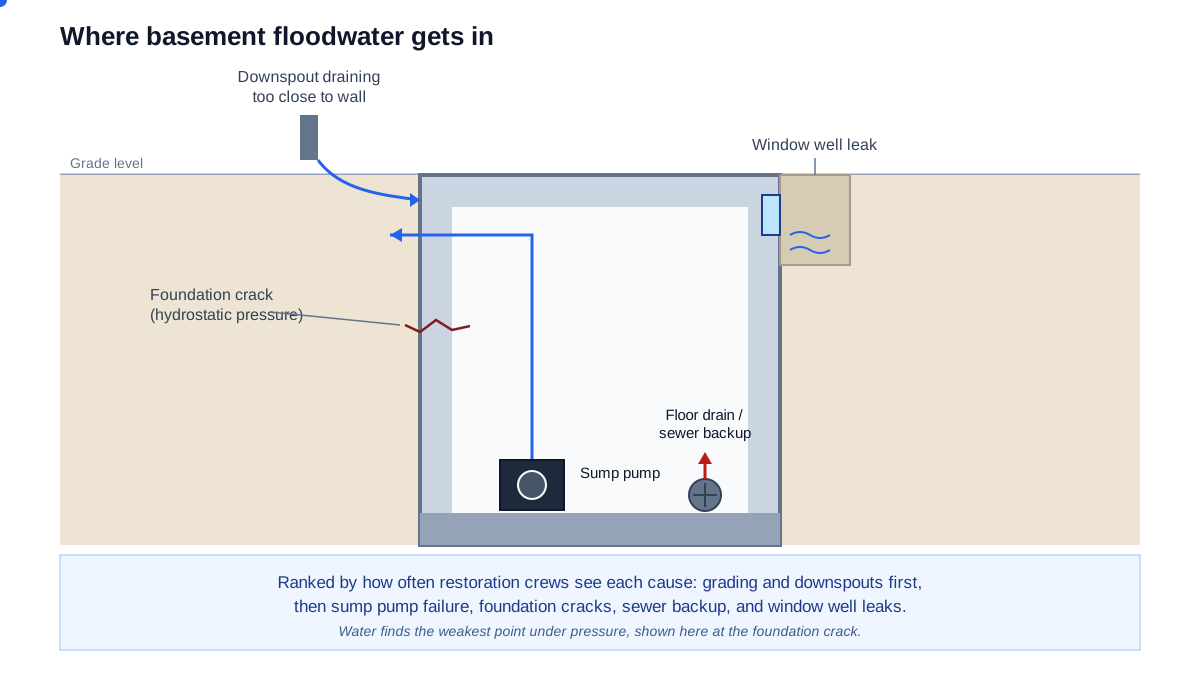
Heavy rain overwhelming grading or gutters. Water pools against the foundation because a downspout empties two feet from the wall, or the yard slopes toward the house instead of away from it. This is the most common cause of basement flooding after storms, and also the most preventable.
Sump pump failure. Power outages during storms, a stuck float switch, or a pump that's simply worn out. A pump can do everything right for years and fail on the one night it matters most.
Foundation cracks. Groundwater pushes against basement walls under hydrostatic pressure after saturated soil has nowhere else to go, finding the weakest point, a cove joint, a settlement crack, a poorly sealed window well.
Sewer or septic backup. Tree roots, aging municipal lines, or a system overwhelmed by heavy regional rain push wastewater back through the lowest drain in the house, usually a basement floor drain.
Supply line, water heater, or washing machine failure. A single point of failure, often while nobody's home, that can put out hundreds of gallons before anyone notices.
Window well or egress window leaks. A clogged well drain or a failed seal lets rain in directly, especially where a below-grade bedroom relies on an egress window for its required exit.
Snowmelt on frozen ground. A fast thaw on top of ground that's still frozen a few inches down has nowhere to soak in, so it runs straight to the foundation.
If you're asking why is my basement flooding when it rains specifically, the answer is almost always grading, gutters, or a sump pump that can't keep pace, not a mystery underground spring. That combination accounts for the large majority of storm-related basement flooding calls.
How basement floodwater actually gets in, from the most common cause (poor grading and downspouts) to less frequent ones like a sewer backup through the floor drain.
How to Figure Out Where the Water Is Coming From
FEMA's Ready.gov guidance on floods is blunt about it: don't guess at floodwater depth or what's in it, treat any water you can't explain as contaminated until you know otherwise. A few minutes of looking will still tell you most of what a technician would ask on the phone anyway.
Start with the water's location. Water pooling near a single wall or window well points to an exterior leak. Water coming up through a floor drain or spreading from the center of the room points to a sewer backup or a sump pump problem. Water near a water heater, washing machine, or utility sink usually means exactly what it looks like.
Check the color and smell. Clear water with no odor is more likely Category 1. Gray, soapy, or slightly cloudy water suggests Category 2. Water with a sewage smell, dark color, or visible waste is Category 3; treat it as contaminated and stay out of it beyond what's necessary to shut off a source.
Notice whether the sump pump is running. If you have one, watch whether it's cycling normally, silent, or running constantly without the water level dropping, each points to a different failure: no power, a stuck switch, or a pump simply overwhelmed by the volume coming in.
Factor in the weather and the neighborhood. If it's been raining hard for hours and neighbors on the same block are also dealing with water, that's a regional grading or municipal system issue, not something specific to your house that a quick fix will solve.
Write down what you find, water depth, color, where it's entering, whether it's still rising, before you make any calls. That five-minute inventory turns a vague "my basement flooded" into information a restoration company or an adjuster can actually act on.
How to Dry a Flooded Basement: DIY Steps and Where They Stop
Once the source is stopped and the power situation is confirmed safe, drying is a race against the clock. The first 24 to 48 hours decide whether this stays a cleanup job or turns into a mold remediation job.
How to Dry a Flooded Basement, Room by Room
Extract standing water first, a wet-dry vacuum for under an inch, a submersible or trash pump for more, working toward the floor drain or an exit point.
Remove wet carpet padding immediately, it rarely survives and holds water against the subfloor. Carpet itself can sometimes be saved if it's Category 1 water and pulled up to dry within a day.
Pull baseboards and drill small weep holes in the bottom of drywall if water wicked up the wall; this lets trapped moisture out of the wall cavity instead of sealing it in.
Set up air movers pointed at wet surfaces, not just into open space, and run a dehumidifier sized for the room, a small closet unit won't touch a 600 square foot basement.
Check moisture content with a meter if you have one, or by feel and smell after several days; wood and drywall should read dry, not just look dry, before anything gets closed back up or repainted.
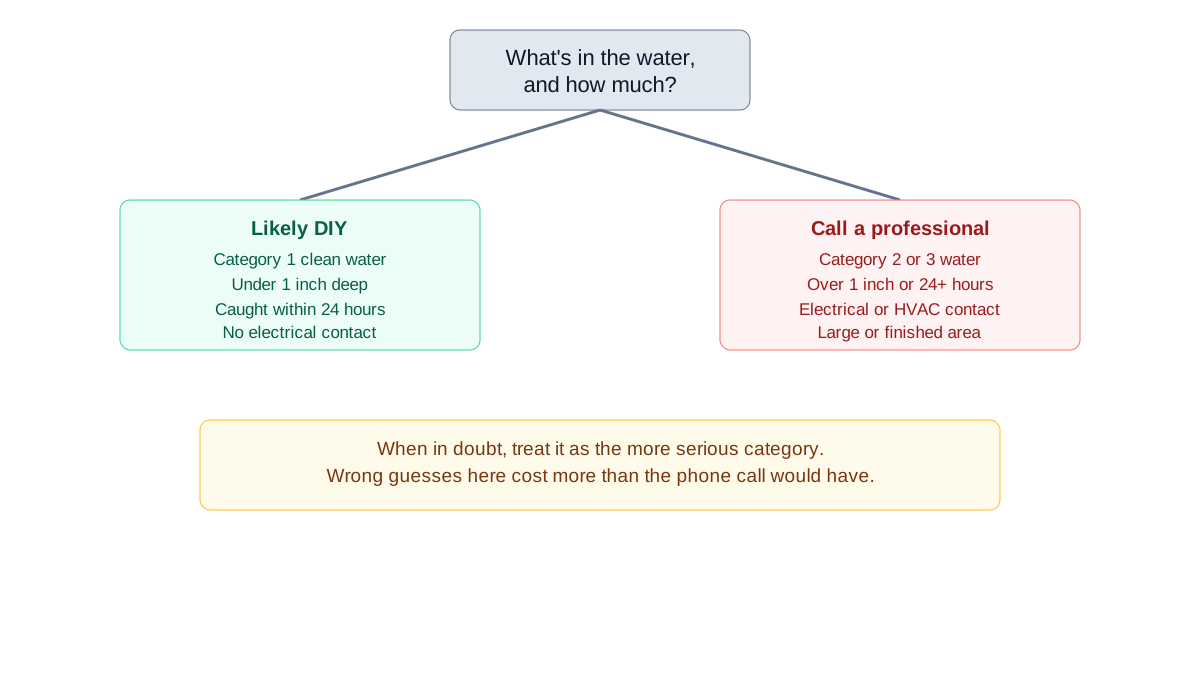
This is the part where a lot of homeowners do fine with a rented pump and a couple of box fans, for a small, clean-water event caught the same day. Where it stops being a DIY flooded basement cleanup and starts needing a professional: any Category 2 or 3 water, water that sat more than 24 to 48 hours, water that reached electrical systems or HVAC ductwork, or a footprint larger than a couple hundred square feet. The EPA draws its own line here too: mold covering more than about 10 square feet calls for a professional, not a DIY scrub with bleach. Professional crews bring commercial-grade air movers, low-grain-refrigerant dehumidifiers, and moisture meters that read inside wall cavities, not just the surface, along with the training to know when a wall or subfloor has to come out rather than just dry out. Before you hire anyone, verify the company's state contractor license is active and confirm their liability insurance is current, a legitimate crew will hand over both without hesitation. Our guide to the water damage restoration process walks through what a professional crew actually does, step by step, if you want the full picture.
Whether a flooded basement is a DIY job or one for a professional crew, based on water category, depth, time, and electrical contact.
What Flooded Basement Cleanup Costs (and Who to Call)
Who to call for a flooded basement depends on what's in the water and how much of it there is. A small, clean-water event might only need a wet-dry vacuum and a weekend. Anything involving sewage, a large area, or water that sat overnight generally needs a licensed water damage restoration company with the right equipment and, often, direct experience billing insurance.
Type basement flood cleanup cost into a search bar and you'll get numbers that don't agree with each other, because job size, water category, finished square footage, and how long the water sat all move the price in different directions. Rather than guess at a number that won't match your situation, here's what actually drives the cost of each stage.
Job type
What drives the price
Why it varies so much
Source
Water extraction and initial drying
Square footage, water depth, how many air movers and dehumidifiers the space needs
A 200 sq ft laundry room and an 800 sq ft finished basement aren't the same job
IICRC S500
Category 2/3 cleaning and sanitizing
Level of contamination, protective equipment needed, antimicrobial treatment of affected materials
Sewage and gray water jobs need extra steps clean water jobs skip entirely
IICRC S500
Structural drying (subfloor, framing, insulation)
How much building material got wet, whether drywall or insulation has to be cut out
Finished basements with insulated walls cost more to dry than open concrete
IICRC S500
Content pack-out and storage
Volume of belongings, how much is restorable versus a total loss
A basement used for storage costs more here than an empty mechanical room
IICRC S500
Mold remediation, if drying was delayed
Square footage of visible growth, how long the area stayed wet
This step often costs more than the original water extraction did
EPA mold guidance
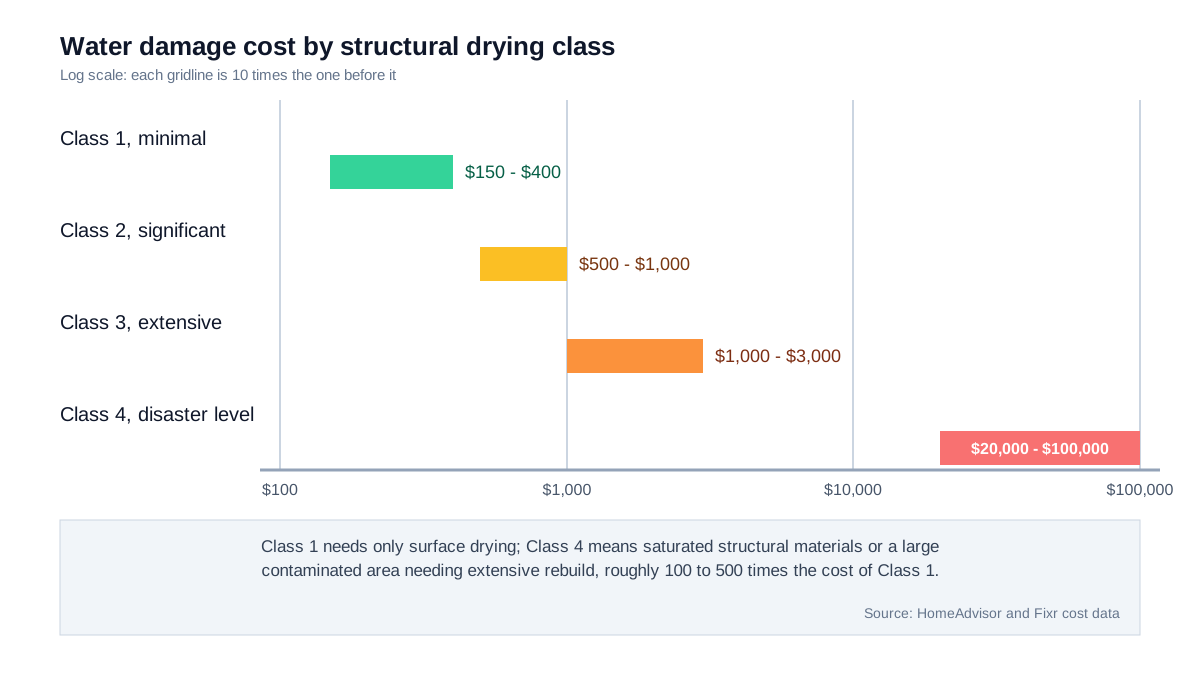
Real survey numbers show why no single figure fits every basement. HomeAdvisor's cost data puts the national average at $3,868, typically $1,383 to $6,369, while Fixr's survey averages lower at $3,000, typically $1,200 to $5,000. Basement jobs alone span $500 to $80,000 in HomeAdvisor's numbers, since a caught-fast sump pump overflow and a sewage-flooded finished basement aren't priced the same. Those are researched ranges pulled from published cost surveys, not a quote for your basement. Actual cost varies by region, how easy the crew can access the space, and how much damage they find once they start pulling up flooring or opening a wall.
The only number worth trusting is a written, itemized estimate from a company that has actually walked your basement and measured the moisture. Ask for it broken down by these categories rather than one lump figure; that's also what most insurance adjusters expect to see if you're filing a claim.
When you're ready to bring in help, look for IICRC-certified technicians, proof of liability insurance, and a company willing to put the scope of work in writing before they start. You can reach a water damage restoration company that serves your area at 888-407-9931 to describe the situation and ask what a walkthrough and estimate would involve. For a broader breakdown across job types, see our full water damage restoration cost guide.
Typical cost ranges by IICRC structural drying class, from minimal (Class 1) to disaster level (Class 4), per HomeAdvisor and Fixr cost data.
Is a Flooded Basement Covered by Insurance?
It depends entirely on where the water came from, which is the single most important thing to establish before you assume either way.
A standard HO-3 homeowners policy typically covers water damage that's sudden and accidental from an internal source, a burst supply line, a failed water heater, an overflowing washing machine. It typically excludes damage from surface water, flooding, or storm runoff that enters from outside, which instead falls under flood insurance through the National Flood Insurance Program or a private flood policy, not your homeowners policy. It also generally excludes gradual leaks, poor maintenance, or sewer backup unless you've added a specific sewer backup endorsement, which many homeowners don't have and don't discover until the day they need it.
So the same flooded basement can be covered, partly covered, or not covered at all depending on cause: a burst pipe, likely covered. A river overflowing its banks, not covered by homeowners insurance at all, that's a flood policy question. A sewer backup with no endorsement, likely denied. The Insurance Information Institute is a solid general reference for how these policy types differ if you want more background beyond your own declarations page.
Documentation checklist for any claim:
Photos and video taken before cleanup starts, including the waterline and anything damaged
A written list of damaged items with approximate age and value
The restoration company's moisture readings and daily drying logs, if you hire one
Receipts for any emergency mitigation you paid for yourself
The claim number and adjuster's direct contact information once you file
You're entitled to have your own public adjuster review the claim if you disagree with the insurance company's adjuster, though public adjusters typically work on a percentage of the settlement, worth weighing against a straightforward claim you could manage yourself. Our guide to water damage insurance claims walks through documentation and negotiation in more detail, and our breakdown of what homeowners insurance covers goes scenario by scenario if you want the full picture before you file.
How to Keep This From Happening Again
Most repeat flooding is preventable, and the fixes are ordinary home maintenance rather than a major project.
Grading and gutters solve more basement flooding than any other single fix. The ground should slope away from the foundation, not toward it, and downspouts should carry water several feet clear of the wall, not dump it three inches from the foundation the way a lot of builder-grade splash blocks do. Clean gutters twice a year so they're not overflowing straight down the foundation during the next storm.
Sump pump maintenance matters more than most homeowners realize until the pump fails. Test it a few times a year by pouring water into the pit, keep a battery backup on hand for power outages, since a pump that can't run during a storm is the same as not having one, and replace it once it's old and straining rather than waiting for it to quit during the next big rain.
Foundation crack sealing and window well covers close off two of the more common entry points. A crack that lets in a trickle during heavy rain will eventually let in more; sealing it early is cheaper than sealing it after it's widened.
A backwater valve on the main sewer line is worth asking a plumber about if you've had even one sewer backup, it's a one-way valve that stops wastewater from being pushed back into your house when the municipal system is overwhelmed. For a full room-by-room approach, our basement waterproofing guide covers interior and exterior systems in more depth, including when a French drain or exterior membrane makes sense versus simpler fixes.
Regional Notes: Freeze Country, Hurricane Coast, and Everywhere In Between
Basement flooding doesn't look the same everywhere, and the fix that matters most depends heavily on climate and geography.
In the freeze belt, upper Midwest, Northeast, and interior mountain regions, the two big risks are spring snowmelt hitting still-frozen ground with nowhere to soak in, and frozen or burst supply lines during deep cold snaps. Sump pumps in these regions do double duty most of the year and are worth extra attention before winter.
Along the hurricane coast, Gulf and Atlantic states, the dominant risk shifts to storm surge and sustained heavy rainfall overwhelming both grading and municipal storm systems at once, often bringing Category 3 water in from outside rather than an internal plumbing failure. Flood insurance through the NFIP matters far more here than in inland areas, since standard homeowners policies won't touch storm surge or floodwater at all.
In regions with heavy clay soil, common across much of the South and parts of the Midwest, hydrostatic pressure against foundation walls is the recurring issue rather than a single storm event; clay holds water and swells, pushing on walls for days after rain has stopped. Homes on a crawl space instead of a basement face a related but distinct version of this problem, worth a look at our crawl space flooding guide if that's your situation instead.
Whatever the region, the underlying math doesn't change: water finds the lowest point and the path of least resistance, and prevention is almost always cheaper than the cleanup that follows a flooded basement.
Frequently asked questions
How much does it cost to clean up a flooded basement?+
There's no single number, because cost depends on water category, square footage, and how long the water sat before cleanup started. A small, clean-water event might only need a rented pump and a few days of fans. A sewage backup across a finished basement, with structural drying and content pack-out, costs substantially more. Ask any restoration company for a written, itemized estimate broken down by extraction, drying, sanitizing, and repairs rather than trusting a number you found online.
Is a flooded basement dangerous?+
Yes, in several ways at once. Standing water near outlets, cords, or appliances is an electrical shock risk until power is confirmed off. Category 2 and 3 water can carry bacteria and pathogens, and any water left standing more than a day or two starts feeding mold growth. Wet stairs and hidden floor drains add a slip risk. Treat any basement flood as a safety situation first, cleanup second.
Is a flooded basement covered by insurance?+
It depends on the cause. A standard homeowners policy typically covers sudden internal failures, a burst pipe or failed water heater, but excludes flooding or storm runoff from outside, which needs separate flood insurance through the NFIP. Sewer backup is usually excluded unless you've added a specific endorsement. Document everything with photos before cleanup and check your policy's exact exclusions before assuming either way.
How do you dry out a flooded basement?+
Start by extracting standing water with a wet-dry vacuum or pump, then pull wet carpet padding and any baseboards that trapped moisture. Set up air movers aimed at wet surfaces and a dehumidifier sized for the room, and check moisture levels with a meter before closing anything back up. For clean water caught within a day, this is often manageable yourself. Category 2 or 3 water, or drying that's taking longer than 48 hours, usually needs a professional.
Can you walk in a flooded basement?+
Only after you've confirmed the power to that area is off at the breaker and you know what's in the water. Clean water from a supply line is lower risk once electricity is confirmed safe. Gray or black water, sewage, floodwater, or anything that's been sitting for days, should be avoided beyond what's necessary to shut off the source, and even then, boots and gloves are worth the extra minute.
Why is my basement flooding when it rains?+
Almost always grading, gutters, or a sump pump that can't keep pace, not a mystery underground spring. Water pooling against the foundation because a downspout empties too close to the house, or a yard that slopes toward it instead of away, accounts for most storm-related basement flooding. Check where your downspouts discharge and whether your sump pump is running before assuming you have a structural problem.
Should there be standing water in a basement floor drain?+
No, a floor drain should be dry or nearly dry between uses; standing water sitting in it can mean a partial clog, a dry trap that's let sewer gas back up, or early signs of a sewer backup. A small amount that drains within a few minutes after rain is usually normal drainage doing its job. Water that lingers, rises, or smells should be checked before it becomes a bigger backup.
Can standing water in a basement make you sick?+
It can, depending on what's in it. Category 2 and 3 water can carry bacteria, parasites, and in sewage cases, pathogens that cause real illness through cuts, mouth contact, or prolonged skin exposure. Standing water that's been sitting for more than a day or two also starts feeding mold growth, which brings its own respiratory risks. Gloves, boots, and getting the water out quickly reduce the risk considerably.
How can I prevent my basement from flooding again?+
Start with grading and gutters, the ground should slope away from the foundation and downspouts should discharge several feet out, since this fixes the majority of repeat basement flooding on its own. Test your sump pump a few times a year and keep a battery backup for power outages. A backwater valve on the sewer line and sealing any foundation cracks close off the other two common entry points.
Who do I call for a flooded basement?+
For a small, clean, contained event, a wet-dry vacuum and some fans may be all you need. For anything involving sewage, a large area, or water that sat overnight, call a water damage restoration company with IICRC-certified technicians and proof of insurance. A restoration company that serves your area can walk you through what to expect and provide a written estimate before starting work.