A sump pump overflow means the pit filled faster than the pump could empty it: a power outage, a stuck float switch, a frozen discharge line, or a pump too small for the storm. Cut power to anything submerged, switch on backup pumping if you have it, and call a restoration crew if water stands more than a day.
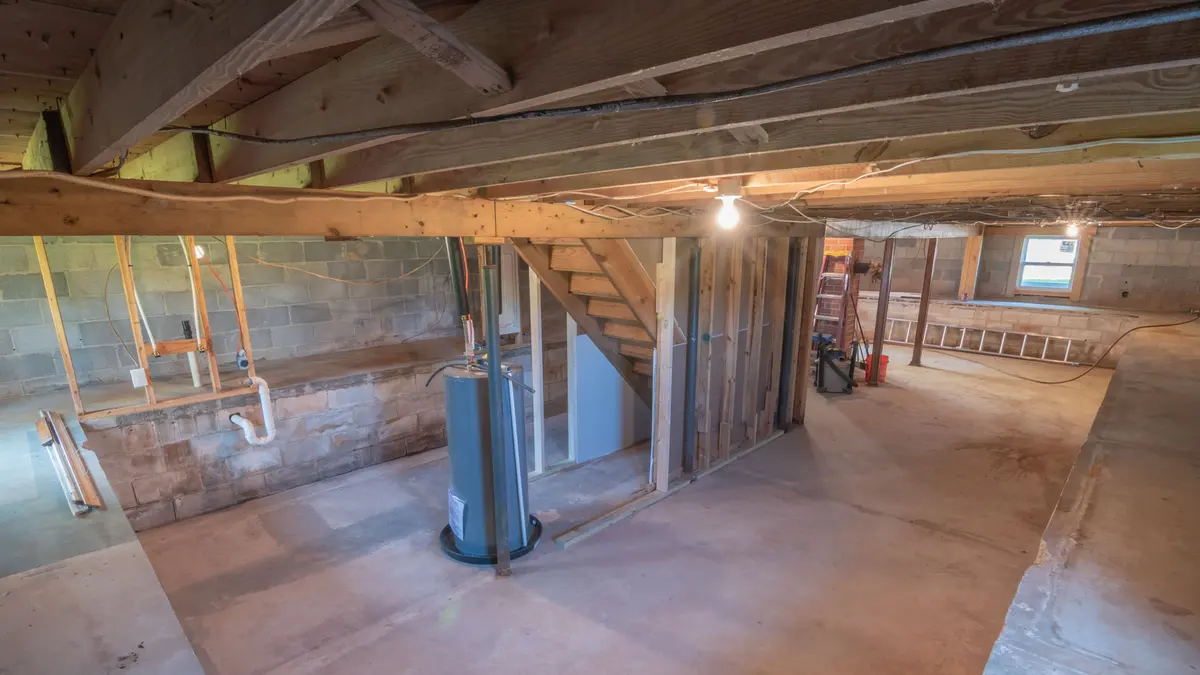
The first sign is usually a sound, not a sight: the pump motor straining, or worse, silence where a hum should be. Then the smell of wet concrete reaches the top of the basement stairs. A sump pump overflow is what happens next, water rises past the pit's rim faster than the system can move it out, and it starts spreading across the floor toward the furnace, the water heater, and whatever is stored in cardboard boxes along the wall.
It happens at the exact moment you can least afford it: a three-day storm that knocked out power to the block, a February freeze that sealed the discharge line shut, or a pump that has quietly been dying for a year and finally gave out during the heaviest rain of the season. None of those causes require flooding outside the house. A sump pump can overflow on a calm, sunny day if the float switch jams, and it can overflow during a hurricane even with a brand-new pump if the power goes first.
This guide walks through why it happens, what to check in the next fifteen minutes, what belongs to a professional restoration crew instead of a homeowner with a wet vac, and what the cleanup and insurance side actually looks like once the water stops rising.
Why Sump Pumps Overflow in the First Place
Most of the time a sump pump overflow traces back to one of five causes, and they are not equally likely. In rough order of how often they show up:
Power outage. The storm that fills the pit is often the same storm that trips the grid. No power, no pump, and the water keeps coming.
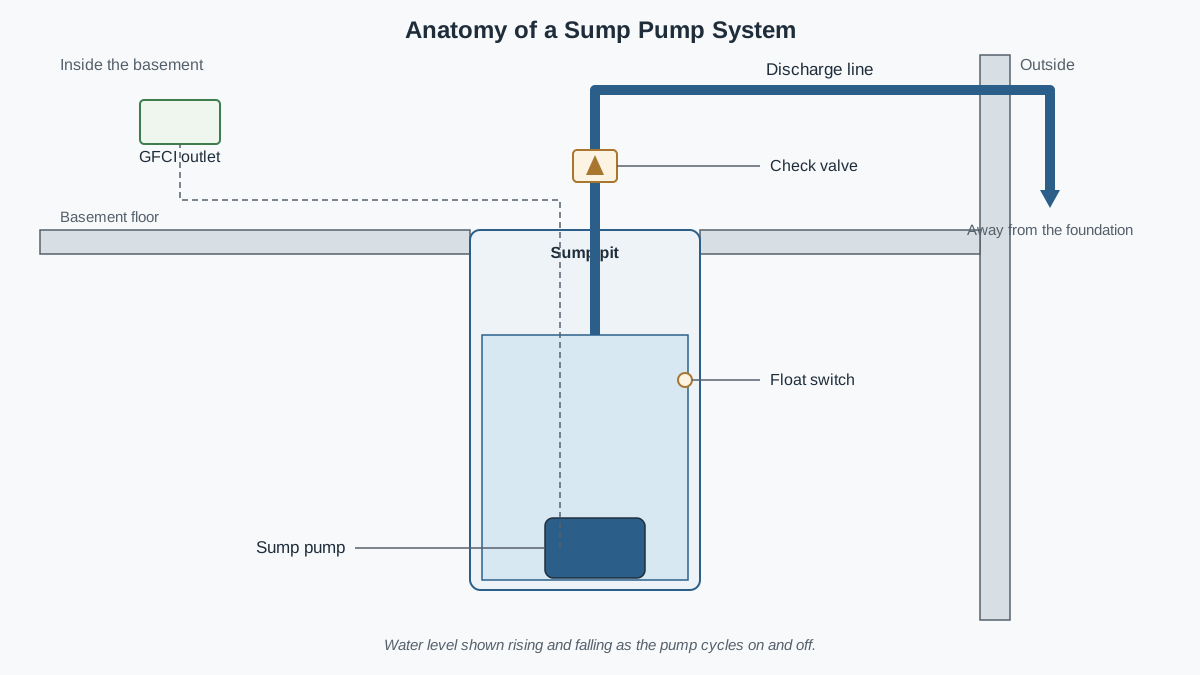
A stuck or failed float switch. The float switch is the small arm or ball that tells the pump when to turn on. Debris, a shifted pit liner, or a worn switch can leave the pump sitting idle while the water rises around it.
A clogged or frozen discharge line. The discharge line carries water away from the house. Ice in January, a collapsed corrugated pipe, or a bird's nest in the outlet can back the whole system up even with a healthy pump.
An undersized or aging pump. A pump sized for an average storm cannot keep up with a 2-inch downpour in an hour. Pumps also wear out after 5 to 10 years of cycling on and off.
A stuck check valve. The check valve stops water in the discharge line from draining back into the pit between cycles. If it fails, the pump re-pumps the same water over and over and eventually can't keep pace with new inflow.
A sump pump overflowing during rain almost always points to inflow outrunning capacity, either because the pump lost power, lost its ability to sense the rising water, or was never sized for that storm. A sump pump that overflows on a dry, calm day is a different animal: that's usually mechanical, a dead switch, a jammed impeller, or a pump that finally gave out after years of quiet service.
The float switch, check valve, and discharge line are the three components most likely to cause an overflow when one of them fails.
The First Signs, and How to Diagnose a Sump Pump Failure Fast
The smell hits before the sight does: wet cardboard, wet concrete, a mustiness that wasn't there yesterday. If you catch it early, a two-minute check tells you whether this is a sump pump failure you can fix in the next fifteen minutes or one that needs a wet vac and a phone call right now.
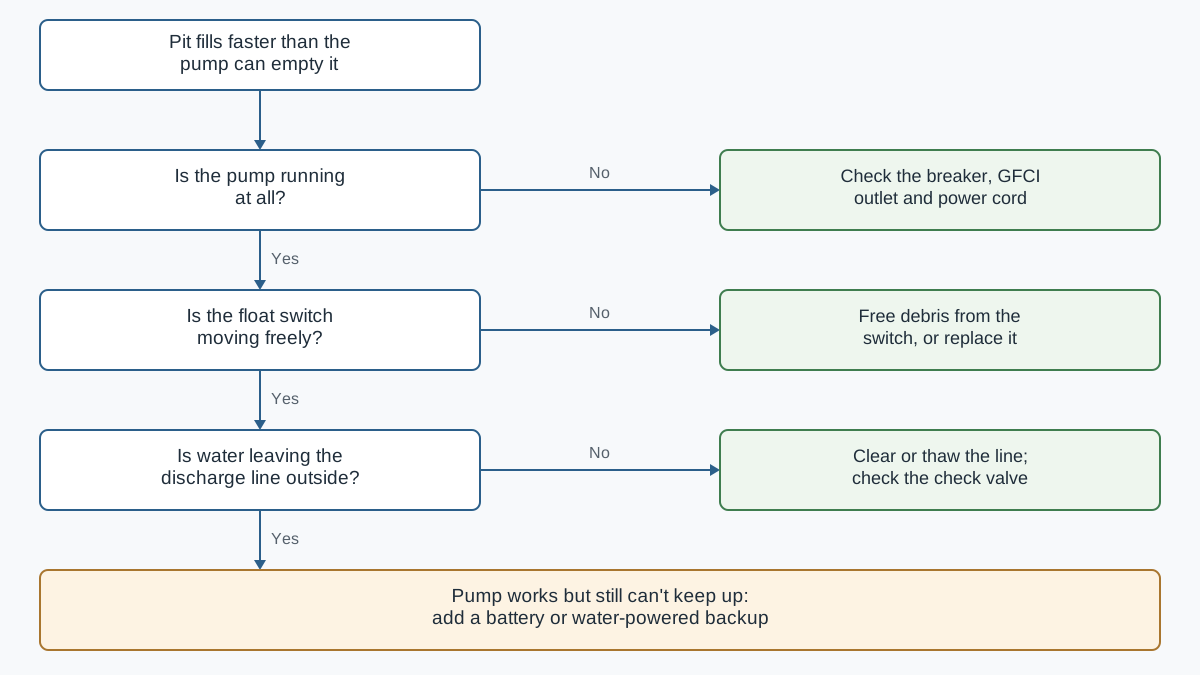
Work through power, the float switch, and the discharge line, in that order, to find the cause fast.
Look and listen at the pit. Is the pump humming and moving water, or silent?
If it's silent, check the breaker panel and any GFCI outlet (the reset-button outlet common in basements and garages) in the circuit before touching the pump itself.
If it has power but isn't cycling, watch the float switch through a few inches of water. It should rise and fall freely; if it's wedged against the pit wall or a stack of old boxes, that's your answer.
Step outside and look at the discharge line where it exits the house. Is water actually leaving the pipe? A frozen or crushed line can leave the pump running hard with nowhere to send the water.
If none of that explains it, a sump pump not working at full capacity may just be outmatched: too small for the volume of water coming in, or worn out after years of service.
Write down what you find. If a restoration crew or a plumber ends up involved, telling them "the pump runs but the line outside is bone dry" saves a diagnostic trip.
What to Do in the Next 15 Minutes
Before you diagnose anything, handle safety and stop the spread:
Cut power to anything sitting in or near standing water; if the panel itself is wet, leave it and call an electrician instead of reaching for it.
Move what you can save, boxes, electronics, furniture legs off the wet floor, before they wick up more water.
Start pulling water out with a wet vac (a shop vacuum rated for water pickup), buckets, or a portable pump if the sump pump itself is down.
Check the discharge line and float switch using the steps above; a five-minute fix can stop the problem at the source.
If the water is still coming in and you can't get the pump moving again, call 888-407-9931 and describe what you see: how deep the water is, how fast it's rising, and whether it looks clean or discolored. A water damage restoration company that serves your area can walk you through what to do while a crew is on the way.
If the water backing up through the pit smells foul, looks gray or black, or is coming from a combination sump and sewage ejector pit, treat it as contaminated: don't touch it, run a shop vac through it, or let kids or pets near it, and call a restoration crew instead of tackling it yourself.
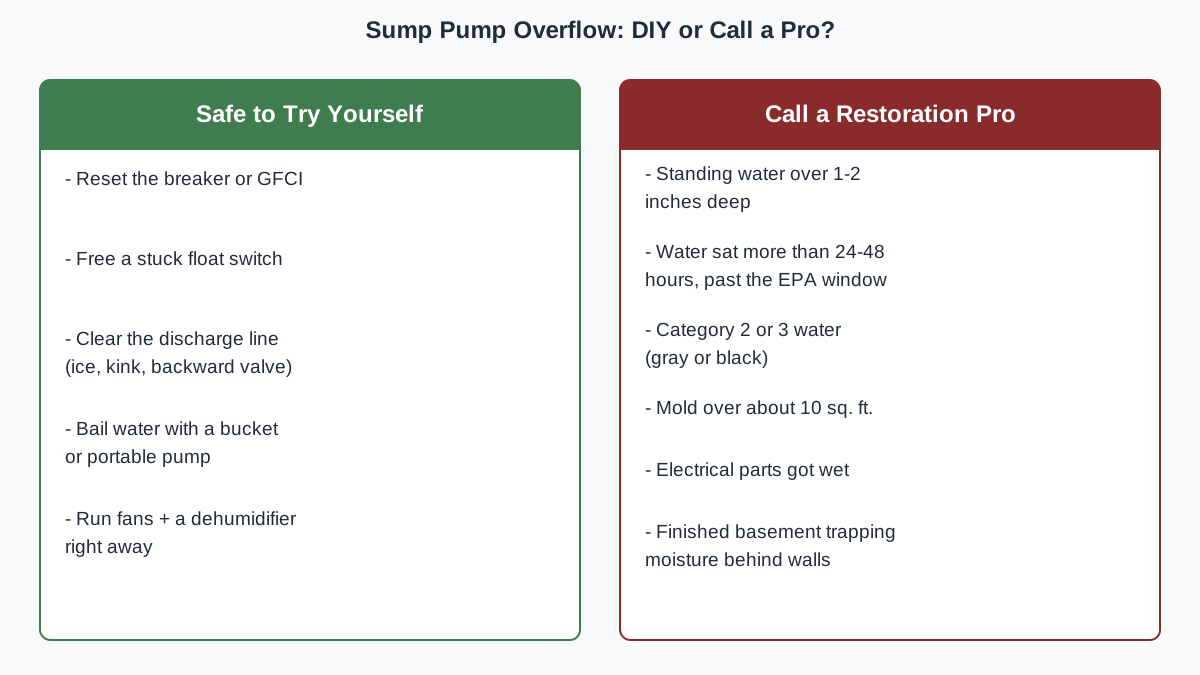
Plenty of sump pump overflows resolve with tools already in the garage. Here's what's realistic to handle yourself:
Reset the breaker or GFCI and see if the pump restarts; a tripped circuit is the single most common fix.
Free the float switch by hand, clearing debris or repositioning it so it swings without catching on the pit wall or a discharge pipe.
Clear the discharge line outside: check for ice, a kinked hose, or a check valve installed backward.
Bail manually with a bucket or a portable utility pump if the primary pump is dead and you're waiting on a part or a plumber.
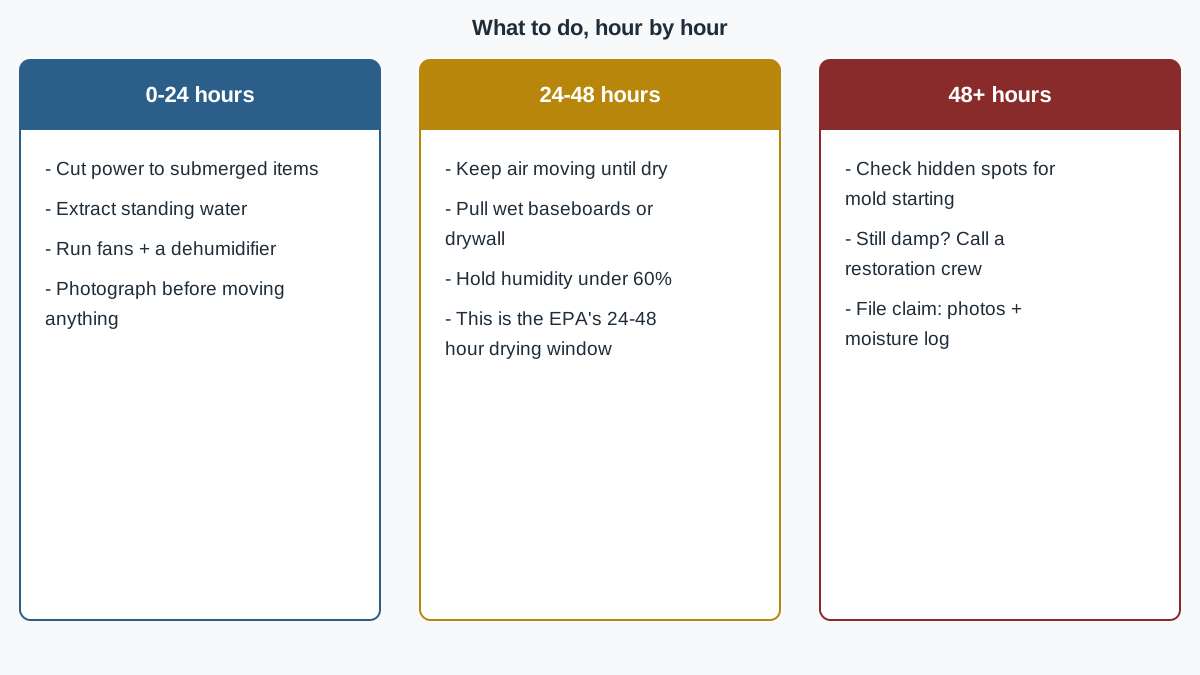
Start drying immediately. Open windows if the air outside is drier, run fans and a dehumidifier, and pull up anything sitting in standing water.
The EPA's 24-48 hour drying window is the deadline that matters most for keeping mold out.
The drying window matters more than most homeowners realize. The EPA recommends drying water-damaged materials within 24 to 48 hours to keep mold from taking hold, and keeping indoor humidity under 60 percent, ideally between 30 and 50 percent, while the space dries out. If carpet, drywall, or insulation is still damp after two full days of fans and a dehumidifier running, it's past what a DIY setup can dry safely. For the fuller version of this process, see how to dry out water damage yourself, and when you shouldn't.
When a Sump Pump Overflow Stops Being a DIY Job
A few signals mean this has moved past what a wet vac and a box fan can fix:
Standing water more than 1 to 2 inches deep, especially if it reached drywall, insulation, or a finished floor.
Water that sat more than 24 to 48 hours before you caught it, which puts you past the EPA's safe drying window.
Category 2 or 3 water, meaning anything beyond clean supply-line water: gray water from appliances, or black water, contaminated water from a sewage ejector pit or backed-up drain.
Visible mold covering more than about 10 sq. ft., roughly a 3-by-3-foot patch, which the EPA puts past what a homeowner should clean without professional containment. Stop, don't disturb it, and call a restoration crew.
Electrical components near or in the water: a furnace, water heater, or outlet that got wet.
A finished basement with baseboards, drywall, or flooring that traps moisture behind it where you can't see or measure it.
None of these are complicated to spot. The harder call is the gray area: a few gallons, caught fast, in an unfinished space. If a moisture meter, or your best guess after two days of fans, says the area is dry, you likely handled it. If you're still guessing, a restoration company's moisture reading is worth the call.
The EPA's 24-48 hour drying window and 10-square-foot mold threshold are the clearest lines between a DIY fix and a call for help.
What a Sump Pump Overflow Actually Costs to Fix and Clean Up
Costs split into two buckets: fixing or replacing the pump itself, and cleaning up whatever water got out. Here's what national cost surveys report for each, with the source that published the number:
Job
Typical range
What moves the price
Source
New sump pump, installed
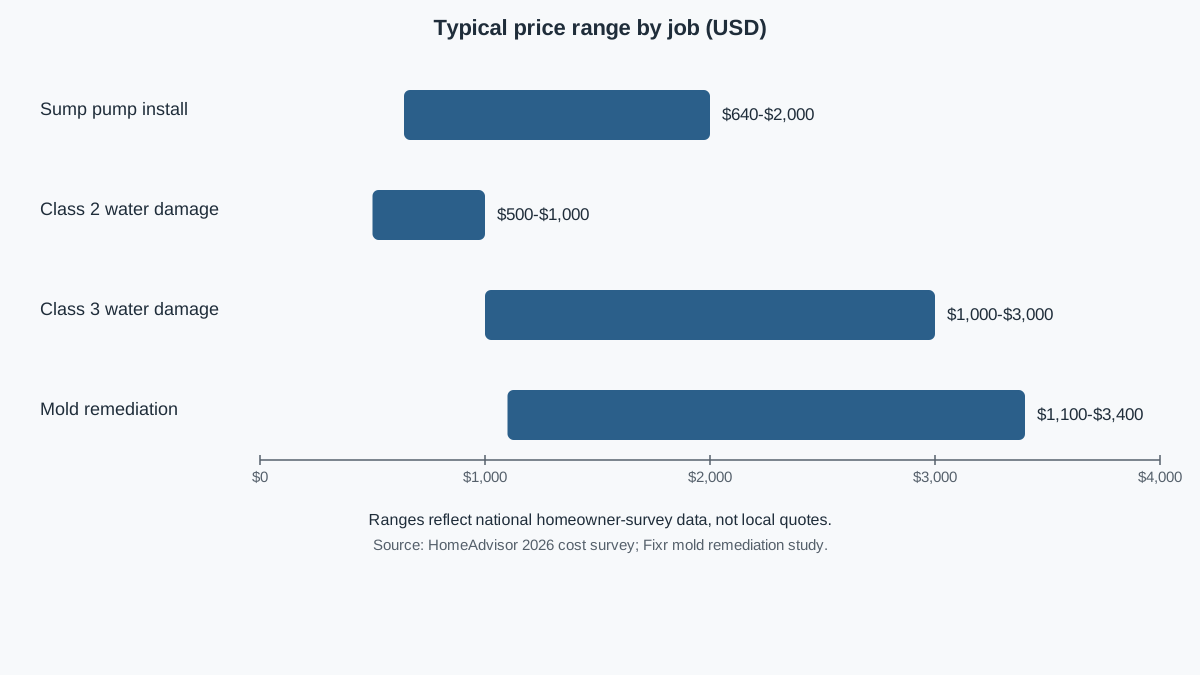
$640-$2,000 (avg. $1,200)
Pedestal vs. submersible, horsepower, pit condition, discharge line length
HomeAdvisor, 2026
Clean-water extraction and drying (Category 1)
about $3.50 per sq. ft. (other surveys report $3-$4.25)
Square footage, how fast a crew starts, flooring type
HomeAdvisor; Fixr; Bob Vila
Class 2 damage (water wicked into carpet, pad, some drywall)
$500-$1,000
How far water traveled up the walls, how long it sat
HomeAdvisor
Class 3 damage (saturation across most of the room)
$1,000-$3,000
Ceiling and wall saturation, amount of material removed
HomeAdvisor
Basement water damage repair, all-in
$500-$80,000
Finish level, structural repairs, how long the basement sat wet
HomeAdvisor
Mold remediation, if it gets that far
$1,100-$3,400 (avg. $2,225), up to $9,000 for larger jobs
Square footage affected, containment needed, whether HVAC is involved
HomeAdvisor; Fixr
Contaminated water (combination sewage ejector pit)
commonly $2,000-$3,000 for a single room, up to $7,000 or more
Contamination level, how much material has to be removed and disposed of
HomeGuide
National survey ranges by job type; a local written estimate is the only number that reflects your actual job.
How we got these numbers: these are national homeowner-survey ranges, not local quotes. None of the underlying surveys break out pricing by state or metro, so treat them as a starting point for what's reasonable, not a quote. A written estimate from a local company that has actually seen the water is the only number that reflects your specific job, your region's labor rates, and how long the water sat before anyone found it. For the fuller cost breakdown across every water damage job type, see our water damage restoration cost guide.
Insurance, Sump Pump Failure Coverage, and What Gets Denied
Here's the part that surprises most homeowners: a standard HO-3 policy typically does not cover water that backs up through a drain, sewer, or sump pump backup system on its own. You need a specific water backup endorsement, often labeled water backup or sump pump failure insurance, added to the policy before the loss happens. Search interest in water backup sump pump overflow coverage spikes every spring for exactly this reason: people find out what their policy excludes after the water is already on the floor.
Some context on how often this happens and how much it costs when it does. Water damage and freezing caused 27.6 percent of homeowners insurance losses in 2022, more than any category except wind and hail, according to the Insurance Information Institute, citing ISO, a Verisk Analytics business. The average water-damage-and-freezing claim ran $13,954, with a claim frequency of about 1.6 per 100 house-years. And the math on speed is stark: FEMA estimates that just one inch of standing water can cause roughly $25,000 in damage, part of why the first hour matters as much as the cleanup crew you eventually hire.
If you're filing a claim, document before you clean:
Photograph and video the standing water and everything it touched, before you move anything.
Keep receipts for emergency mitigation, a wet vac rental, a fan, a hotel night if the basement is unlivable.
Write down when you first noticed the water and what you did in the first hour.
Ask the adjuster in writing whether your policy has the water backup or sump pump endorsement, and if not, what the general water damage terms of your HO-3 cover.
If the payout feels short of the actual damage, a public adjuster, paid a percentage of the claim, can negotiate on your behalf, separate from the adjuster the insurance company sends.
How to Choose a Restoration Company After a Sump Pump Overflow
Once the immediate crisis is handled, hiring the right crew for cleanup and repair matters as much as the emergency response. A few things worth checking before you sign anything:
IICRC training. Ask whether the technicians hold current certification under the ANSI/IICRC S500 water damage restoration standard (Fifth Edition, 2021), and S520 (Fourth Edition, 2024) if mold shows up. It's the industry standard for how extraction, drying, and monitoring should be done.
Proof of insurance, specifically general liability and workers' comp, before anyone starts equipment in your home.
A written scope and estimate before work starts: what's being extracted, how many drying days are planned, and what daily equipment monitoring looks like.
State contractor or mold licensing, where your state requires it; check your state's licensing board directly rather than taking a company's word for it.
Red flags: a crew that wants payment in full before starting, no written estimate, or pressure to sign an insurance assignment you haven't read.
If you're still assessing the situation and need to reach someone, 888-407-9931 connects you with a restoration company that serves your area; describe the water, how long it's been sitting, and whether it's clean or contaminated so they can send the right equipment the first time. For a deeper checklist on vetting companies, questions to ask, and what a legitimate estimate includes, see how to choose a water damage company, and spot the ones to avoid.
How to Stop the Next Sump Pump Overflow Before It Starts
Prevention here is mostly mechanical, and most of it is inexpensive compared to a repeat cleanup:
Backup option
Runs during a power outage?
Typical runtime
Best fit
Battery backup pump
Yes
Hours, depending on battery size and how hard the primary pump is working
Most homes; buy the largest battery your budget allows
Water-powered backup pump
Yes, uses municipal water pressure instead of electricity
Runs as long as water pressure holds
Homes on municipal water with steady pressure; not an option on a well
Portable or standby generator with a transfer switch
Yes
As long as fuel lasts, or continuously if it's natural-gas standby
Homes that lose power often or for multi-day stretches
Water alarm
No, it only alerts you
Not applicable
A cheap add-on to any of the above, never a substitute
Beyond backup power, a short annual maintenance list keeps most sump pump overflow calls from happening at all: test the pump quarterly by pouring a few gallons into the pit and watching it cycle, clean debris out of the pit and the intake screen once a year, extend the discharge line at least ten feet from the foundation so it doesn't just recirculate, and replace a pump that's five or more years old before it fails during the next storm rather than during it. Homes prone to a high water table or repeat basement moisture may also need basement waterproofing beyond the pump itself, interior drainage, exterior grading, or a vapor barrier, to reduce how much water reaches the pit in the first place.
Freeze Belt, Hurricane Coast, and Everywhere In Between
Where you live changes which failure mode to plan for first.
Freeze belt (Upper Midwest, Northeast, Rockies): the sump pump overflow pipe outside the house is the weak point. Ice can seal it shut in minutes once standing water inside the pipe drops to 32°F and turns solid, even with a perfectly healthy pump inside. A freeze-relief fitting, a short weep hole drilled into the discharge pipe above ground, gives water somewhere to go if the main line ices over.
Hurricane and heavy-rain coast (Gulf and Atlantic states): extended power outages during and after a storm are the bigger risk here, more than the pump itself failing. A water-powered backup or a generator matters more in these areas than pump horsepower.
High water table and clay soil regions: pumps cycle constantly and wear out faster; a second pump as a true backup, not just an alarm, earns its cost sooner than in a home with dry, sandy soil.
None of this is flood insurance territory in the traditional sense. A sump pump overflow is generally treated as water backup, not flood, even in a home in a mapped flood zone, which is exactly why the endorsement discussed above matters regardless of where you live.
Frequently asked questions
Can a sump pump overflow?+
Yes. A sump pump overflows when water enters the pit faster than the pump can remove it, whether that's from a power outage, a stuck float switch, a frozen discharge line, or a storm that's simply too heavy for the pump's capacity. It can happen with a brand-new pump if the power goes out, and it can happen on a calm day if the switch or discharge line fails mechanically.
Why does a sump pump overflow?+
Most overflows come down to inflow outrunning capacity: a power outage stops the pump entirely, a jammed float switch keeps it from turning on, or a frozen or clogged discharge line backs the whole system up even while the pump runs. Less often, the pump itself is undersized for the storm or has simply worn out after years of cycling. Checking power, the float switch, and the discharge line, in that order, finds the cause in most cases.
How do I stop a sump pump from overflowing?+
Start by cutting power to anything submerged, then check whether the pump has power, whether the float switch moves freely, and whether water is actually leaving the discharge line outside. If the pump is dead, bail manually with a bucket or a portable pump while you wait on a repair. Longer term, add a battery or water-powered backup so a power outage alone can't cause the next overflow.
What should I do when a sump pump overflows?+
Cut power to anything sitting in the water, move what you can save off the floor, and start extracting standing water with a wet vac or buckets. Check the breaker, float switch, and discharge line for a quick fix. If the water keeps rising, is contaminated, or has been standing more than a day, call a restoration company rather than continuing to handle it with fans and a shop vac alone.
How can I prevent a sump pump overflow?+
Add a battery or water-powered backup pump so a power outage doesn't leave the pit unpumped, test the primary pump quarterly, and clear debris from the pit and intake screen once a year. Extend the discharge line at least ten feet from the foundation so water doesn't recirculate, and replace a pump once it's five or more years old rather than waiting for it to fail mid-storm.
What causes a sump pump to overflow?+
In order of how often it happens: a power outage, a stuck or failed float switch, a clogged or frozen discharge line, an undersized or worn-out pump, and a stuck check valve that lets pumped water drain back into the pit. Most calls trace back to the first two causes, which are also the fastest to check and, often, the fastest to fix without calling anyone.
What does sump pump insurance cover?+
A standard homeowners policy typically excludes water backup and sump pump failure unless you've added a specific endorsement for it, sometimes called water backup or sump overflow coverage. When that endorsement is in place, it generally covers the cleanup and repair costs tied to the overflow itself. It doesn't cover the pump's mechanical failure the way a home warranty might, and it's separate from flood insurance, which covers a different kind of water entirely.
How long before a sump pump overflows during a power outage?+
That depends entirely on how much water is entering the pit and how deep the pit is; there's no fixed number, since a slow winter drip might take days while a heavy spring storm can fill a pit in under an hour. What matters more than the clock is whether you have a battery or water-powered backup ready to take over the moment the primary pump loses power.
How do I fix an overflowing sump pump?+
Check power first: a tripped breaker or GFCI is the single most common fix. If it has power but isn't cycling, free the float switch by hand so it moves without catching on the pit wall. Then check the discharge line outside for ice or a clog, since a healthy pump can't overcome a blocked exit. If none of that resolves it, the pump itself likely needs replacing.
Will a sump pump pit overflow during a long power outage?+
It can, especially if groundwater keeps entering the pit the entire time the power is out and there's no backup pumping in place. A battery backup buys hours; a water-powered backup can run as long as municipal water pressure holds, which makes it the better choice for outages that stretch past a day. Without either, a manual bucket bail-out is the only thing standing between the pit and the floor.