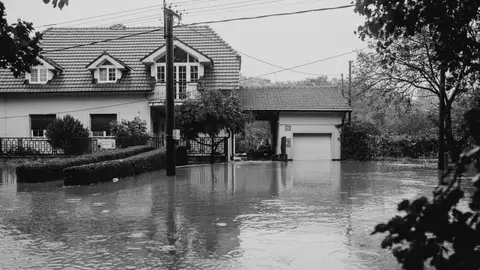
Storm damage restoration means stopping active water intrusion, drying the structure within the first 24 to 48 hours, and repairing what wind, hail, or flooding tore open. Homeowners nationally spend $1,383 to $6,369 on the water-damage portion of a storm claim, with wind and hail responsible for roughly four in ten homeowners insurance claims each year, according to industry data.
A storm doesn't wait for a good time. One afternoon a cold front rolls a line of thunderstorms across the plains, or a hurricane stalls off the coast for two days, and by the next morning you're standing in a living room with a wet ceiling, a missing section of shingles, or six inches of water in the basement. Storm damage restoration is the combined work of stopping that water, drying the structure before mold sets in, and repairing whatever the wind, hail, or flooding tore open. Insurance data backs up how common this is: wind and hail alone accounted for 40.7 percent of homeowners insurance losses in 2022, and water damage and freezing made up another 27.6 percent, according to the Insurance Information Institute. Put those two together and storms, directly or indirectly, drive most of what homeowners insurance actually pays out in a given year.
This guide walks through what actually causes storm damage, how to assess it room by room without making anything worse, which fixes you can handle yourself and which ones need a licensed water damage restoration company, what the repair realistically costs, how insurance claims work under a standard homeowners policy, and how the picture changes across regions: the hurricane coast, tornado alley, and places that get ice storms every February. None of the advice here assumes you already know the difference between a Category 2 water intrusion and a Category 3 one — that gets explained along the way.
What Actually Counts as Storm Damage
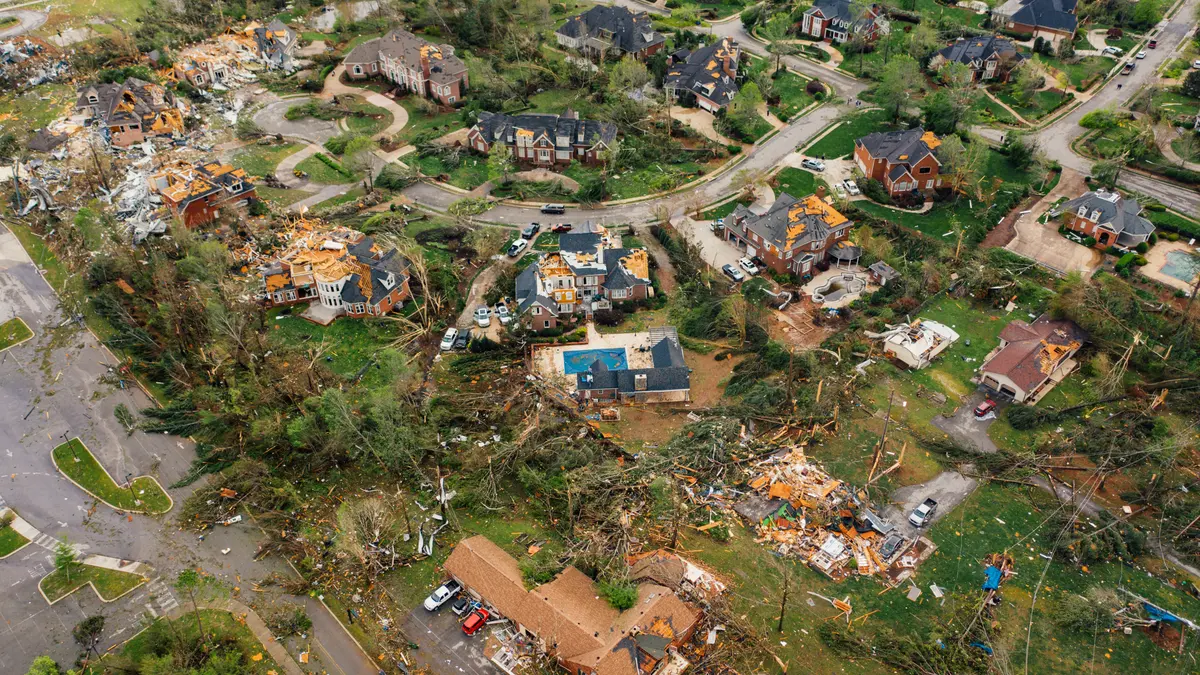
"Storm damage" covers a wider range of problems than most people expect. It includes obvious things: a tree limb through the roof, hail that cracks skylights, a flooded street that backs water into a garage. It also includes damage that's easy to miss for weeks: shingles lifted just enough to let water track down a rafter, or a window seal that failed during a windstorm and let in a slow trickle of rain nobody noticed until the drywall started to bow. Wind, hail, lightning, and flooding are the four big categories insurance adjusters use to sort a storm claim, and each one triggers a different repair path.
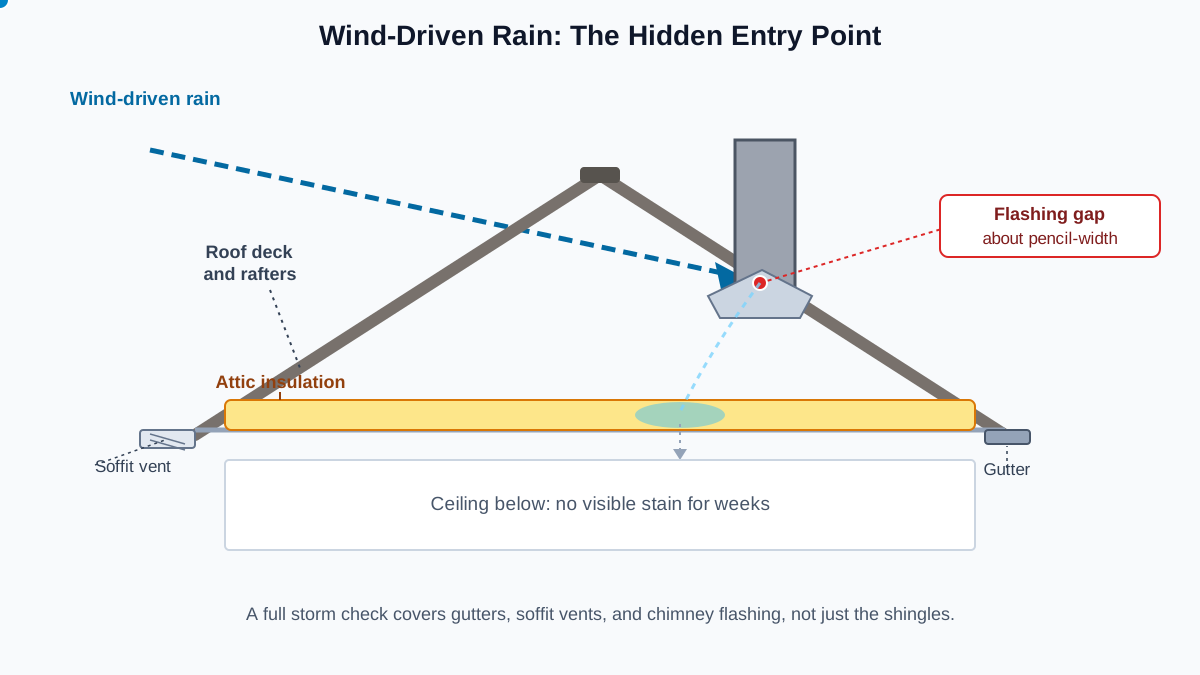
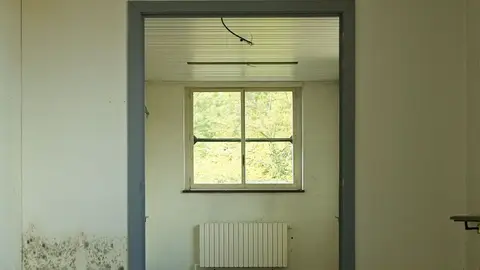
The most common entry point isn't a hole in the roof. It's wind-driven rain — rain pushed sideways with enough force to get past flashing, siding laps, and window trim that would normally shed water just fine. A roof can look untouched after a storm and still have let gallons of water into the attic through a gap the size of a pencil. That's why a full storm inspection checks gutters, soffit vents, and chimney flashing, not just the shingles, along with every window and door facing the direction the wind came from.
Wind-driven rain finding a gap in flashing or trim is the single most common cause of storm damage, and it can enter through a gap the size of a pencil.
What Actually Causes Storm Damage, Ranked by How Often It Happens
Not every storm cause is equally common, and knowing which one you're dealing with tells you where to start looking.
Wind-driven rain finding a gap in flashing or trim is the single most frequent cause, and the hardest to spot right away — the roof and siding can look intact from the ground while water is already inside.
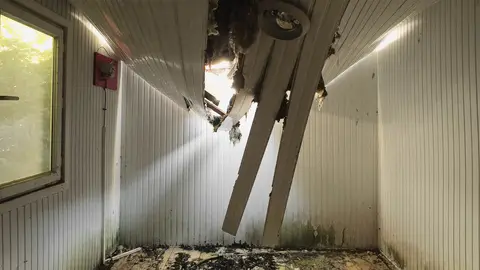
Roof and shingle failure follows close behind: wind lift, hail bruising, or a tree limb strike that opens the roof deck directly to the weather.
Downed trees and limbs cause the third most common damage, especially in neighborhoods with mature trees close to the house, and the risk climbs once the ground has already saturated from days of rain and root systems start to loosen.
Power loss during the storm knocks out the sump pump, and that alone is one of the most common reasons a basement floods during a storm that otherwise wouldn't have caused a problem.
Flash flooding or storm surge shows up less often than the causes above, but it produces the most expensive individual claims, since it hits an entire structure at once instead of one entry point.
Lightning-related fire or electrical damage is the rarest of the six, though it can trigger sprinkler activation or firefighting water that causes its own secondary water damage.
Two of these compound each other more often than people expect: a wind-damaged roof that goes untarped through the next round of rain can turn a Class 1 leak into a Class 3 or Class 4 saturation problem within a single additional storm.
How to Assess Storm Damage Without Making It Worse
Work through the property in the same order every time, so you don't miss anything and you don't walk through standing water before you know it's safe.
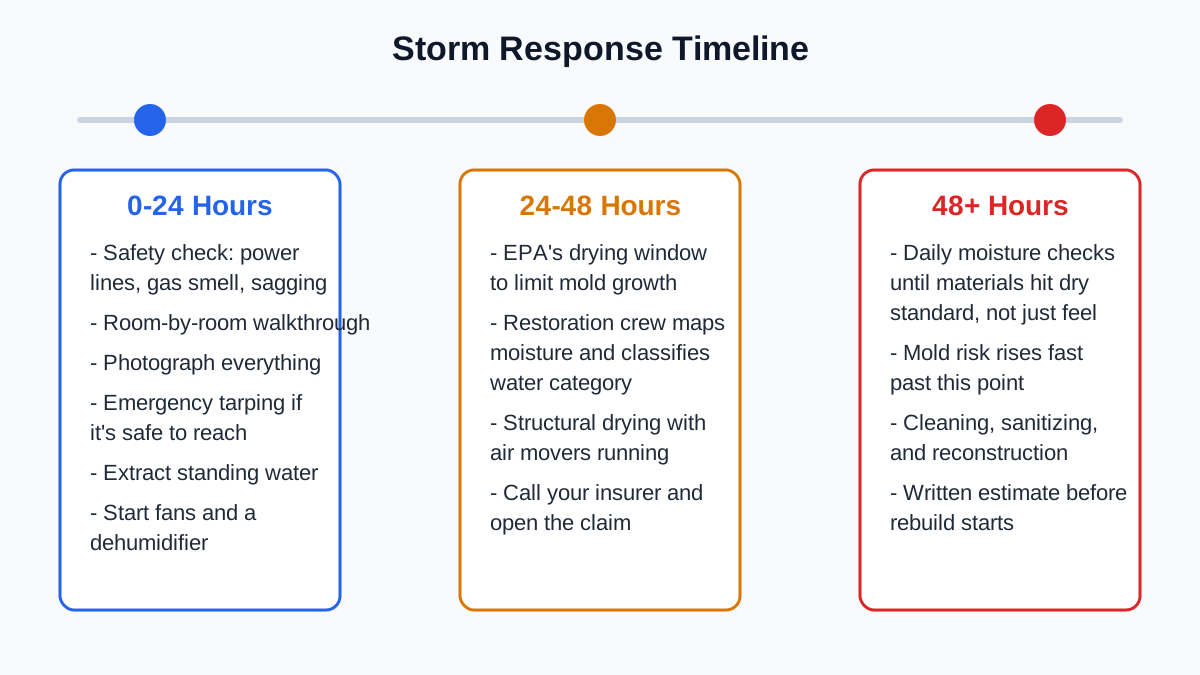
What to do in the first 24 hours, the 24-48 hour drying window, and what follows after (EPA mold guidance).
Check for downed power lines, a gas smell, or structural sagging before you go near the house. Any of those means stop where you are, get everyone clear of the house, and call 911 or your utility company before you do anything else.
Walk the exterior: roofline, gutters, siding, and every window and door on the storm's windward side, meaning whichever side the wind and rain actually hit. Photograph anything that looks disturbed, even if it seems minor.
Check the attic with a flashlight for wet insulation, dark streaking on the rafters, or daylight coming through where it shouldn't.
Look at every ceiling and upper-wall corner in the house for a new stain, a soft spot, or bubbling paint.
Check the basement or crawl space last, and only if there's no standing water touching an outlet, panel, or extension cord.
Test major appliances and the electrical panel before restoring power to anything that got wet — a licensed electrician should sign off first if water reached outlets or the panel itself.
Photograph and log everything before you move or discard a single item; insurance adjusters and public adjusters both rely on that early documentation.
If water is still finding its way in by the time you reach this step, call 888-407-9931 and walk the dispatcher through what you're looking at — a restoration company that serves your area can start planning the drying job over the phone while a crew is on the way.
First Fixes You Can Do Yourself
Emergency tarping is usually the first physical fix, and it's the one most homeowners can safely handle for a small, reachable roof breach: a heavy tarp, weighted at the edges and run past the damaged area on all sides, buys time until a roofer can do a permanent repair. Stay off a wet or steep roof — if reaching the breach means a ladder past the eaves or a pitch steeper than you'd walk comfortably, that's a fall risk for a roofer with harness gear, not a homeowner improvising in the rain. Beyond tarping, the DIY list is shorter than most people assume.
What's reasonable to do yourself: move furniture and belongings off wet flooring, run a wet vac on standing water, and get air moving with box fans and a dehumidifier as fast as possible. The US EPA recommends drying water-damaged materials within 24 to 48 hours to keep mold from establishing, and its guidance treats anything under roughly 10 square feet — about a 3-foot by 3-foot patch — as small enough for a homeowner to clean up without a specialist, provided the water itself is clean.
What's not reasonable to do yourself: anything involving Category 3 water (sewage backup, floodwater, or water that's been sitting more than 48 hours), any drywall or insulation that's been wet more than two days, or any electrical component that got wet. Never step into standing water near an outlet, appliance cord, or electrical panel, and stay away from any pooled water anywhere near a downed power line until the utility company confirms the area is safe. That single rule causes more storm-related injuries when it's ignored than almost anything else on this list.
What a Storm Damage Restoration Company Actually Does
A licensed water damage restoration company follows a version of the same sequence outlined in the IICRC S500 standard, whether the water came from a burst pipe or a hurricane. First comes inspection and moisture mapping: a technician uses a moisture meter and often a thermal camera to find water that's traveled beyond what's visible, then classifies it by category — Category 1 clean water, Category 2 "gray" water with some contamination, or Category 3 water that's grossly contaminated, such as floodwater or sewage backup. That classification drives everything else: protective equipment, what materials can be dried versus what has to be removed, and how the job gets billed.
After classification comes extraction, then structural drying with commercial air movers and dehumidifiers running around the clock, with the crew tracking moisture readings daily until the materials hit a dry standard rather than just a dry feeling. Only after that does cleaning, sanitizing, and reconstruction start. A good storm damage repair crew documents every step with photos and moisture logs; a crew that skips straight to reconstruction without documented drying numbers is one you should be wary of, since trapped moisture behind new drywall is exactly how a storm claim turns into a mold claim six months later.
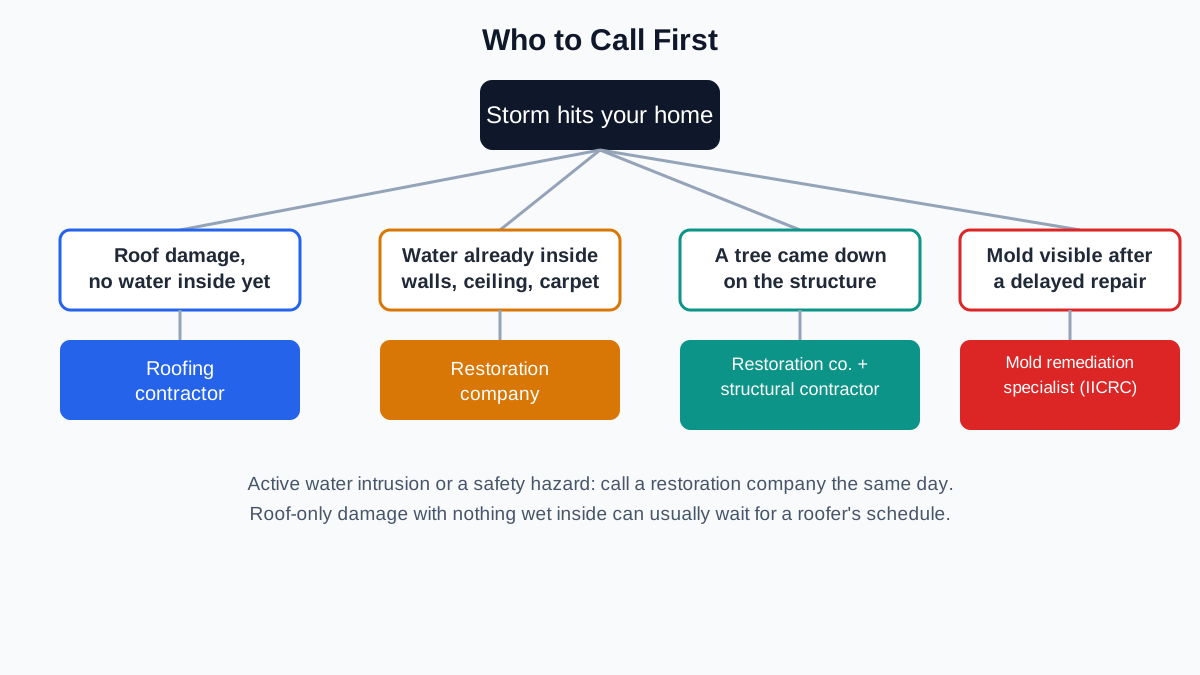
Who to call first depends on whether water is already inside, and how severe the structural damage is.
What happened
Who to call first
Why
Roof leak or missing shingles, no interior water yet
A licensed roofing contractor
Stops water at the source before it becomes a restoration job at all
Wind-driven rain already inside walls, ceiling, or carpet
An IICRC-certified restoration company
Extraction and structural drying need to start inside the EPA's 24-48 hour window
Flooded basement or crawl space from heavy rain
Restoration company and your insurer's claims line, same day
The water's category often shifts once it's been sitting, which changes the whole scope
A tree came down on the structure
Restoration company plus a structural or general contractor
Stabilizing and tarping comes first; remediation and rebuild come second
Visible mold after a delayed repair
An IICRC-certified mold remediation specialist
EPA guidance limits do-it-yourself cleanup to about 10 square feet
When you're picking a company, don't just take their word for it: verify their state contractor or restoration license is active with your state's contractor licensing board, and confirm their liability insurance is currently in force, not just ask to see a card. Ask for IICRC certification for the technician who'll actually be on site, not just the office. A legitimate estimate is written, itemized by room and task, and states the drying equipment count and expected days on-site rather than a single lump number. Be cautious of anyone who showed up unsolicited right after the storm, wants full payment up front, or won't give you a local address. For a broader walkthrough of the water damage restoration process and a dedicated breakdown of how to vet a contractor, see how to choose a water damage company. If your search is turning up mostly out-of-state ad results, calling 888-407-9931 connects you with a restoration company that serves your area.
What Storm Damage Restoration Costs
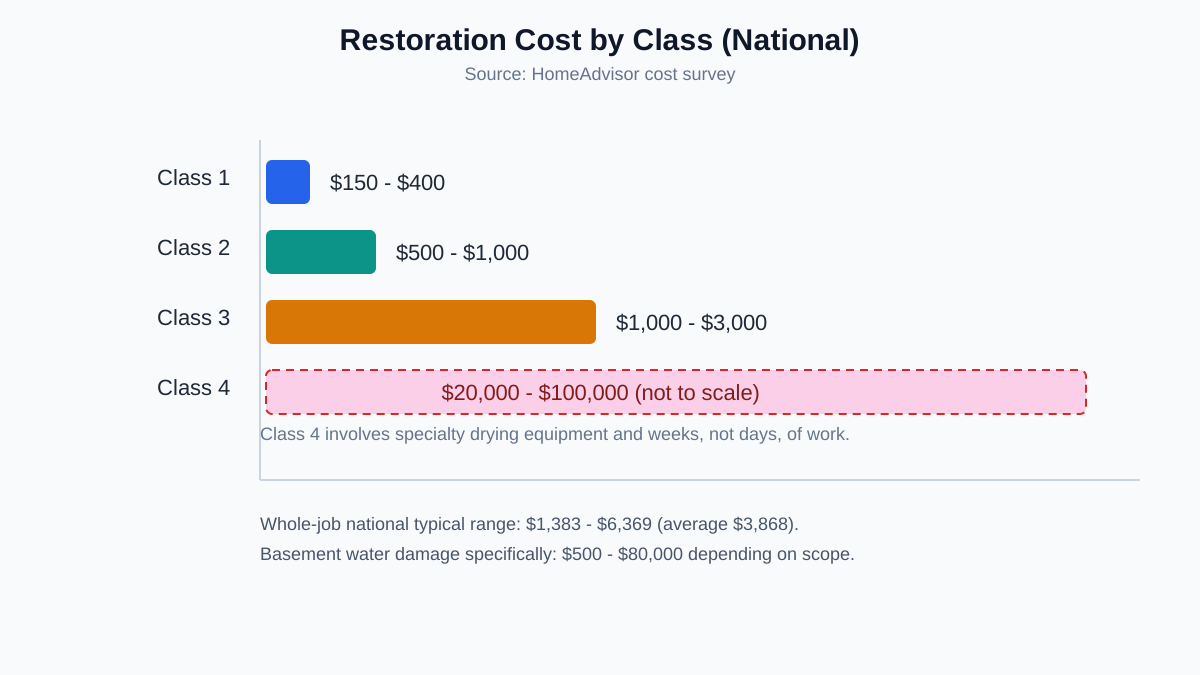
Costs vary enormously by category and class, and the numbers below are researched ranges pulled from published cost surveys — not a quote for your job. Final pricing varies by region, how accessible the damaged area is, and how much worse the damage turns out to be once a crew opens up a wall or pulls flooring. Get a written estimate, itemized by room and task, from a contractor who's actually seen the job — that's the only number that's binding, not the average below.
National cost ranges by water damage class, HomeAdvisor cost survey.
Job or scope
Typical range
What moves the price
Source
Class 1 (minimal wet materials, fast response)
$150 - $400
Square footage affected and how fast drying started
HomeAdvisor
Class 2 (water wicked into walls and carpet)
$500 - $1,000
How far water traveled up walls and under flooring
HomeAdvisor
Class 3 (water from overhead, saturated structure)
$1,000 - $3,000
Ceiling, wall, and insulation replacement, not just drying
HomeAdvisor
Class 4 (deep saturation into wood, concrete, plaster)
$20,000 - $100,000
Specialty drying equipment and extended drying time
HomeAdvisor
Typical whole-job national range
$1,383 - $6,369 (avg $3,868)
Category of water, square footage, and how long it sat before cleanup started
HomeAdvisor
Basement water damage specifically
$500 - $80,000
Finished vs. unfinished space and depth of standing water
HomeAdvisor
Mold remediation, if delayed drying let it start
$1,100 - $3,400 (avg $2,225)
Square footage affected and whether HVAC is involved
HomeAdvisor
Emergency after-hours service call
$50 - $200
Time of day, distance, and local demand right after a storm
Bob Vila
Roof, siding, fence, and other purely structural storm repairs aren't in the water-damage cost data above, and pricing them accurately depends on local material and labor costs that vary by region. There's no honest national number to give you for that part of the job, so treat any flat quote you get over the phone before an inspector has seen the roof with some suspicion. A written local estimate, itemized by material and labor, is the only number worth trusting. For a fuller breakdown of how these numbers are built, see the water damage restoration cost guide.
Does Homeowners Insurance Cover Storm Damage?
Most standard homeowners policies (an HO-3, the most common form written in the US) cover wind, hail, and lightning damage to the dwelling itself, plus the sudden water damage that follows when wind opens up the roof or breaks a window. What a standard policy does not cover is flooding — water that rises from the ground, an overflowing river, or storm surge — because that's specifically excluded from homeowners policies and handled instead through the National Flood Insurance Program. FEMA notes that over 40 percent of flood claims come from outside high-risk flood zones, and that just one inch of water can cause roughly $25,000 in damage, which is why "I'm not in a flood zone" is a weak flood-insurance strategy for a lot of homeowners.
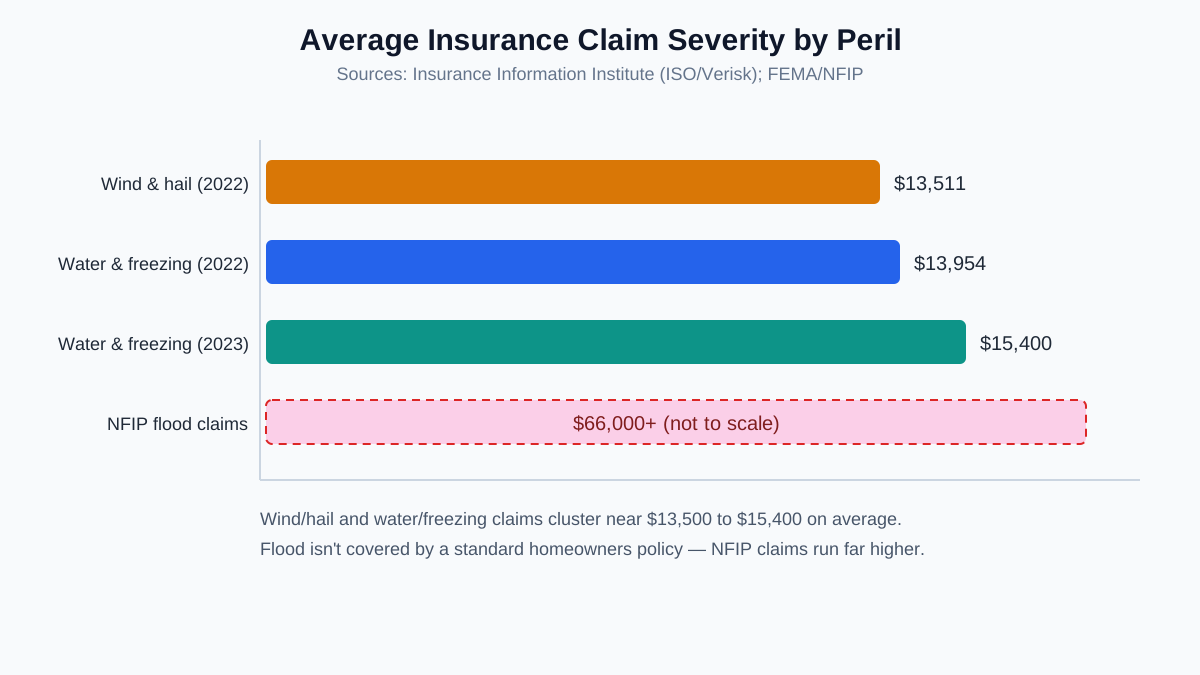
The claim math is worth knowing going in. Water damage and freezing made up 27.6 percent of homeowners insurance claims in 2022, with an average claim severity of $13,954, while wind and hail claims averaged $13,511, according to Insurance Information Institute data citing ISO. A separate analysis found water damage and freezing responsible for 22.6 percent of claims in 2023, affecting about one in every 67 insured homeowners each year, with an average claim of $15,400. On the flood side specifically, NFIP policyholders filed for an average of more than $66,000 per claim between 2016 and 2022, against 4.7 million active policies nationwide.
Before you call your insurer, build a documentation file: date-stamped photos and video of every damaged area, a written inventory of damaged belongings with approximate purchase dates, any weather-service or news record of the storm itself, and copies of every restoration company estimate. Your insurer will send a company adjuster, whose job is to represent the insurance company's interests; on a large or disputed storm damage insurance claim, a public adjuster (who works for you, for a percentage of the settlement) can be worth the cost if the company's initial offer looks low against your documented scope of damage. For the full rundown of what's covered and what typically isn't, see does homeowners insurance cover water damage and water damage insurance claims.
Flood claims run far larger than wind, hail, or water-damage claims on a standard policy, per Insurance Information Institute (ISO/Verisk) and FEMA/NFIP data.
Safety Hazards That Mean Call a Pro Immediately
Some situations don't have a DIY option, and treating them like an ordinary cleanup job is how a storm damage claim turns into a personal injury. Downed power lines anywhere near water, a gas smell of any strength, a ceiling or roof section that's visibly sagging, and any water that's touched a sewage line all mean the same thing: stop, get everyone out, and call 911 or the utility company before anyone goes back inside. Category 3 water — the technical term for grossly contaminated water, which includes sewage backups and most floodwater — carries bacteria and pathogens that make it unsafe to handle without protective equipment, regardless of how confident you feel about cleanup.
Mold is the hazard that shows up latest and gets underestimated most. The EPA's guidance treats mold covering more than roughly 10 square feet as a job for a certified remediation specialist rather than a homeowner with bleach and a scrub brush, partly because scrubbing visible mold without containment can spread spores into the HVAC system and the rest of the house. If it's been more than 48 hours since the water intrusion happened and you're only now smelling something musty, assume mold has already started and plan for a remediation estimate rather than a simple cleaning.
Storm Damage Prevention Before the Next One Hits
Most of what prevents storm damage is boring maintenance done in the calm months, not anything dramatic. Clean gutters and downspouts move water away from the foundation instead of letting it back up under the roofline during heavy rain. A roof inspection before storm season catches lifted shingles and worn flashing while they're a small repair instead of a full replacement. Trimming branches that overhang the roof reduces both direct impact damage and the debris that clogs gutters mid-storm.
Inside the house, a battery or water-powered backup for the sump pump matters more than almost anything else on this list, since power loss during the storm is one of the most common reasons basements flood when the storm itself wasn't even that severe. Sealing obvious gaps around window and door trim cuts down on wind-driven rain damage specifically, and it's a weekend project rather than a contractor job. Finally, build the documentation habit before you need it: photograph each room and major system now, store it somewhere other than the house itself, and you'll have exactly what an adjuster asks for the day after the next storm instead of trying to remember what your kitchen looked like in the dark with a flashlight.
Regional Notes: Hurricane Coast, Tornado Alley, and the Freeze Belt
Storm damage doesn't look the same in every part of the country, and the fixes above apply differently depending on what's actually coming at the house.
Along the Gulf Coast and the Atlantic seaboard, hurricane water damage usually arrives as a combination: wind-driven rain first, then storm surge or inland flooding behind it if the system stalls. Homes here benefit most from impact-rated windows, a documented roof tie-down system, and a flood policy that doesn't depend on whether the county map calls the address high-risk, since a large share of flood claims come from outside those zones. Through the middle of the country, tornado alley's damage pattern is different: short, violent, and hyper-local, where one house loses a roof and the neighbor's is untouched, so a fast structural assessment after any severe warning matters more than long-term hardening.
In the freeze belt, the storm season that causes the most water damage isn't summer at all. Ice storms and heavy snow load stress roofs and gutters, and the thaw that follows a freeze is when ice dams push meltwater back under shingles into the attic. FEMA's National Risk Index rates wind, flood, and winter-weather hazard by county, and it's worth checking your specific address rather than assuming your region's general reputation tells the whole story, since risk can vary block by block near a floodplain or drainage easement.
Frequently asked questions
What should you do first if you have storm damage?+
Check for downed power lines, gas smells, or structural sagging before you go near the house, then move through a room-by-room walkthrough once it's safe. Photograph everything before touching or moving it, since that documentation matters for your insurance claim. If water is actively coming in anywhere, get a tarp on the breach if you can safely reach it, and call a restoration company the same day rather than waiting to see how bad it gets overnight.
What is storm restoration?+
Storm restoration is the process of stopping active water intrusion, drying a structure to industry-standard moisture levels, and repairing what wind, hail, lightning, or flooding damaged. It follows the same IICRC-based framework used for any water damage job: inspection and classification, extraction, structural drying, and finally cleaning and reconstruction. The term covers everything from a small roof leak dried out in a couple of days to a full flood rebuild that takes months.
Are storm damage repairs tax deductible?+
Sometimes, but the rules are narrow: casualty-loss deductions for personal property generally only apply to losses in a federally declared disaster area, and only to the amount not covered by insurance, after specific IRS thresholds are applied. This isn't something to guess at from a home-services page; a tax professional or the IRS's own casualty-loss guidance can tell you whether your specific storm and repair qualify.
How do you document what a storm damaged at your home?+
Photograph and video every affected room and item before you move or discard anything, including wide shots that show the overall scene and close-ups of specific damage. Keep a written list with approximate purchase dates and values for damaged belongings, save every restoration and repair estimate, and note the date and time you first discovered each problem. That file is what your insurance adjuster and, if you need one, a public adjuster will both work from.
What actually causes severe storms?+
Severe storms form when warm, moist air near the ground collides with cooler, drier air aloft, creating the instability that drives strong updrafts, hail formation, and damaging wind. Hurricanes develop separately, over warm ocean water, gathering energy as long as that warm water and low wind shear persist. For the purposes of storm damage restoration, the mechanism matters less than the result: wind, hail, lightning, and flooding, each of which affects a home differently.
Does homeowners insurance cover storm damage?+
Generally yes for wind, hail, and lightning, and for the water damage that follows when wind creates an opening in the roof or a window, since a standard HO-3 policy covers those perils on the dwelling. It typically does not cover flooding, defined as water rising from the ground or a body of water, which requires separate flood insurance through the NFIP or a private flood policy. Read your specific policy's peril list, since some insurers add exclusions for named storms or increase the deductible during hurricane season.
Does car insurance cover storm damage?+
Only if you carry comprehensive coverage, which is optional on most auto policies and typically pays for storm-related damage like hail dents, flooding, or a tree limb falling on the vehicle. Liability-only coverage, which is what state minimum laws usually require, does not pay for storm damage to your own car at all. If your vehicle sat in a flooded area or under a tree during the storm, check your policy's comprehensive coverage before assuming you're covered.
How long does storm damage restoration take?+
A contained leak with fast extraction can dry out in three to five days using commercial air movers and dehumidifiers, while a full basement flood or Class 4 saturation can take several weeks of drying before reconstruction even starts. Reconstruction itself, once drying is complete, ranges from a few days for drywall and paint to months for a full rebuild after major structural or flood damage. Your restoration company should give you a drying-completion estimate, not just a total-project guess.
Can you stay in your home during storm damage restoration?+
Often yes, if the damage is contained to one area, the water is Category 1 or 2, and the drying equipment noise is tolerable. You generally can't stay if Category 3 water was involved, if a large percentage of the living space is affected, if electrical or gas systems are compromised, or if mold remediation with containment barriers is underway. Ask your restoration company directly; they'll assess air quality and structural safety, not just whether the carpet feels dry.
Is emergency tarping covered by insurance?+
Usually yes, as part of the reasonable steps most homeowners policies require you to take after a covered loss to prevent further damage, and many insurers will reimburse a temporary tarp or board-up even before the full claim is settled. Keep the receipt and photograph the tarp once it's in place. It's not a substitute for the permanent roof repair, and waiting too long to move from tarp to repair can create a separate dispute about what damage happened before versus after the storm.